No results. Is a plant missing? Tell uscontact@wikiplant.net
Alternanthera reineckii
Alternanthera reineckii
Care level: Moderate
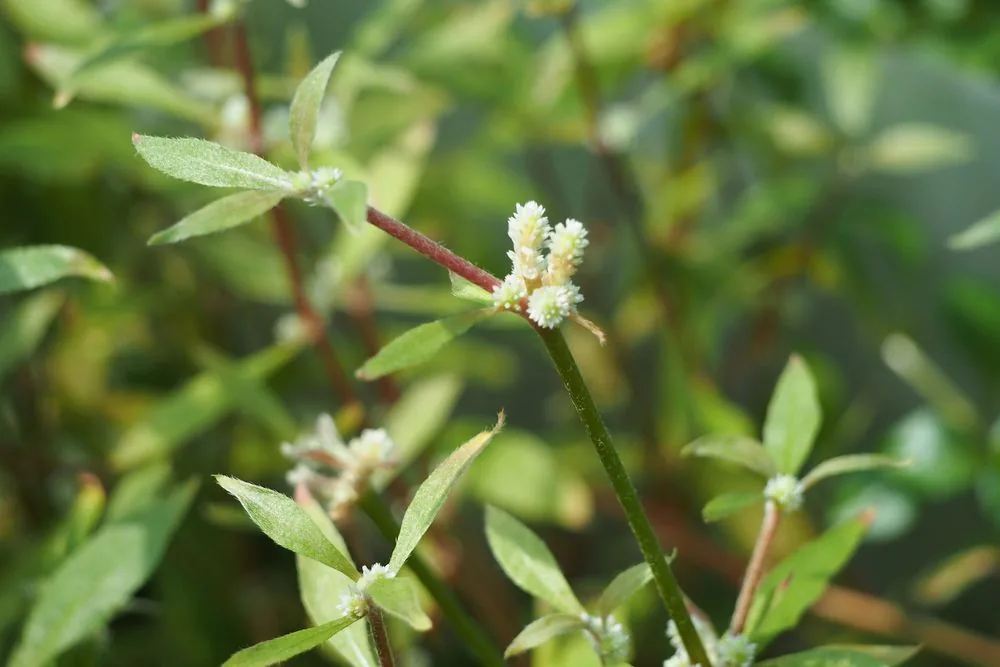
Alternanthera reineckii is a South American stem plant and one of the few reliably red plants for an aquarium. Under water its lance-shaped leaves are olive to reddish on top and pink to deep purple-red underneath, on pinkish stems that reach 25-50cm, so a group makes a strong contrast against the green of most other plants. Grown above water, as nurseries raise it, the same plant is green with small white flowers. It needs good light and benefits from added CO2 and iron; in a dim tank it survives but turns green-brown and sheds its lower leaves.
Medium to strong light. Stronger light gives redder leaves.
Water
Ordinary tropical freshwater. Added CO2 and an iron-containing fertiliser improve growth and colour.
CO2 & Feeding
Not applicable; this is grown fully submerged in the aquarium.
Substrate
A fine gravel or aquarium soil. It feeds through roots and leaves, so root tabs and a liquid fertiliser both help.
Size
Stems 25-50cm long.
Growth speed
Medium
Tank Placement
Midground
Beginner tip
Colour follows light. The more light the plant gets, the redder its leaves. Give it an unshaded position under strong lighting, add CO2 if you can and feed iron regularly; a plant shaded by taller neighbours fades and thins.
Care by Season
Spring
Growth is steady all year in a heated, lit tank. Trim and replant tops as needed.
Summer
Growth is at its fastest under long, bright light. Thin the group so that light reaches the lower leaves.
Autumn
Replace old, leggy stems with their own replanted tops.
Winter
No rest period. Keep light and fertiliser steady.
Growing & Maintenance
Planting
Plant the stems one by one with tweezers, 3-4cm apart, in a group in the middle or back of the tank, in an unshaded spot.
Fertilising
Add a liquid fertiliser containing iron after each water change and push root tabs into the substrate near the stems.
Trimming
Cut the stems back before they reach the surface and replant the tops. Remove bare lower sections when they have lost their leaves.
Propagation
By cuttings: nip off the terminal shoot, or a side shoot, and plant it in the substrate.
Pests & Diseases
Common problems
Leaves greenish-brown, not red
Most likely cause: Too little light, or a lack of iron.
What to do: Increase the light and add an iron-containing fertiliser.
Lower leaves drop and stems go bare
Most likely cause: Shade at the base, from its own growth or from neighbours.
What to do: Thin the group, plant further apart and replant the tops.
Small, pale new leaves
Most likely cause: A lack of nutrients or CO2.
What to do: Feed regularly and add CO2 if possible.
Stems rot at the base
Most likely cause: Stems planted in a bundle, or damaged when planting.
What to do: Plant singly and handle them gently with tweezers.
Holes in the leaves
Most likely cause: Plant-eating fish or snails, or a lack of potassium.
What to do: Check the stocking and add a complete fertiliser.
Pests & Diseases
Algae on the leaves
Signs: Dark tufts or a green film on the older leaves, which grow slowly under strong light.
Treatment: Remove the worst leaves, keep CO2 and nutrients steady and shorten the light period if it continues.
Leaf melt after planting
Signs: Leaves that turn glassy and fall apart in the first weeks in the tank.
Treatment: Remove the decaying leaves and leave the stems; new underwater leaves follow.
FAQ
Why is my Alternanthera not red?
Too little light is the usual reason. The leaves stay greenish-brown in weak light and redden as the lighting gets stronger. A lack of iron and other nutrients also dulls the colour.
Does it need CO2?
It grows without it in a well-lit tank, but more slowly and with smaller leaves. With added CO2 the growth is fuller and the colour stronger.
Why did the leaves melt after planting?
Nursery plants are grown above water. The old leaves are often shed in the first weeks and replaced by new, redder underwater leaves. Remove the decaying leaves and leave the stems in place.
How do I plant it?
Take the stems out of the pot, remove the rock wool and plant them singly with tweezers, a few centimetres apart, in a group. Do not bundle them, or the stems rot where they touch.
How do I make it bushier?
Nip off the top of each stem and replant it. The remaining stem sends out side shoots, and the cutting roots within a couple of weeks.
Where should I put it in the tank?
In the middle or towards the back, in a group of several stems, where nothing taller shades it.