Cabomba (Cabomba caroliniana)

Cabomba

Cabomba caroliniana
Care level: Moderate

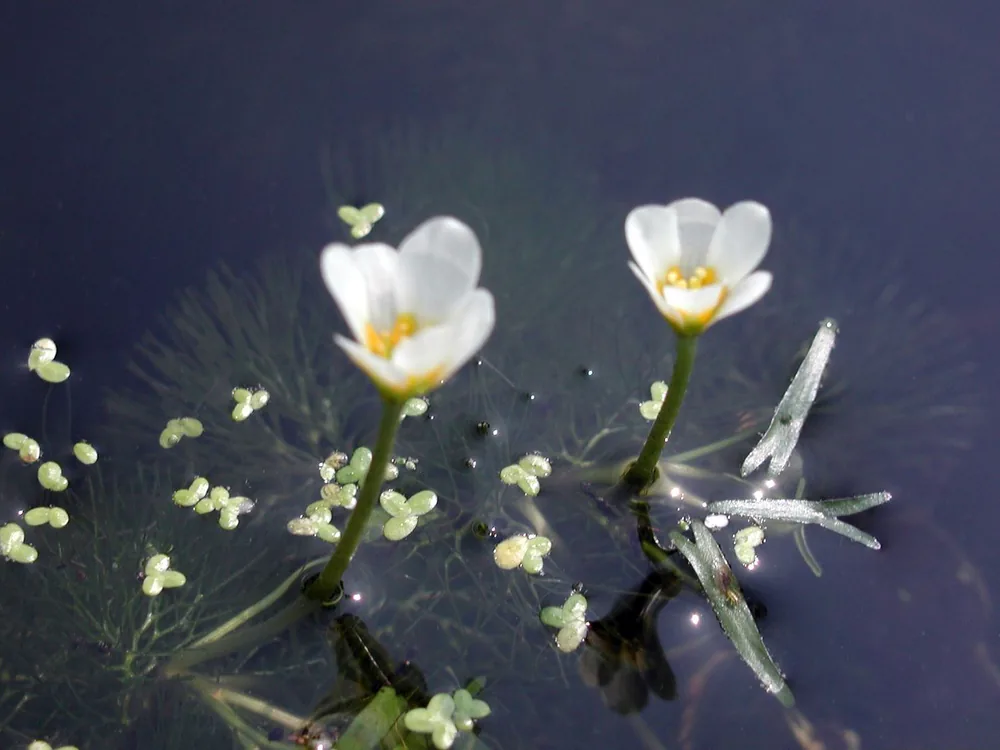
Native to slow-moving freshwater across the Americas, Cabomba caroliniana produces delicate, finely divided fan-shaped leaves arranged in whorls along soft, brittle stems, giving planted tanks a wispy, feathery texture unlike almost any other background plant. It has long been a favorite backdrop plant precisely because its fine texture contrasts so strongly with broader-leaved species nearby.

Invasive species: EU restrictions

This species is on the EU list of invasive alien species of Union concern.

In the EU it is generally illegal to keep, grow, sell, transport or release it.

Never release it, or any part of it, into waterways or the wild. Dispose of it with the household waste, not in water or on the compost.

Rules outside the EU, and national rules, can differ.

Source: Regulation (EU) No 1143/2014 and the Union list in Implementing Regulation (EU) 2016/1141

I have this plant

Information

Varieties and related species
Green CabombaRed Cabomba (C. furcata)

Light

High light needed (~40-60 PAR) for dense, compact growth; under weak light it grows sparse and sheds leaves.

Water

Weekly 20-30% water changes; prefers soft, slightly acidic water, pH 6.0-7.0, 22-26°C; sensitive to hard or fluctuating water.

CO2 & Feeding

Benefits strongly from injected CO2 for dense, healthy growth and better leaf retention; a fast grower that needs regular liquid fertilizing.

Substrate

Any standard planted substrate works, though its fine roots anchor best in soft aquasoil rather than coarse gravel.

Temperature

22-26°C.

Growth speed

Fast

Tank Placement

Background

Common mistake

Handling Cabomba roughly makes its fragile, feathery leaves shed rapidly, as do low light and poor water flow. Loose pieces of stem root easily, which is one reason the plant spreads so readily outside an aquarium.

Care by Season

Spring

Fast growth resumes as the light and warmth increase.

Summer

Peak growth, trim regularly and keep flow and light stable, since Cabomba sheds leaves readily when stressed.

Autumn

Growth slows; handle stems minimally since leaf shedding increases as growth conditions shift.

Winter

Prefers stable warmth; growth slows and leaf loss can increase in cooler water.

Pests & Diseases

Common problems

Leaves shedding

Most likely cause: Rough handling, low light, poor water flow or unstable water quality.
What to do: Give it more light and flow, keep the water stable and avoid handling it.

Leggy stems, bare at the bottom

Most likely cause: Too little light.
What to do: Increase the light.

Sparse, thin growth

Most likely cause: Weak light and no CO2.
What to do: Give it high light and inject CO2.

Poor growth in hard water

Most likely cause: It prefers soft, slightly acidic water.
What to do: Keep the pH at 6.0-7.0 in soft water.

More leaf loss in cool water

Most likely cause: It prefers stable warmth.
What to do: Keep the water at 22-26°C.

Pests & Diseases

Leaf shedding

Signs: Fine feathery leaves detaching and scattering across the substrate
Treatment: Improve light intensity and water flow, avoid rough handling, and keep water parameters stable.

Leggy growth

Signs: Long bare stem sections beneath a tuft of leaves near the surface
Treatment: Increase the light to prevent recurrence.

FAQ

Why does my Cabomba keep losing its leaves?

Its fine, delicate leaves shed easily after rough handling, in low light, in poor water flow or when the water quality is unstable.

Why is my Cabomba growing leggy with bare stems at the bottom?

This happens under insufficient light, since it stretches toward the surface.

Does Cabomba need CO2?

Not strictly, but it benefits strongly from it. With injected CO2 it grows denser and keeps its leaves better.

How much light does Cabomba need?

High light. Under weak light it grows sparse and sheds its leaves.

What water does Cabomba need?

Soft, slightly acidic water at pH 6.0-7.0 and 22-26°C. Change 20-30% of the water every week.

Is Cabomba legal to keep in the EU?

Generally not. Cabomba caroliniana is on the EU list of invasive alien species of Union concern, so in the EU it is generally illegal to keep, grow, sell, transport or release it. National rules, and rules outside the EU, can differ.

How do I dispose of Cabomba?

With the household waste. Put the whole plant in the bin, including every loose piece of stem, and never put it in a pond, a stream, a drain or the compost.

You might also like