No results. Is a plant missing? Tell uscontact@wikiplant.net
Ludwigia Repens
Ludwigia repens
Care level: Easy
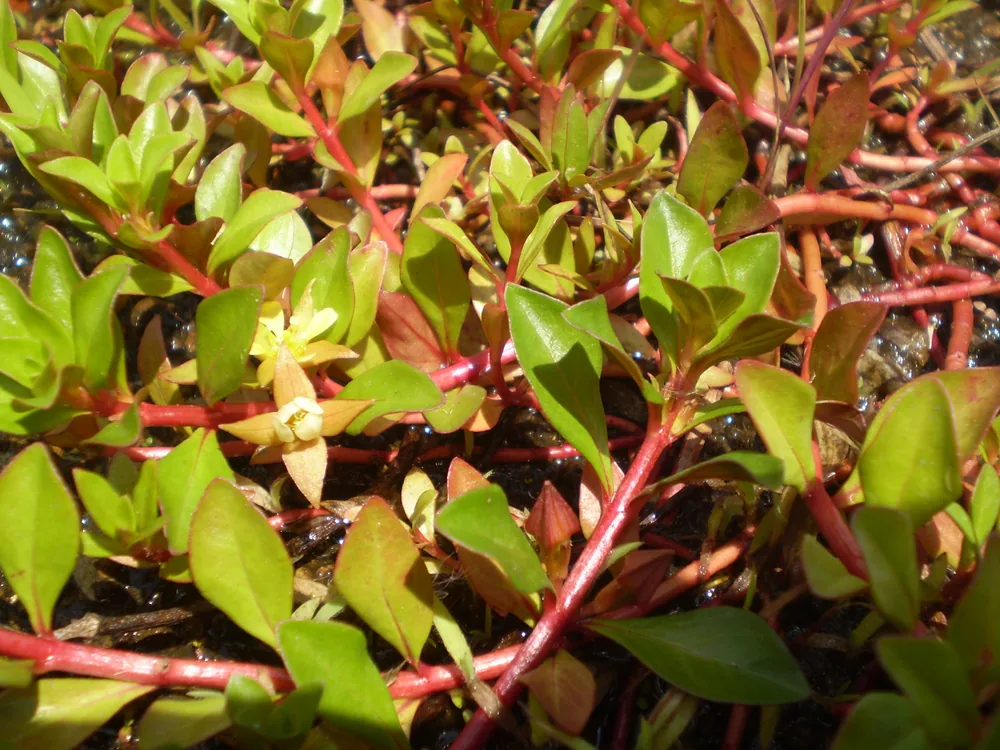
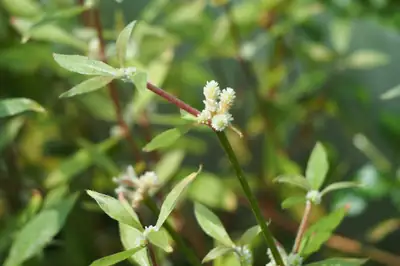
Native to wetlands of the southeastern United States and Central America, Ludwigia repens is a sturdy stem plant whose broad oval leaves shift from green to coppery red or purple depending on light intensity, offering warm color contrast against the green plants that dominate most planted tanks. It is considerably more forgiving of average light and nutrient levels than many other red-leaved stem plants.
Moderate to high aquarium lighting (~30-50 PAR) brings out the best red-bronze coloration; survives under lower light but stays mostly green.
Water
Weekly 20-30% water changes; adaptable, pH 6.0-7.5, 22-28°C, soft to moderately hard water.
CO2 & Feeding
Grows without CO2 injection but colors up more and grows denser with it; benefits from regular liquid fertilizing as a moderate-to-heavy feeder.
Substrate
Nutrient-rich substrate supports strong root growth, though it also feeds through its leaves from the water column.
Temperature
22-28°C.
Tank Placement
Midground
Beginner tip
Ludwigia repens is one of the easiest red-toned stem plants to keep, holding reasonable color even under moderate rather than intense light, making it a good entry point before attempting more demanding red plants like Rotala or Alternanthera.
Care by Season
Spring
Growth picks up; trim tips regularly and replant cuttings to build a fuller background hedge.
Summer
Peak growth and best coloration under strong summer lighting, trim every couple of weeks.
Autumn
Growth and coloration both fade somewhat as light decreases; reduce trimming frequency.
Winter
Growth slows considerably in cooler, dimmer conditions; minimal trimming needed.
Growing & Maintenance
Planting
Plant the stems in a nutrient-rich substrate, in the midground.
Fertilising
Regular liquid fertiliser, with enough iron and micronutrients for good colour.
Trimming
Trim the tips regularly, every couple of weeks in peak growth.
Propagation
Replant the cut tips to build a fuller group.
Pests & Diseases
Common problems
Green leaves where red was expected
Most likely cause: Too little light.
What to do: Give it moderate to high light. The red deepens with stronger light.
Leggy stems
Most likely cause: No regular trimming.
What to do: Trim the growing tips and replant them.
Colour fading
Most likely cause: Low iron and micronutrients, or weaker light.
What to do: Check the fertiliser dose and increase the light.
Slow growth in winter
Most likely cause: Cooler, dimmer conditions.
What to do: Keep the water at 22-28°C and trim less.
Sparse lower stems
Most likely cause: The top of the group shades the base.
What to do: Cut the tops and replant them between the old stems.
Pests & Diseases
Fading color (excess green)
Signs: Leaves stay green rather than developing red-bronze tones
Treatment: Increase light intensity and check that iron and micronutrient dosing are adequate.
Leggy growth
Signs: Long stem sections with sparse leaves, especially near the base
Treatment: Trim the growing tips regularly and replant cuttings to encourage denser branching lower on the stem.
FAQ
Why is my Ludwigia repens green instead of red?
Color intensity is light-dependent, it will show some red under moderate light but reaches its deepest coppery-red coloration only under stronger lighting and good nutrient levels.
Can Ludwigia repens grow emersed above the waterline?
Yes, it adapts well to emersed growth in paludariums or riparium setups, often showing even more vivid color above water than fully submerged.
Does Ludwigia repens need CO2?
No. It grows without injected CO2, but colours up more and grows denser with it.
How much light does Ludwigia repens need?
Moderate to high light for the best red-bronze colour. It survives under lower light, but stays greener.
What water does Ludwigia repens need?
It is adaptable: pH 6.0-7.5, 22-28°C, soft to moderately hard water. Change 20-30% of the water every week.
How do I propagate Ludwigia repens?
From cuttings. Cut the growing tips and push them into the substrate, where they root.