No results. Is a plant missing? Tell uscontact@wikiplant.net
Vallisneria
Vallisneria spiralis
Care level: Easy
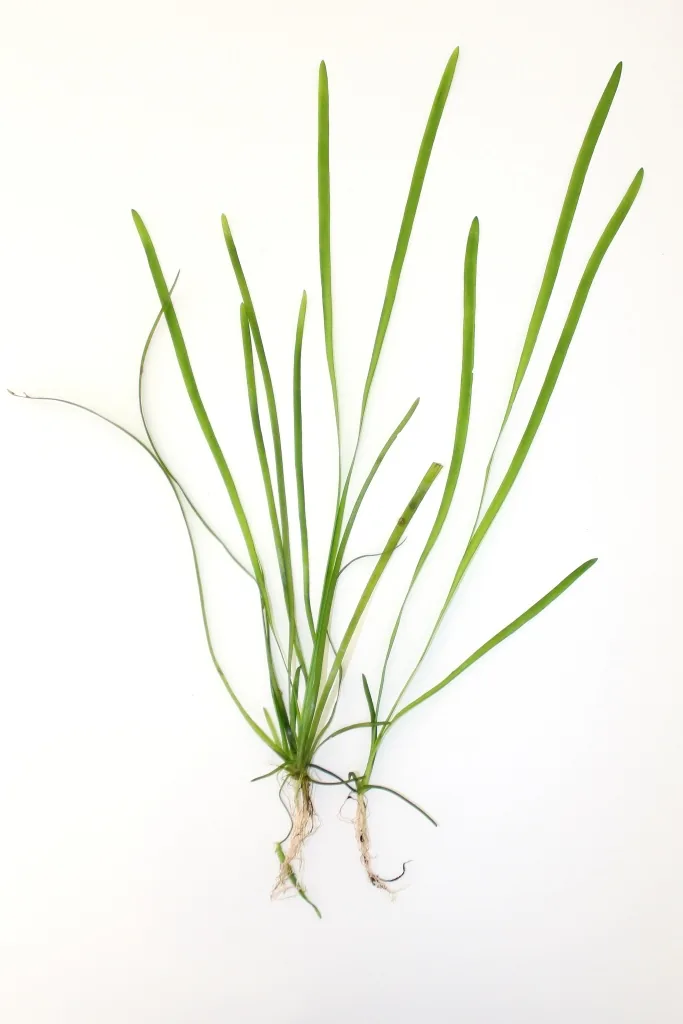
Also called eelgrass or tape grass, Vallisneria spans freshwater habitats worldwide and grows in long, ribbon-like blades from a rooted crown, spreading rapidly by sending out horizontal runners that pop up new plants across the substrate. It is a favorite background and hardscape-softening plant precisely because it forms a natural-looking meadow with almost no maintenance once established.
Moderate aquarium lighting (~25-40 PAR); grows well without CO2 injection under adequate light.
Water
Weekly 20-30% water changes; prefers moderately hard to hard, alkaline water, pH 6.5-8.0, 18-28°C.
CO2 & Feeding
Does not require injected CO2; benefits from root tabs and general water-column fertilization more than gas supplementation.
Substrate
Nutrient-rich substrate or gravel with root tabs; the crown must sit on top of the substrate with only roots buried, never the crown itself.
Temperature
18-28°C. Growth nearly stops below 18°C.
Tank Placement
Background
Beginner tip
Vallisneria actually prefers harder, more mineral-rich water than most aquarium plants, in very soft or acidic water its blades can twist, curl, or fail to grow properly, a symptom often mistaken for disease.
Care by Season
Spring
Runner production increases; separate and replant new plantlets to fill in bare areas or share with other tanks.
Summer
Peak growth, blades reaching and trailing across the surface can be trimmed to keep light reaching plants below.
Autumn
Growth slows somewhat; thin out dense patches to maintain flow around the crowns.
Winter
Tolerates cooler temperatures but growth nearly stops below 18°C; keep the heater reliable in unheated setups.
Growing & Maintenance
Planting
Plant it in a nutrient-rich substrate, or in gravel with root tabs. The crown must sit on top of the substrate, with only the roots buried.
Fertilising
Root tabs and a general fertiliser in the water. It needs no injected CO2.
Trimming
Trim the blades that reach the surface and trail across it, so that light still reaches the plants below.
Propagation
By runners. Separate the new plantlets and replant them.
Pests & Diseases
Common problems
Leaves melting after planting
Most likely cause: Transplant shock. The original leaves often die back.
What to do: Trim the melted blades and leave the crown and roots in place. New leaves follow.
Twisted, deformed leaves
Most likely cause: A nutrient or water-hardness problem, such as too little calcium.
What to do: Check the water hardness and the fertiliser.
Plants spreading through the whole tank
Most likely cause: Runners rooting everywhere.
What to do: Pull up unwanted plantlets by the base once they have rooted.
Poor growth in very soft, acidic water
Most likely cause: It prefers harder, more mineral-rich water.
What to do: Keep it in moderately hard to hard water at pH 6.5-8.0.
Signs: Leaves grow thin, twisted, or corkscrewed unintentionally
Treatment: Check for boron or calcium deficiency and confirm water hardness is not too soft; adjust with a remineralizing fertilizer.
Melting after planting
Signs: Leaves turn yellow, translucent, and disintegrate shortly after introduction
Treatment: Trim melted blades and leave the crown and roots in place; new adapted growth typically appears within two to three weeks.
FAQ
Why is my Vallisneria melting after I planted it?
New Vallisneria often melts its original leaves after transplant shock, but the crown and runners usually survive and send up fresh, tank-adapted blades within a couple of weeks.
How do I control Vallisneria from taking over the tank?
Simply pull up unwanted runner plantlets by the base once they root, or trim blades that reach the surface and curl across it, it spreads fast in good conditions.
Does Vallisneria need CO2?
No. It grows well without injected CO2 under adequate light, and gains more from root tabs than from gas.
How much light does Vallisneria need?
Moderate aquarium lighting is enough.
What water does Vallisneria need?
Moderately hard to hard, alkaline water at pH 6.5-8.0 and 18-28°C. It does less well in very soft, acidic water.
How do I propagate Vallisneria?
From its runners. Each runner makes plantlets that can be separated and replanted once they have roots.