No results. Is a plant missing? Tell uscontact@wikiplant.net
Water Lettuce
Pistia stratiotes
Care level: Easy
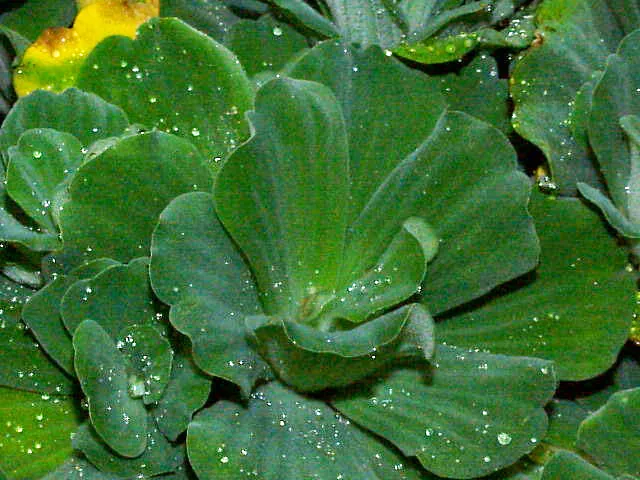
Water Lettuce forms pale green, velvety rosettes that float freely on still tropical and subtropical waters worldwide, trailing long feathery roots below the surface that fish and shrimp use as both cover and a grazing ground for biofilm. Because it floats and drinks light directly, it grows explosively fast.
!Invasive species: EU restrictions
This species is on the EU list of invasive alien species of Union concern.
In the EU it is generally illegal to keep, grow, sell, transport or release it.
Never release it, or any part of it, into waterways or the wild. Dispose of it with the household waste, not in water or on the compost.
Rules outside the EU, and national rules, can differ.
High light needed (~40-60+ PAR) since it floats at the surface and receives full intensity; will pale or yellow under weak lighting.
Water
Weekly 20-30% water changes; adaptable, pH 6.0-7.5, 22-28°C, though sensitive to strong surface agitation.
CO2 & Feeding
No CO2 needed, it draws carbon from the air through its leaves; benefits from liquid fertilizer since it grows and multiplies quickly.
Substrate
No substrate at all, it floats freely at the surface with trailing roots hanging in the water column rather than being planted.
Temperature
22-28°C.
Size
Rosettes 8-15cm tall and 15-45cm wide.
Growth speed
Fast
Tank Placement
Floating
Common mistake
Water Lettuce's fuzzy leaves must stay dry on top: constantly splashed by a filter outlet, or fully submerged, they rot quickly.
Care by Season
Spring
Rapid multiplication resumes via side runners; thin the surface coverage regularly to let light reach plants below.
Summer
Fastest growth of the year in warm, bright tanks, remove excess plantlets weekly to prevent completely covering the surface.
Autumn
Growth slows with shorter light periods; reduce thinning frequency as multiplication drops off.
Winter
Growth nearly stops in cooler water; watch for leaf rot if condensation from a tank lid drips onto the rosettes.
Pests & Diseases
Common problems
Brown, mushy leaves
Most likely cause: Leaf surfaces kept wet by a splashing filter outlet or drips from the lid.
What to do: Move the plants to a calmer area and stop condensation dripping on them.
Pale or yellow leaves
Most likely cause: Too little light.
What to do: Give it high light at the surface.
Roots rotting
Most likely cause: Poor water quality.
What to do: Change the water more often.
The whole surface covered
Most likely cause: Rapid multiplication by runners.
What to do: Remove the excess plantlets every week.
Growth almost stopping
Most likely cause: Cool water.
What to do: Keep the water at 22-28°C.
Pests & Diseases
Root rot from poor water quality
Signs: Trailing roots turn brown, slimy, or disintegrate
Treatment: Improve water quality with more frequent water changes and remove badly affected plants to prevent fouling the tank.
Leaf rot from splashing
Signs: Leaf centers turn brown and mushy while wet on top
Treatment: Relocate to a calmer surface area away from filter output or strong ripples.
FAQ
Why are my Water Lettuce leaves turning brown and mushy?
Wet leaf surfaces from splashing filter output or condensation drips are the most common cause; move floating plants to a calmer area of the surface away from strong flow.
Is Water Lettuce invasive?
Yes. It is invasive in many warm-climate waterways outside its native range and is on the EU list of invasive alien species of Union concern. Never release it into ponds, rivers or lakes, and put it in the household waste, not on the compost.
Does Water Lettuce need CO2?
No. It draws carbon from the air through its leaves.
How much light does Water Lettuce need?
High light. With too little, the leaves turn pale or yellow.
What water does Water Lettuce need?
It is adaptable: pH 6.0-7.5 and 22-28°C, with a calm surface. Change 20-30% of the water every week.
Is Water Lettuce legal to keep in the EU?
Generally not. Pistia stratiotes is on the EU list of invasive alien species of Union concern, so in the EU it is generally illegal to keep, grow, sell, transport or release it. National rules, and rules outside the EU, can differ.