No results. Is a plant missing? Tell uscontact@wikiplant.net
Bamboo Palm
Chamaedorea seifrizii
Care level: Easy
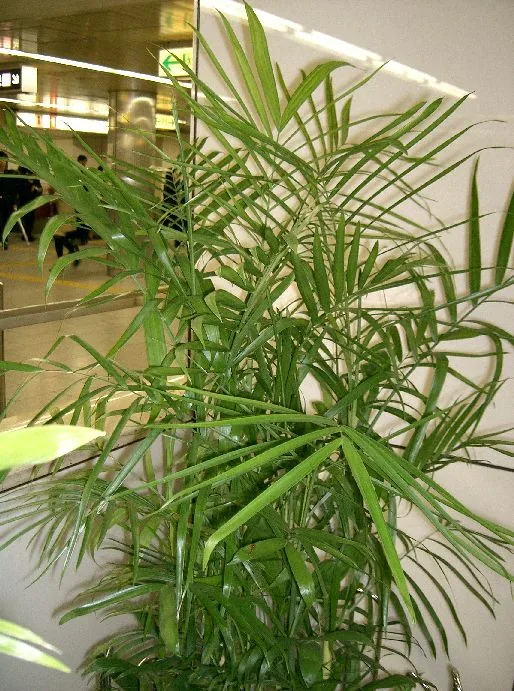
Despite the name, Chamaedorea seifrizii isn't bamboo at all; it's a true palm from the understory of Mexican and Central American forests, and its slender, ringed canes only resemble bamboo stalks. That forest-floor origin explains why it tolerates lower light better than almost any other palm sold for indoor use.
Clustering clumpsChamaedorea seifrizii var. compacta
Light
Handles low light well and also grows in bright indirect light; avoid direct sun, which scorches the thin fronds.
Water
Keep soil lightly moist, watering when the top 2-3cm dries, roughly every 7-10 days.
Humidity
Appreciates above-average humidity; brown tips often signal air that's too dry.
Soil
Well-draining, peat-based potting mix with good organic matter.
Size
0.9-2.3m tall and 0.9-1.8m wide. The clump widens slowly.
Best position
north / north-east-facing windowanywhere up to about 2 m from the window
east-facing windowabout 1 m from the window or further back
west-facing windowabout 2 m from the window or further back
Watch for strong direct sun at east / west windows.
See every window directionHide window directions
Best position
right by the window
about 1 m
about 2 m
about 4 m
4 m or more
north
works well✓
works well✓
works well✓
just about~
just about~
north-east
works well✓
works well✓
works well✓
just about~
just about~
east
just about~
works well✓
works well✓
works well✓
works well✓
south-east
too much direct sun☼
just about~
just about~
works well✓
works well✓
south
too much direct sun☼
too much direct sun☼
too much direct sun☼
just about~
works well✓
south-west
too much direct sun☼
too much direct sun☼
just about~
works well✓
works well✓
west
too much direct sun☼
too much direct sun☼
works well✓
works well✓
works well✓
north-west
too much direct sun☼
just about~
works well✓
just about~
just about~
✓works well~just about○too dark☼too much direct sun
A rough guide based on window direction and typical daylight through the year. Window size, curtains and whatever stands outside matter just as much.
?Pet safety not confirmed
As a precaution, keep it out of reach of children and pets.
Did you know?
The Bamboo Palm was another star of NASA's Clean Air Study, valued for filtering formaldehyde and other common indoor pollutants while also releasing a notable amount of moisture into the air.
Care by Season
Spring
Resume light feeding as new canes and fronds start emerging.
Summer
Water consistently and mist occasionally to keep humidity up during warm months.
Autumn
Ease off feeding and slightly reduce watering frequency as growth slows.
Winter
Water more sparingly, keep away from cold drafts, and maintain some humidity to prevent tip browning.
Growing & Maintenance
Soil and pot
A well-drained, peat-based potting mix with plenty of organic matter. Good drainage is essential.
Fertilising
A light feed in spring and summer, as new canes and fronds emerge. Ease off in autumn.
Pruning
Cut off fronds once they are fully brown, at the base. Leave green fronds alone.
Propagation
By dividing the clump, or from seed.
Pests & Diseases
Common problems
Brown frond tips
Most likely cause: Dry air, or minerals building up from tap water.
What to do: Raise the humidity and rinse the compost through with plenty of water now and then.
Yellow fronds and a soft cane base
Most likely cause: Overwatering, which causes root rot and stem rot.
What to do: Let the compost dry more between waterings and repot into fresh, well-drained mix.
Scorched fronds
Most likely cause: Direct sun on the thin fronds.
What to do: Move it to bright, indirect light or even lower light.
Dry, crisp fronds
Most likely cause: Compost that has dried out.
What to do: Water when the top 2-3cm is dry and keep the compost lightly moist.
Lower fronds turning brown
Most likely cause: Normal ageing.
What to do: Cut them off at the base.
Pests & Diseases
Spider mites
Signs: Fine webbing between fronds and stippled, dulled leaflets
Treatment: Raise humidity, rinse fronds, and use insecticidal soap if needed. Check the undersides of the leaves and the crevices where the leaf stem meets the main stalk.
Mealybugs
Signs: White cottony tufts along stems and leaf bases
Treatment: Dab with an alcohol-soaked cotton swab and repeat weekly. Check the undersides of the leaves and the crevices where the leaf stem meets the main stalk.
Root rot
Signs: Yellowing fronds and mushy, blackened roots from overwatering
Treatment: Let soil dry more between waterings, and repot in fresh mix if rot has set in.
FAQ
Is the Bamboo Palm actually related to bamboo?
No, it's a true palm (Chamaedorea seifrizii), not a grass; the name comes purely from its slender, cane-like, ringed stems, which resemble bamboo canes at a glance.
Why are the fronds on my Bamboo Palm turning brown at the tips?
This is usually a sign of low humidity or mineral buildup from tap water; raising humidity and occasionally flushing the soil with filtered water usually stops new tips from browning.
How much light does a Bamboo Palm need?
It prefers medium light and survives in low light. Keep it out of direct sun, which scorches the thin fronds.
How often should I water a Bamboo Palm?
Roughly every 7-10 days, when the top 2-3cm of compost has dried. Keep it lightly moist; overwatering rots the roots and canes.
How big does a Bamboo Palm get?
Between 0.9 and 2.3m tall and 0.9 to 1.8m wide. The clump of canes widens slowly.
How do I propagate a Bamboo Palm?
By dividing the clump of canes when you repot. It can also be raised from seed.