No results. Is a plant missing? Tell uscontact@wikiplant.net
Parlor Palm
Chamaedorea elegans
Care level: Easy
The parlor palm was one of the most fashionable houseplants of the Victorian era, prized for tolerating the dim, gas-lit and poorly ventilated rooms of 19th-century homes, and it remains one of the few palm species that can flower and even set seed while still small enough to sit on a tabletop indoors.
Tolerates low light very well and prefers indirect light; direct sun scorches its fronds.
Water
Water when the top 2-3cm of soil is dry, roughly every 1-2 weeks; avoid overwatering.
Humidity
Appreciates moderate to high humidity but adapts to average indoor conditions.
Soil
Well-draining, peat-based potting mix.
Temperature
Normal room temperatures, away from cold draughts.
Size
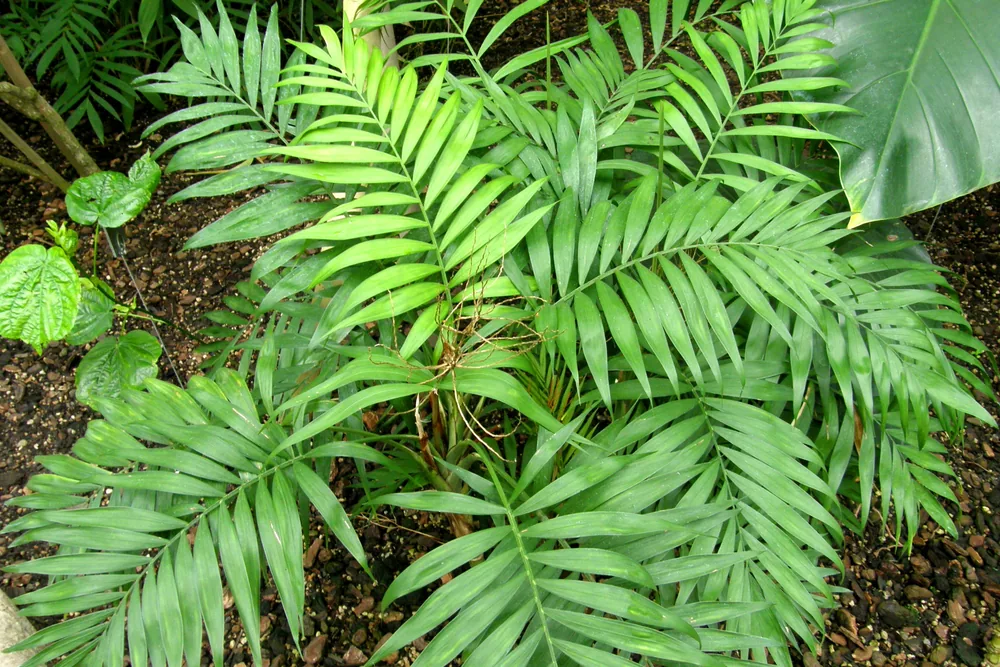
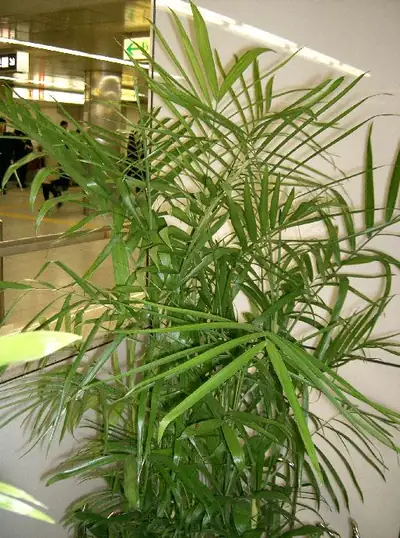
0.6-2.3m tall and 60-90cm wide.
Growth speed
Slow
Best position
north / north-east-facing windowanywhere up to about 2 m from the window
east-facing windowabout 1 m from the window or further back
west-facing windowabout 2 m from the window or further back
Watch for strong direct sun at east / west windows.
See every window directionHide window directions
Best position
right by the window
about 1 m
about 2 m
about 4 m
4 m or more
north
works well✓
works well✓
works well✓
just about~
just about~
north-east
works well✓
works well✓
works well✓
just about~
just about~
east
just about~
works well✓
works well✓
works well✓
works well✓
south-east
too much direct sun☼
just about~
just about~
works well✓
works well✓
south
too much direct sun☼
too much direct sun☼
too much direct sun☼
just about~
works well✓
south-west
too much direct sun☼
too much direct sun☼
just about~
works well✓
works well✓
west
too much direct sun☼
too much direct sun☼
works well✓
works well✓
works well✓
north-west
too much direct sun☼
just about~
works well✓
just about~
just about~
✓works well~just about○too dark☼too much direct sun
A rough guide based on window direction and typical daylight through the year. Window size, curtains and whatever stands outside matter just as much.
✓Non-toxic to pets
Considered non-toxic to cats and dogs.
Source: ASPCA
Did you know?
Parlor palms are naturally either male or female, and a mature plant kept in bright enough light may produce small clusters of yellow flowers on thin stalks, though the flowers themselves aren't especially showy.
Care by Season
Spring
Resume light feeding as new fronds unfurl.
Summer
Water consistently and mist occasionally to keep fronds looking fresh.
Autumn
Reduce watering frequency as growth slows.
Winter
Water sparingly and keep away from cold drafts; stop feeding.
Growing & Maintenance
Soil and pot
A well-drained, humus-rich houseplant mix in a pot with drainage holes.
Repotting
Only when necessary, about every other year. It likes to be slightly root-bound.
Fertilising
Feed lightly now and then in spring and summer. None in winter.
Pruning
Cut off a frond only once it is completely brown, at the base.
Pests & Diseases
Common problems
Brown frond tips
Most likely cause: Dry air, salts or fluoride in tap water, or compost left dry for too long.
What to do: Mist the fronds, water with rainwater or filtered water and do not let the compost dry out completely.
Yellow fronds
Most likely cause: Overwatering.
What to do: Let the top 2-3cm dry before watering again and make sure the pot drains.
Scorched fronds
Most likely cause: Direct sun.
What to do: Move it to bright or low indirect light.
Lower fronds turning brown
Most likely cause: Normal ageing.
What to do: Cut them off at the base.
Very slow growth
Most likely cause: Normal for this palm.
What to do: Nothing to do. It can stay in the same pot for years.
Pests & Diseases
Spider mites
Signs: Fine webbing between fronds and stippled, dull leaflets.
Treatment: Increase humidity, rinse fronds, and treat with insecticidal soap. Check the undersides of the leaves and the crevices where the leaf stem meets the main stalk.
Scale insects
Signs: Small brown bumps along stems and frond undersides.
Treatment: Scrape off manually and wipe with rubbing alcohol or neem oil.
Root rot
Signs: Yellowing fronds and mushy, blackened roots from overwatering.
Treatment: Repot in fresh, well-draining mix after trimming away rotten roots.
FAQ
Why are the tips of my parlor palm's fronds turning brown?
Brown frond tips are usually caused by dry air, fluoride or salts in tap water, or letting the soil go completely dry between waterings. Trimming the dead tips is cosmetic and won't harm the plant.
How do I know if my parlor palm needs a bigger pot?
Parlor palms actually prefer being slightly rootbound and are naturally very slow growing, so they often go two to three years between repottings. Repot only when roots are visibly circling the pot or pushing through the soil surface.
Is the parlor palm safe for cats and dogs?
Yes, the parlor palm is not toxic to cats or dogs.
How often should I water a parlor palm?
Roughly every 1-2 weeks, when the top 2-3cm of compost is dry. Let it dry slightly between waterings and water sparingly in winter.
How big does a parlor palm get?
Between 0.6 and 2.3m tall and 60 to 90cm wide. It grows slowly, so it takes many years to reach its full height indoors.
Does a parlor palm flower?
Yes, after a few years of growth and in good light. It produces small sprays of flowers, though it rarely sets fruit indoors.