No results. Is a plant missing? Tell uscontact@wikiplant.net
Calamondin
Citrus x microcarpa
Care level: Moderate
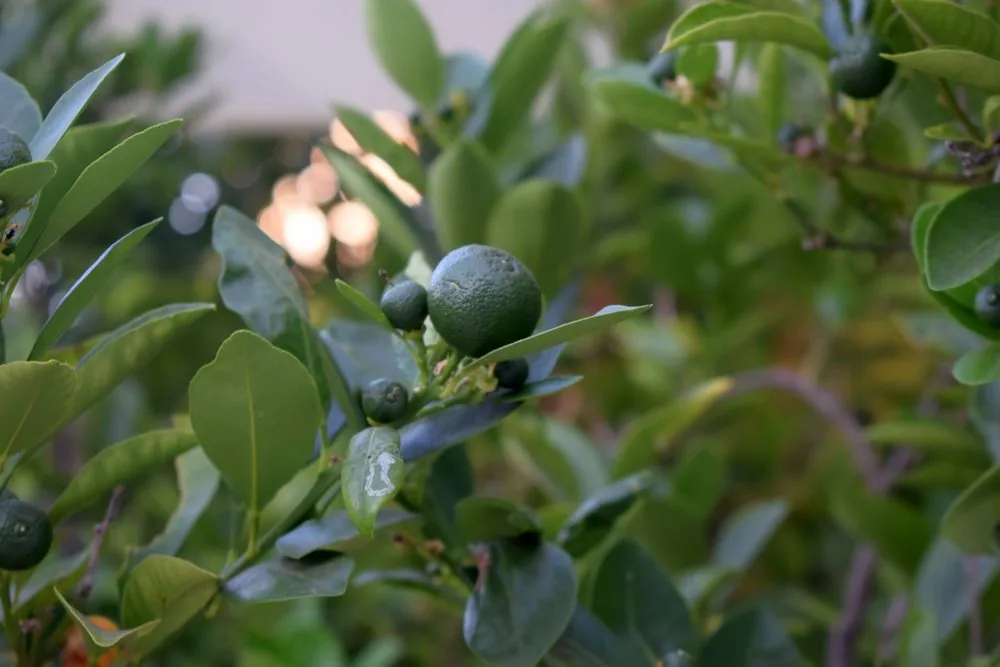
The calamondin is a compact, bushy citrus tree with glossy evergreen leaves, scented white flowers and small round fruits that ripen from green to bright orange. It is thought to be a cross between a mandarin and a kumquat, and it is the citrus that copes best with life in a pot indoors. It flowers and fruits on and off through the year, so a healthy plant often carries blossom, green fruit and ripe fruit together. It needs a great deal of light, even watering and a cool, bright winter.
Citrus x microcarpa 'Variegata'Citrus japonicaCitrus x limon 'Meyer'
Light
As much light as possible, with some shade from the hottest midday sun behind glass in summer.
Water
Water freely in growth, whenever the top of the compost has dried, and let the excess drain away. Water less in winter but never let it dry out fully. Rainwater is best.
Humidity
Dislikes hot, dry air. Mist the leaves or stand the pot on a tray of damp pebbles, especially in heated rooms.
Soil
A free-draining, slightly acidic citrus compost in a pot with drainage holes.
Temperature
Not frost hardy. Keep it frost free all year; a cool, bright room suits it best in winter.
Size
Up to 4m in the ground in warm climates; far smaller in a pot.
Growth speed
Medium
?Pet safety not confirmed
As a precaution, keep it out of reach of children and pets.
Signature feature
Flowers and fruit sit on the plant at the same time. The fruits hang for months, so the white, scented blossom of the next crop opens beside green and orange fruit from the last one.
Care by Season
Spring
Growth and the main flush of flowers begin. Repot if needed and start feeding.
Summer
Stand the pot outdoors in a sunny, sheltered spot. Water freely and feed regularly.
Autumn
Bring it indoors before the first frost and reduce watering as growth slows.
Winter
Keep it in the brightest, coolest room available, away from radiators, and water sparingly.
Growing & Maintenance
Repotting
Repot in spring every two or three years into a pot one size larger. In other years replace the top few centimetres of compost.
Fertilising
Feed with a citrus fertiliser from spring to autumn, following the label. Many ranges have a separate winter feed for the cooler months.
Pruning
Shorten overlong shoots in late winter to keep a bushy shape, and pinch the tips of vigorous shoots in summer. Remove any shoots from below the graft.
Propagation
By semi-ripe cuttings in summer.
Pests & Diseases
Common problems
Sudden leaf drop
Most likely cause: Draughts, dry heat, a move to low light or uneven watering.
What to do: Give it a bright, cool, steady position and water evenly.
Pale leaves with green veins
Most likely cause: A lack of nutrients, often with hard water.
What to do: Use a citrus fertiliser and rainwater.
Flowers and small fruits falling
Most likely cause: Dry air, dry compost or too little light.
What to do: Mist, water regularly and move it to a brighter place.
Sticky leaves with a black coating
Most likely cause: Honeydew from scale insects or mealybugs.
What to do: Remove the insects and wipe the leaves clean.
Yellow leaves and wet compost
Most likely cause: Overwatering or a pot that does not drain.
What to do: Let the compost dry at the top and empty the saucer.
Pests & Diseases
Red spider mite
Signs: Fine pale speckling on the leaves and thin webbing in warm, dry rooms.
Treatment: Raise humidity, rinse the foliage in the shower and move the plant away from heat. Check the undersides of the leaves and the crevices where the leaf stem meets the main stalk.
Soft scale
Signs: Flat brown bumps along the leaf veins and stems, with sticky honeydew and black sooty mould.
Treatment: Wipe them off with a damp cloth and repeat every week until no new ones appear.
Mealybugs
Signs: White, woolly tufts in the leaf joints and around the fruit stalks.
Treatment: Dab them off with a cotton bud dipped in alcohol and repeat weekly. Check the undersides of the leaves and the crevices where the leaf stem meets the main stalk.
Aphids
Signs: Clusters of small insects on soft shoot tips and flower buds.
Treatment: Rinse them off or wipe them away by hand.
FAQ
Can you eat calamondin fruits?
Yes. The pulp is very sour, like a sharp lime, while the thin peel is mild and can be eaten too. They are used for marmalade, in drinks and as a squeeze of juice in cooking.
Why is my calamondin dropping its leaves?
Leaf drop follows a shock: cold draughts, hot dry air near a radiator, a sudden move to a darker place, or roots that are too wet or bone dry. Correct the cause and keep watering evenly; new leaves follow.
Can it stand outside in summer?
Yes, and it benefits. Move it out once nights are mild, into light shade first and then into sun, and bring it back in before the first frost.
Why are the flowers falling without setting fruit?
Some drop is normal, as the plant sets far more flowers than it can carry. Heavy drop points to dry air, dry compost or too little light.
Why are the leaves turning yellow?
Pale leaves with green veins point to a lack of nutrients, often made worse by hard tap water. Use a citrus fertiliser and rainwater where you can. Yellow leaves all over with wet compost mean overwatering.
How long do the fruits take to ripen?
Several months. They turn from dark green to orange slowly and can stay on the plant for a long time once ripe.