No results. Is a plant missing? Tell uscontact@wikiplant.net
Carrot
Daucus carota subsp. sativus
Care level: Easy
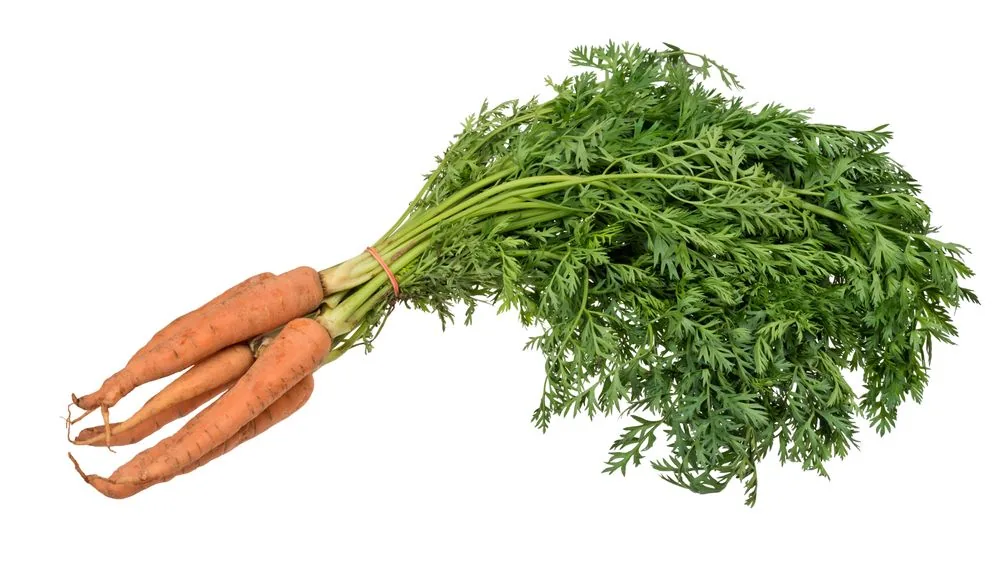
The carrot is a root vegetable grown as an annual for its sweet, crisp taproot, topped by a tuft of feathery, finely cut leaves. Most are orange, but there are also yellow, white, red and purple varieties, and shapes that range from long and tapering to short and round. It is sown directly where it is to grow and is ready in three to four months. Carrots are not difficult, but they are particular about soil: they want it light, deep and free of stones, and they have one serious pest, the carrot fly.
Keep the soil evenly moist while the seed germinates. After that, water thoroughly every week or two in dry weather; heavy watering after drought splits the roots.
Humidity
Not a factor for this outdoor crop.
Soil
Light, deep, stone-free, well-drained soil that has not been freshly manured. Sandy soil is ideal.
Temperature
A cool-season crop. Sow from early spring once the soil has begun to warm; mature roots tolerate light frost.
Size
20-40cm tall.
Growth speed
Medium
?Pet safety not confirmed
As a precaution, keep it out of reach of children and pets.
Beginner tip
Cover the row with fine insect mesh from the day you sow. Carrot fly finds the crop by scent and lays its eggs at the base of the plants, and its grubs then tunnel through the roots. Mesh with the edges buried is the only reliable protection, and it must stay on until harvest.
Care by Season
Spring
Sow early varieties from early spring, under cloches or fleece at first, and repeat every few weeks.
Summer
Sow maincrop varieties by early summer. Thin, weed, water in dry spells and start pulling early carrots.
Autumn
Harvest maincrop carrots. Lift them for storage before hard frost.
Winter
Stored roots keep in boxes of slightly damp sand in a cool, frost-free place.
Growing & Maintenance
Planting
Sow thinly in drills 1cm deep and 15-30cm apart. Thin the seedlings to 5-8cm apart, preferably on a still evening, and remove the thinnings so their scent does not attract carrot fly.
Fertilising
None needed on soil manured for an earlier crop. Fresh manure and high-nitrogen feeds cause forked, hairy roots.
Pruning
No pruning. Keep the rows weeded by hand, as carrots compete poorly with weeds.
Propagation
By seed sown where the plants are to grow. Seed loses its vigour after two or three years.
Pests & Diseases
Common problems
Forked roots
Most likely cause: Stones, lumps or fresh manure in the soil, or transplanting.
What to do: Sow in place in fine, stone-free soil manured the year before.
Patchy germination
Most likely cause: The soil surface dried out or crusted.
What to do: Keep the row moist and covered until the seedlings appear.
Split roots
Most likely cause: Heavy rain or watering after a dry spell.
What to do: Water regularly so growth stays even.
Green, bitter shoulders
Most likely cause: Root tops exposed to light.
What to do: Draw soil over the tops of the roots.
Small, thin roots
Most likely cause: Crowding, shade or drought.
What to do: Thin to 5-8cm, grow in full sun and water in dry weather.
Plants flower instead of making a root
Most likely cause: A cold spell after very early sowing.
What to do: Sow a little later or protect early sowings with cloches.
Pests & Diseases
Carrot fly
Signs: Rusty brown tunnels in the roots with thin, creamy grubs inside; the leaves turn reddish or yellow.
Treatment: Cover the crop with fine insect mesh from sowing to harvest, sow thinly to avoid thinning, and rotate the bed each year.
Aphids
Signs: Clusters of small green insects on the leaves and crowns, with twisted, stunted, discoloured foliage.
Treatment: Rinse them off with water and encourage ladybirds and hoverflies. Insect mesh also keeps them out.
Slugs and snails
Signs: Seedlings eaten off at soil level soon after they appear.
Treatment: Hand-pick after dark, use traps or barriers and keep the area around the row clear of hiding places.
FAQ
Why are my carrots forked or stumpy?
The root tip met an obstacle or fresh manure. Stones, hard lumps, compacted soil and recently manured ground all make the root split or stop. Grow carrots in fine, deep, stone-free soil that was manured for a previous crop, or choose short-rooted varieties.
Why are the seeds taking so long to come up?
Carrot seed is slow, often two to three weeks, and it fails if the surface dries out or forms a crust in that time. Keep the row evenly moist, and cover it with fleece or a board until the first seedlings show.
Can I transplant carrot seedlings?
No. Any disturbance to the young taproot gives a forked or twisted carrot. Always sow in place, thinly, and thin the seedlings if they come up crowded.
What are the brown tunnels in the roots?
Damage by the grubs of the carrot fly. The leaves of affected plants often turn reddish and wilt. There is no cure once the grubs are inside; cover the next sowing with insect mesh and grow carrots in a different bed.
Why are the tops of the roots green?
The shoulders of the roots were exposed to light. The green part tastes bitter. Draw a little soil over the tops of the roots as they swell.
Can I grow carrots in a pot?
Yes, and it avoids the soil problems. Use a container at least 30cm deep filled with multipurpose compost mixed with a little sand, sow thinly on the surface, cover lightly and keep it watered. Short and round varieties are the most reliable.
When are carrots ready?
About 12 to 16 weeks after sowing. Brush the soil away from a root to check its width, and pull them as you need them. Loosen the soil with a fork first in heavy ground.