No results. Is a plant missing? Tell uscontact@wikiplant.net
Chervil
Anthriscus cerefolium
Care level: Easy
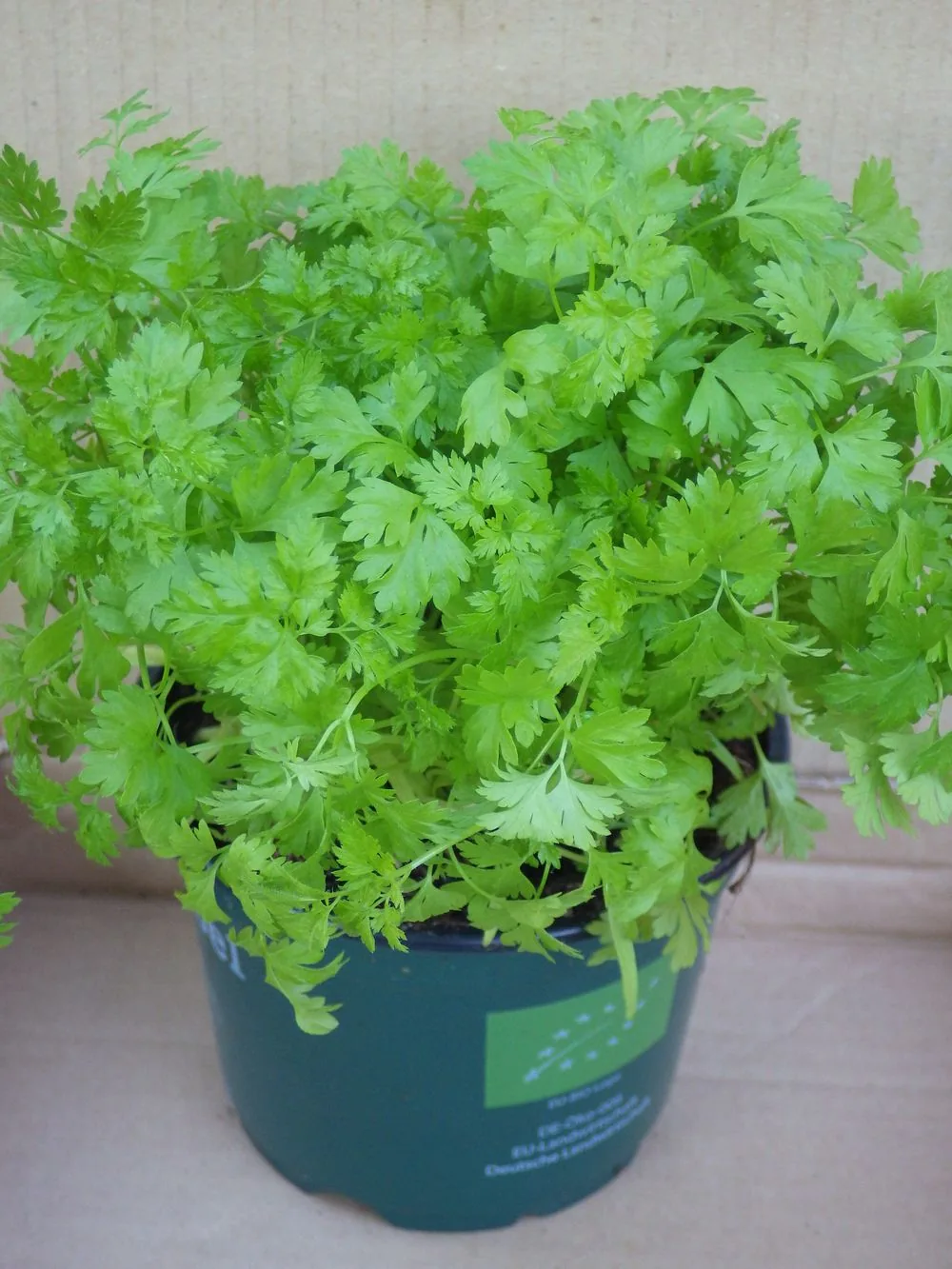
Chervil is a delicate annual herb with lacy, bright green leaves that taste of mild aniseed and parsley. It is one of the classic French fines herbes, used fresh with eggs, fish, soups and salads. The plant forms a low mound of foliage, then sends up thin stems of small white flowers and sets seed, all within a few months. It is at its best in cool, moist weather and in light shade, which is unusual for a herb, and it can be sown again and again from spring to autumn for a steady supply.
Partial shade, especially in summer. Full sun suits it only in spring and autumn.
Water
Keep the soil evenly moist. Water in dry spells, which otherwise trigger early flowering.
Humidity
Not a factor for this outdoor plant.
Soil
Any well-drained soil that holds some moisture, or multipurpose compost in a pot.
Temperature
A hardy annual that likes cool weather. Late sowings stand through mild winters; summer heat makes it flower early.
Size
30-60cm tall and 30-50cm wide.
Growth speed
Fast
?Pet safety not confirmed
As a precaution, keep it out of reach of children and pets.
Beginner tip
Grow it cool and sow it often. Heat, dry soil and full summer sun make chervil run to flower within weeks, and the leaves then lose their flavour. Sow a short row every few weeks in spring and again from late summer, in light shade, and keep it watered.
Care by Season
Spring
Sow outdoors from early spring and repeat every few weeks.
Summer
Harvest the spring sowings. Keep plants shaded and watered, and start sowing again from late summer.
Autumn
Late-summer sowings give the best leaves of the year.
Winter
Autumn-sown plants keep cropping in mild spells; protect them with a cloche or grow a pot indoors.
Growing & Maintenance
Planting
Sow in rows or patches where the plants are to grow, on the surface or barely covered, and thin to 15-20cm apart. In pots, sow thinly and do not thin beyond a few centimetres.
Pruning
Harvest regularly to promote fresh growth and cut off flower stems as they appear if you want to prolong leaf production.
Propagation
By seed sown in spring and early summer and again in late summer. Left to flower, it self-sows.
Pests & Diseases
Common problems
Plants flower within weeks
Most likely cause: Heat, drought or full summer sun.
What to do: Sow in shade, water well and avoid midsummer sowings.
Seed fails to come up
Most likely cause: Seed covered too deeply, or old seed.
What to do: Sow fresh seed on the surface and keep it moist.
Leaves turn red or purple
Most likely cause: Stress from drought, cold or the start of flowering.
What to do: Water, pick hard and sow again.
Weak flavour
Most likely cause: Leaves picked after flowering, or cooked too long.
What to do: Harvest young and add at the end of cooking.
Seedlings wilt after transplanting
Most likely cause: Root disturbance.
What to do: Sow where the plants are to grow.
Pests & Diseases
Slugs and snails
Signs: Seedlings and young leaves eaten, with slime trails.
Treatment: Protect seedlings and pick slugs off in the evening.
Caterpillars
Signs: Ragged holes in the young growth.
Treatment: Pick them off by hand.
Powdery mildew
Signs: A white powdery coating on the leaves in dry, warm spells.
Treatment: Water regularly, cut the affected growth away and sow a fresh batch.
FAQ
When should I sow chervil?
Sow outdoors from early spring to early summer, and again in late summer for an autumn and winter crop. Skip midsummer, when plants bolt almost at once. Sow where it is to grow, as chervil does not transplant well.
How do I sow it?
Scatter the seed thinly and press it onto the surface or cover it only very lightly, as it needs light to germinate. Keep the soil moist. Seedlings appear in two to three weeks; thin them to about 15-20cm apart.
Why has my chervil flowered so quickly?
It bolts in heat and drought. Grow it in partial shade in summer, water in dry spells and pick regularly. Once it flowers the leaves turn sparse and bitter, so sow again.
How do I harvest it?
Start cutting when plants are about 10cm tall, six to eight weeks after sowing. Take the outer leaves or cut the whole plant a few centimetres above the base; it regrows once or twice.
How do I use it in the kitchen?
Fresh, and added at the very end. The flavour is delicate and disappears with long cooking or drying. Freezing chopped leaves keeps more of it than drying.
Can I grow chervil indoors or in a pot?
Yes. It does well in a pot at least 15cm deep on a cool, bright windowsill out of hot sun, and it is one of the few herbs that grows indoors in winter.
Can I pick wild chervil?
Do not. Several poisonous wild plants of the same family, hemlock among them, have very similar leaves. Only eat chervil that you have sown yourself.