No results. Is a plant missing? Tell uscontact@wikiplant.net
Chilli pepper
Capsicum annuum
Care level: Moderate
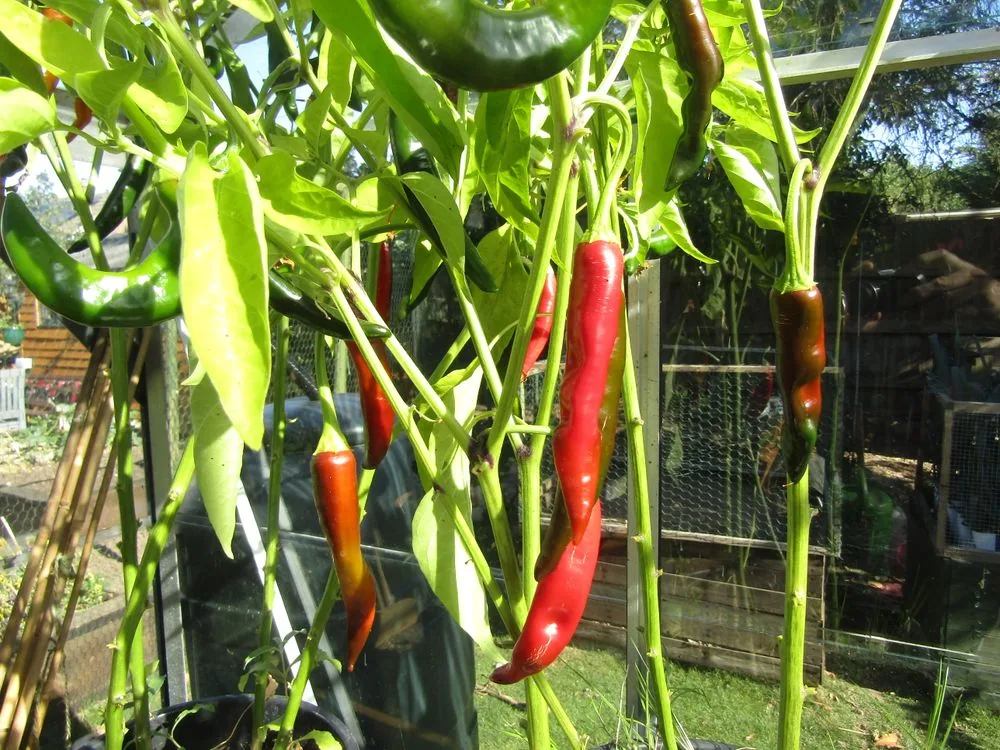
The chilli pepper is a bushy, warmth-loving plant from Central and South America, grown for its glossy fruits that ripen from green to red, orange, yellow or purple and range from mild to fiercely hot. Small white flowers appear in the leaf joints from early summer and each sets one hanging or upright fruit. In a cool climate it is grown in a pot in a greenhouse, on a sunny windowsill or against a warm, sheltered wall. It needs an early start, steady warmth and regular feeding, and one or two plants give more chillies than most kitchens use.
Capsicum annuum 'Cayenne'Capsicum annuum 'Jalapeño'Capsicum annuum 'Hungarian Hot Wax'
Light
Full sun and as much warmth as possible.
Water
Water regularly so that the compost stays evenly moist but never waterlogged. Plants in pots need water daily in hot weather.
Humidity
Not a factor outdoors. Under glass, dry air encourages red spider mite; damp down the floor in hot weather.
Soil
Fertile, free-draining potting compost in a pot of at least 5 litres, or good garden soil in a sheltered spot.
Temperature
Frost tender and slow below about 15°C. Grow it under glass, on a sunny windowsill or outside only in the warmest months.
Size
0.3-1m tall and 30-50cm wide.
Growth speed
Medium
!Toxic to pets
Toxic to cats and dogs if eaten.
Mostly mild mouth and stomach irritation.
If your pet has eaten some, contact your vet.
Source: RHS
Beginner tip
Sow early. Chillies need a long season: sow indoors in late winter in warmth, and the plants have time to flower and ripen fruit before autumn. A late sowing gives plenty of leaves and green fruits that never colour.
Care by Season
Spring
Pot on the seedlings, pinch out the tips and harden plants off for planting out after the last frost.
Summer
Flowering and fruiting. Water evenly, feed weekly and pick regularly.
Autumn
Ripen the last fruits under cover and pick everything before the first frost.
Winter
Sow in late winter in warmth. Overwintering plants rest, cut back and almost dry.
Growing & Maintenance
Planting
Move plants into their final pots or a sheltered, sunny bed after the last frost, once nights stay above about 10°C. Support taller plants with a cane.
Fertilising
Feed weekly with a high-potash liquid fertiliser from the time the first fruits set.
Pruning
Pinch out the growing tip at about 20cm for a bushier plant, and keep picking the fruit to encourage further flowering.
Propagation
By seed sown indoors in warmth in late winter.
Pests & Diseases
Common problems
Flowers drop without fruit
Most likely cause: Cold nights, great heat or uneven watering.
What to do: Keep the temperature and watering steady and help pollination indoors.
Fruits stay green
Most likely cause: A late sowing or the end of the season.
What to do: Bring the plant under cover to finish ripening, and sow earlier next year.
Dark, sunken patch at the tip of the fruit
Most likely cause: Blossom end rot, caused by irregular watering.
What to do: Water evenly; remove affected fruits.
Leaves curl and pucker
Most likely cause: Aphids, or cold draughts.
What to do: Check the undersides and move the plant somewhere warmer.
Pale leaves and slow growth
Most likely cause: Cold, or hungry compost.
What to do: Keep it above 15°C and feed regularly.
Pests & Diseases
Red spider mite
Signs: Fine pale speckling on the leaves and thin webbing, in hot, dry air under glass.
Treatment: Raise the humidity, rinse the foliage and ventilate well. Check the undersides of the leaves and the crevices where the leaf stem meets the main stalk.
Whitefly
Signs: Clouds of tiny white insects that fly up when the plant is touched, with sticky leaves.
Treatment: Hang yellow sticky traps and rinse the undersides of the leaves.
Aphids
Signs: Clusters of small insects on the shoot tips and under young leaves, with curled growth.
Treatment: Rinse them off or squash them early.
Grey mould
Signs: Fluffy grey mould on flowers, fruits and stems in cool, damp, still air.
Treatment: Remove affected parts, water in the morning and ventilate.
FAQ
When should I sow chillies?
Indoors from late winter to early spring, at around 20°C or more. Germination takes one to three weeks. Pot the seedlings on as they grow and keep them in the best light you have.
Why are the flowers dropping without setting fruit?
Cold nights, heat above about 30°C, dry compost or dry air all cause flower drop. Keep the watering even and ventilate in hot weather. Indoors, tap the stems or mist the open flowers to help pollination.
Should I pinch out the tips?
Yes. When the plant is about 20cm tall, pinch out the growing tip. It branches and carries more fruit.
When are chillies ripe?
You can pick them green or leave them to colour, which takes several more weeks and gives more sweetness and usually more heat. Keep picking to encourage more flowers.
Why are my chillies not hot?
Heat depends first on the variety. Within a variety, fruits are hotter when the plant has had plenty of sun and warmth and slightly less water as they ripen.
Can I keep the plant for next year?
Yes. It is a tender perennial. Cut it back in autumn, keep it frost free, bright and barely moist over winter, and repot in spring for an earlier crop.
Are chillies and sweet peppers the same plant?
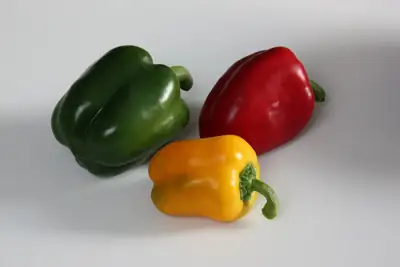
Most are the same species. Bell peppers are mild, thick-walled varieties of Capsicum annuum and are grown in exactly the same way.