No results. Is a plant missing? Tell uscontact@wikiplant.net
Chinese Juniper
Juniperus chinensis
Care level: Moderate
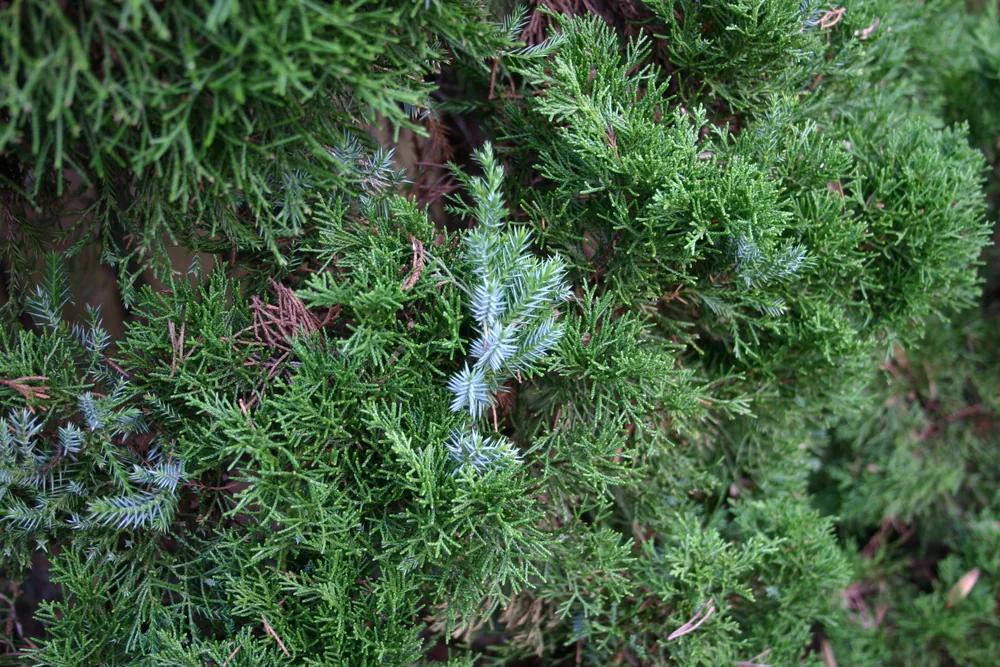
Chinese Juniper is one of the most widely grown bonsai species in the world, valued for foliage that can be wired and shaped into dense, cloud-like pads, and for a trunk that often develops striking silvery deadwood alongside living bark as the tree ages. Many of the most dramatic bonsai in exhibitions, with twisting trunks and bold deadwood features, are junipers trained over decades.
Full sun outdoors; needs strong light to keep foliage dense rather than sparse and leggy.
Water
Let the top of the soil dry slightly between waterings; dislikes constantly soggy soil far more than brief dryness.
Humidity
Not a controllable factor outdoors; naturally tolerant of dry air.
Soil
Very well-draining bonsai soil mix, akadama or a similar mineral-heavy blend works well.
Temperature
Fully hardy outdoors. Protect the roots of a potted tree from prolonged hard frost.
Size
A tree of 15-18m in the ground; kept small as a bonsai by pruning.
Common mistake
Watering on a fixed schedule rather than checking the soil is a frequent mistake with junipers; they want to dry out somewhat between waterings and are more likely to suffer from consistently soggy soil than from occasional dryness.
Care by Season
Spring
Strong growth period; a good time for wiring branches while they're still flexible.
Summer
Water regularly as soil dries faster in heat, and expect the fastest growth of the year.
Autumn
Growth slows; a good season for structural pruning and further wiring.
Winter
Fully hardy outdoors in most temperate climates; protect the roots in a pot from prolonged hard freezes.
Growing & Maintenance
Soil and pot
A very well-draining bonsai mix, such as akadama or a similar mineral-heavy blend.
Pruning
Do structural pruning in autumn. Wire branches in spring or autumn, while they are still flexible.
Propagation
From stem cuttings.
Pests & Diseases
Common problems
Widespread browning
Most likely cause: Roots that stayed too wet, or a root ball that dried out.
What to do: Check the soil before each watering and let the top dry slightly in between.
A few brown patches inside the tree
Most likely cause: Normal. Junipers shed old interior foliage.
What to do: Pick the dead foliage out to let light and air in.
Sparse, leggy foliage
Most likely cause: Too little sun.
What to do: Move it into full sun outdoors.
Dull, speckled foliage with fine webbing
Most likely cause: Spider mites.
What to do: Rinse the foliage regularly with a strong spray of water.
Orange growths on the branches in spring
Most likely cause: A rust disease that junipers share with apple trees.
What to do: Prune out the affected branches.
Pests & Diseases
Spider mites
Signs: Fine webbing and dull, stippled foliage, especially in hot, dry conditions.
Treatment: Rinse foliage regularly with a strong spray of water and apply miticide if it persists. Check the undersides of the leaves and the crevices where the leaf stem meets the main stalk.
Juniper scale
Signs: Small white or brown bumps along the stems.
Treatment: Scrape off and treat with horticultural oil, repeating as needed.
Root rot
Signs: Browning foliage and a soft, mushy root base from soil that stays too wet.
Treatment: Improve drainage immediately and let the soil dry out more between waterings.
FAQ
Can I keep a Chinese Juniper bonsai indoors?
No, not long-term, despite often being sold as 'indoor bonsai' in shops. Junipers are outdoor trees that need real seasonal changes and winter dormancy; kept indoors they typically decline over months and eventually die, even though the process can be slow enough to hide the cause.
Why are parts of my juniper turning brown and dry?
Isolated dead patches are often normal, junipers regularly shed old interior foliage, but widespread browning usually points to root problems from overwatering, or occasionally underwatering; check that the soil isn't staying constantly wet before assuming the worst.
How often should I water a Chinese Juniper bonsai?
When the top of the soil has dried slightly, not on a fixed schedule. It dislikes constantly soggy soil far more than a brief dry spell.
How much sun does a Chinese Juniper need?
It needs full sun outdoors. Without strong light the foliage becomes sparse and leggy.
When should I prune and wire a Chinese Juniper?
Do structural pruning in autumn, and wire in spring or autumn. The branches are easiest to shape while they are still flexible.
Can a Chinese Juniper stay outside in winter?
Yes, it is fully hardy in most temperate climates. Protect the roots of a potted tree from prolonged hard frost.