No results. Is a plant missing? Tell uscontact@wikiplant.net
Courgette
Cucurbita pepo
Care level: Easy
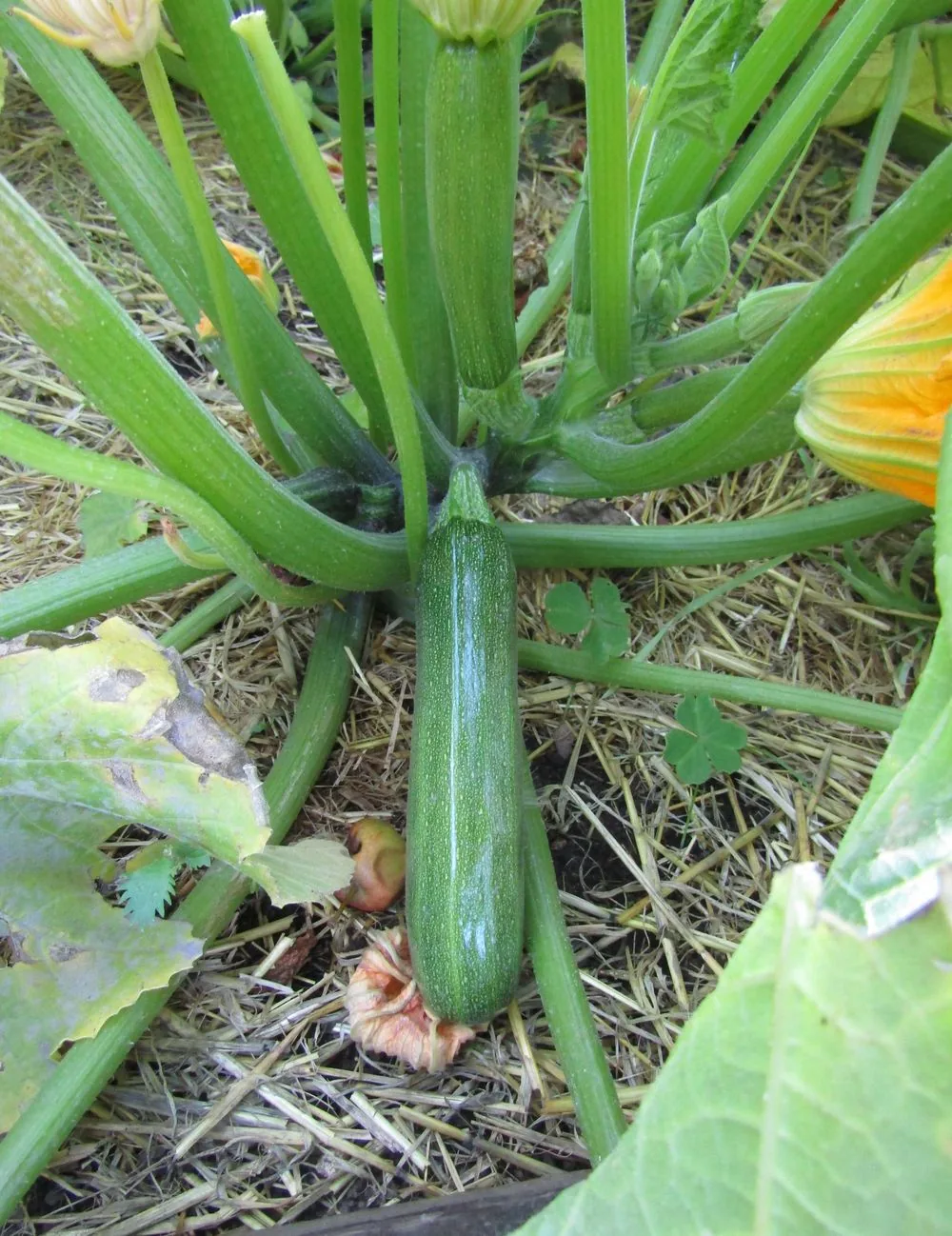
The courgette, or zucchini, is a fast, generous summer vegetable: a tender annual that grows from seed to first harvest in about two months. Each plant forms a mound of big, rough, often silver-splashed leaves on hollow stalks and opens large yellow flowers, male and female on the same plant. The fruits are picked young, at 10-15cm; left alone they swell into marrows within days. It needs rich soil, full sun, plenty of water and no frost, and two or three plants feed a household.
Water generously and regularly at the base, especially once flowering starts. Avoid wetting the leaves.
Humidity
Not a factor for this outdoor plant.
Soil
Rich, fertile, moisture-holding but well-drained soil with plenty of garden compost or well-rotted manure.
Temperature
Frost tender. Plant out only after the last frost and protect young plants on cold nights.
Size
Bush types fill about 1m each way; trailing types run much further.
Growth speed
Fast
?Pet safety not confirmed
As a precaution, keep it out of reach of children and pets.
Beginner tip
Pick small and pick often. A fruit left on the plant turns into a watery marrow and tells the plant to stop producing. Cut courgettes at 10-15cm, several times a week in high summer, and the plant keeps cropping until autumn.
Care by Season
Spring
Sow indoors in mid to late spring and harden off the young plants.
Summer
Plant out after the last frost. Water, feed and harvest several times a week.
Autumn
Cropping slows as nights cool, and the first frost ends the season. Clear the plants.
Winter
Nothing to do. Dig compost into next year's planting spot.
Growing & Maintenance
Planting
Plant out after the last frost, about 90cm apart, into soil enriched with a bucket of compost per plant. Planting on a slight mound helps water drain from the stem.
Fertilising
Feed every 10-14 days with a high-potash liquid fertiliser once the first fruits start to form.
Pruning
No pruning is needed. Remove old, mildewed leaves at the base to let air in.
Propagation
By seed, sown fresh each year.
Pests & Diseases
Common problems
Only male flowers
Most likely cause: Early in the season, or cool weather.
What to do: Wait; female flowers follow.
Small fruits rot from the tip
Most likely cause: Poor pollination in cool, wet weather.
What to do: Remove them; hand-pollinate if it continues.
White powdery leaves
Most likely cause: Powdery mildew, encouraged by dry roots.
What to do: Water more at the base and remove the worst leaves.
Fruits turn into marrows
Most likely cause: Harvesting too seldom.
What to do: Pick at 10-15cm, several times a week.
Mottled, puckered leaves and knobbly fruits
Most likely cause: Cucumber mosaic virus.
What to do: Remove and destroy the plant; choose a resistant variety next time.
Leaves wilt in the afternoon
Most likely cause: Thirst in hot weather.
What to do: Water deeply in the morning and mulch.
Pests & Diseases
Slugs and snails
Signs: Seedlings and young plants eaten to stumps, and scraped fruits.
Treatment: Plant out sturdy, well-grown plants, protect them at first and pick slugs off in the evening.
Powdery mildew
Signs: A white powdery coating on the leaves from midsummer, worst on dry soil.
Treatment: Water generously at the base, mulch and remove the worst leaves. Plants usually keep cropping.
Grey mould
Signs: Fluffy grey mould on fading flowers and young fruits in cool, damp weather.
Treatment: Remove affected flowers and fruits and give the plants more space and air.
Aphids
Signs: Clusters of small insects under the leaves; mottled yellow, puckered leaves can follow, as they spread virus.
Treatment: Rinse or rub them off early and remove plants with mottled, stunted growth.
FAQ
When should I sow courgettes?
Sow indoors in mid to late spring, one seed on its edge about 1.5cm deep per pot, and plant out after the last frost once hardened off. You can also sow directly outside from late spring when the soil is warm.
Why do I have flowers but no fruit?
The first flowers are often all male, on thin stalks. Female flowers, with a tiny courgette behind the petals, follow as the weather warms. Be patient; the plant sorts itself out.
Why are the small fruits rotting at the tip?
Poor pollination, usually in cool or wet weather when few insects are flying. Remove the affected fruits. Later ones set normally, or you can hand-pollinate by pressing a male flower into a female one.
My courgettes taste bitter. Can I eat them?
No. Throw away any bitter fruit and do not feed it to pets. Bitterness signals natural toxins that can cause stomach upset. It is rare and is more likely with home-saved seed, so grow from bought seed.
How many plants do I need?
Two or three are plenty for a family. Each plant gives several fruits a week at its peak.
Can I grow courgettes in a pot?
Yes, one plant per large container of at least 40 litres, in full sun. Water daily in warm weather and feed weekly once fruits form.
Can you eat the flowers?
Yes. Both male and female flowers are edible and are often stuffed or fried. Use the male ones once a few have opened, so that the fruits still get pollinated.