No results. Is a plant missing? Tell uscontact@wikiplant.net
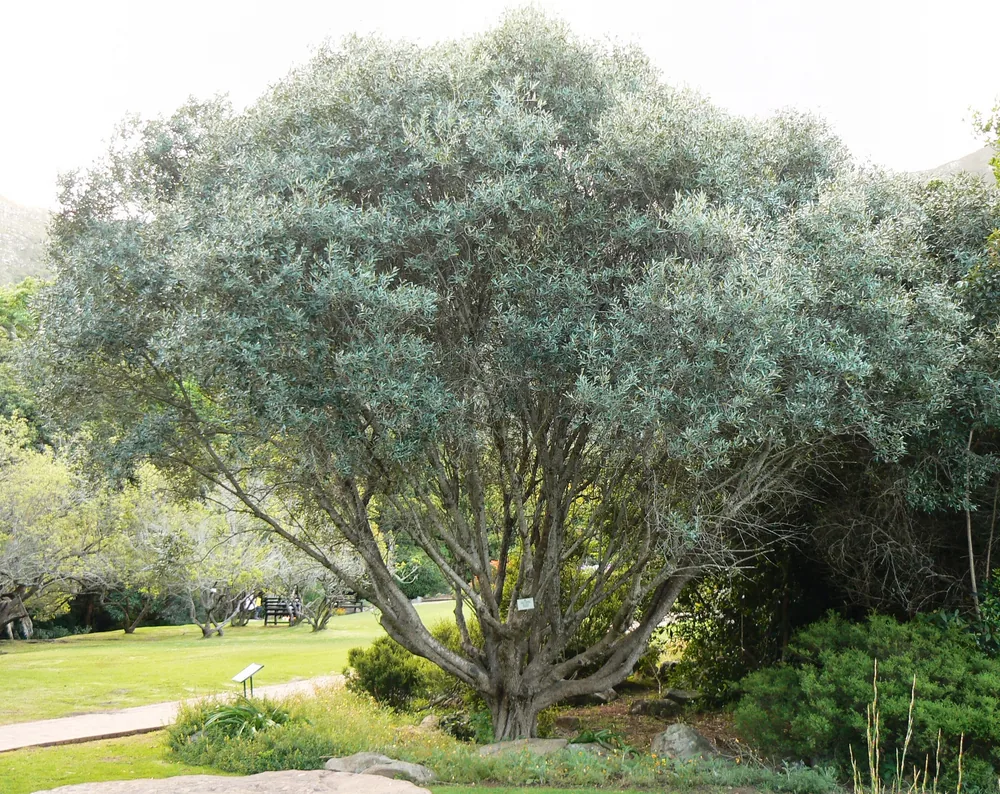
Dwarf Olive Tree
Olea europaea
Care level: Easy
Olea europaea is one of the longest-lived cultivated trees on earth, with some Mediterranean specimens estimated at well over a thousand years old, and its dwarf container-grown descendants carry that same slow, tough resilience, tolerating drought, neglect, and heavy pruning far better than most flowering houseplants.
Needs full sun, at least 6 hours of direct light daily, to stay healthy and compact.
Water
Very drought-tolerant once established; let soil dry out between waterings, roughly every 1-2 weeks.
Humidity
Prefers dry, well-ventilated air and tolerates low indoor humidity.
Soil
Very well-draining, sandy or loamy potting mix.
Temperature
Keep potted trees frost-free. About two months at 4-10°C in winter are needed for flowering.
Growth speed
Slow
Best position
south-east / south / south-west-facing windowanywhere up to about 1 m from the window
east / west-facing windowright by the window
See every window directionHide window directions
Best position
right by the window
about 1 m
about 2 m
about 4 m
4 m or more
north
too dark○
too dark○
too dark○
too dark○
too dark○
north-east
too dark○
too dark○
too dark○
too dark○
too dark○
east
works well✓
too dark○
too dark○
too dark○
too dark○
south-east
works well✓
works well✓
too dark○
too dark○
too dark○
south
works well✓
works well✓
too dark○
too dark○
too dark○
south-west
works well✓
works well✓
too dark○
too dark○
too dark○
west
works well✓
too dark○
too dark○
too dark○
too dark○
north-west
too dark○
too dark○
too dark○
too dark○
too dark○
✓works well~just about○too dark☼too much direct sun
A rough guide based on window direction and typical daylight through the year. Window size, curtains and whatever stands outside matter just as much.
?Pet safety not confirmed
As a precaution, keep it out of reach of children and pets.
Common mistake
A frequent disappointment is expecting a Dwarf Olive Tree to fruit indoors, most container olives, especially ornamental cultivars like 'Little Ollie,' rarely flower or fruit without a real winter chill period and long hours of direct outdoor sun, conditions typical windowsills simply can't provide.
Care by Season
Spring
Resume watering as needed and begin light feeding as new growth appears.
Summer
Move outdoors to full sun if possible and water when soil is dry.
Autumn
Bring back indoors before the first frost and reduce feeding.
Winter
Water sparingly, provide the brightest available light, and keep cool but frost-free.
Growing & Maintenance
Soil and pot
A very well-draining, sandy or loamy potting mix in a pot with drainage holes.
Fertilising
A light feed in spring and summer, as new growth appears. Reduce in autumn.
Pruning
Trim lightly in spring to keep the shape and let light into the crown.
Propagation
From semi-ripe cuttings, or from seed.
Pests & Diseases
Common problems
No olives
Most likely cause: No cool winter rest, too little sun, or no second variety for pollination.
What to do: Give it full sun and a cool, bright winter. Many varieties need a partner tree, and some never fruit.
Leaves dropping indoors in winter
Most likely cause: Too little light in a warm room.
What to do: Move it to the brightest, coolest frost-free spot you have.
Yellow leaves and wet compost
Most likely cause: Root rot from poor drainage.
What to do: Improve the drainage, water less often and trim the rotten roots.
Sparse, leggy growth
Most likely cause: Too little direct sun.
What to do: Give it at least six hours of direct sun a day, outdoors in summer if you can.
Dry, curling leaves
Most likely cause: The pot has been dry for too long.
What to do: Water thoroughly, then let the compost dry between waterings as usual.
Pests & Diseases
Scale insects
Signs: Small brown bumps on stems and leaves with sticky honeydew
Treatment: Scrape off and wipe with rubbing alcohol; apply horticultural oil for larger infestations.
Olive fruit fly
Signs: Small puncture marks and larvae inside developing fruit
Treatment: Use pheromone traps and remove infested fruit promptly.
Root rot
Signs: Yellowing leaves and soft roots from consistently wet soil
Treatment: Improve drainage, reduce watering frequency, and trim away rotten roots if repotting.
FAQ
Why doesn't my Dwarf Olive Tree ever produce olives?
Fruiting olives generally need a genuine cool winter dormancy period plus many hours of strong direct sun, conditions that are hard to replicate indoors; many popular dwarf cultivars are also selected purely for ornamental foliage rather than fruit production.
How long can a Dwarf Olive Tree actually live?
Given its wild relatives are famous for living over a thousand years, a well-cared-for potted olive tree can realistically live and be repotted for many decades, making it one of the more genuinely long-term houseplant investments available.
How often should I water a Dwarf Olive Tree?
Roughly every 1-2 weeks, once the compost has dried out. It is drought-tolerant once established, but a tree in a pot still needs regular water in summer.
Can a Dwarf Olive Tree live indoors all year?
It can, but it does much better outdoors in full sun in summer. Bring it in before the first frost and keep it cool and bright through winter.
How fast does an olive tree grow?
Slowly. That makes it well suited to a pot, where it keeps its size for years.
How do I propagate an olive tree?
From semi-ripe cuttings taken in summer, or from seed. Cuttings keep the characteristics of the parent tree.