No results. Is a plant missing? Tell uscontact@wikiplant.net
Ficus Retusa
Ficus microcarpa
Care level: Easy
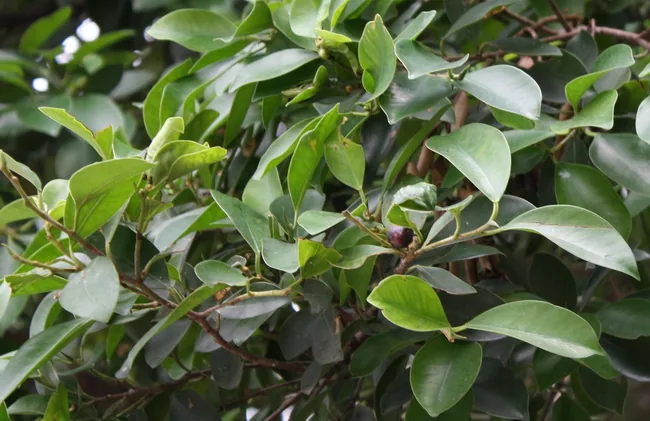
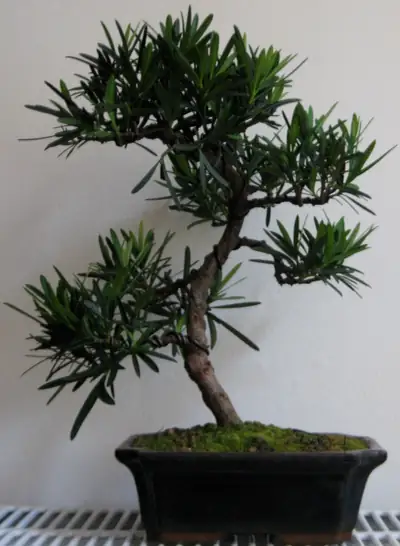
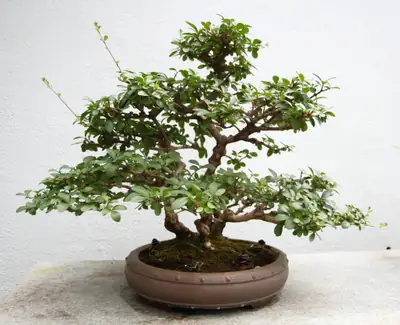
Ficus Retusa, also called Chinese Banyan, is one of the most widely sold indoor bonsai in the world thanks to its tolerance of typical home conditions and its striking aerial roots, which mature specimens send down from their branches to eventually thicken into secondary trunks. Its glossy, oval leaves and naturally smooth gray bark make it forgiving of aggressive pruning, which is part of why beginners are often steered toward it first.
Bright light, ideally with some direct sun; tolerates lower light better than most bonsai but grows sparser.
Water
Water when the top of the soil is dry; fairly forgiving of both slight over- and underwatering once established.
Humidity
Prefers moderate to high humidity; dry indoor air can encourage leaf drop.
Soil
Well-draining bonsai soil mix; adapts to a range of soil types.
Temperature
Warm: it suits rooms that stay above 20°C all year. No frost.
Best position
south-east / south-facing windowanywhere up to about 1 m from the window
east / west-facing windowright by the window
south-west-facing windowabout 1 m from the window or further back
Watch for strong direct sun at south-west windows.
See every window directionHide window directions
Best position
right by the window
about 1 m
about 2 m
about 4 m
4 m or more
north
too dark○
too dark○
too dark○
too dark○
too dark○
north-east
too dark○
too dark○
too dark○
too dark○
too dark○
east
works well✓
too dark○
too dark○
too dark○
too dark○
south-east
works well✓
works well✓
too dark○
too dark○
too dark○
south
works well✓
works well✓
too dark○
too dark○
too dark○
south-west
just about~
works well✓
too dark○
too dark○
too dark○
west
works well✓
too dark○
too dark○
too dark○
too dark○
north-west
too dark○
too dark○
too dark○
too dark○
too dark○
✓works well~just about○too dark☼too much direct sun
A rough guide based on window direction and typical daylight through the year. Window size, curtains and whatever stands outside matter just as much.
!Toxic to pets
Toxic to cats and dogs if eaten.
Mostly mild mouth and stomach irritation.
If your pet has eaten some, contact your vet.
Source: ASPCA
Did you know?
In the wild, Ficus Retusa sends down aerial roots that thicken over decades into secondary trunks, eventually forming the sprawling, multi-trunked 'banyan' habit the species is named for; some bonsai growers deliberately train these aerial roots downward into the soil to recreate that look in miniature.
Care by Season
Spring
Strong growth resumes; a good time for pruning and wiring as new shoots harden slightly.
Summer
Water regularly and feed every few weeks during the main growth period.
Autumn
Growth slows; reduce feeding as the plant prepares for a slower winter period.
Winter
Keep indoors away from cold drafts and heating vents; water less often as growth slows.
Growing & Maintenance
Soil and pot
A well-draining bonsai mix rich in organic matter, kept moist but never waterlogged.
Fertilising
Feed every few weeks through the main growth period in summer. Reduce in autumn.
Pruning
Prune and wire in spring and summer, once the new shoots have hardened slightly. The cut stems bleed a milky sap, so wear gloves.
Propagation
From stem cuttings, rooted in water or in a sandy potting mix.
Pests & Diseases
Common problems
Leaves dropping after a move
Most likely cause: A reaction to a change in light, temperature or position.
What to do: Keep it in one place. New leaves follow within a few weeks.
Leaves dropping in winter
Most likely cause: Dry heated air or a cold draught.
What to do: Raise the humidity and move it away from heating vents and draughty windows.
Sparse growth with long gaps between leaves
Most likely cause: Too little light.
What to do: Give it bright light, ideally with some direct sun.
Yellow leaves and wet soil
Most likely cause: Root rot from overwatering.
What to do: Take it out of the wet soil, trim the affected roots and repot in fresh, free-draining mix.
Spots or grey mould on the leaves
Most likely cause: A fungal disease, encouraged by damp, still air.
What to do: Remove the affected leaves and give the tree more air.
Pests & Diseases
Scale insects
Signs: Small brown bumps along stems and leaf undersides.
Treatment: Scrape off and wipe with rubbing alcohol or treat with horticultural oil.
Spider mites
Signs: Fine webbing and stippled, dull leaves, especially in dry indoor air.
Treatment: Increase humidity, rinse foliage, and apply insecticidal soap if needed. Check the undersides of the leaves and the crevices where the leaf stem meets the main stalk.
Root rot
Signs: Soft, blackened roots and yellowing leaves from soil that stays too wet.
Treatment: Remove from wet soil, trim affected roots, and repot in fresh, well-draining mix.
FAQ
Why does my Ficus Retusa drop leaves after I move it?
Ficus species are notoriously sensitive to changes in light, temperature, or location and often drop a portion of their leaves in response, even to a fairly small change; this is usually a temporary stress reaction, and new leaves typically regrow within a few weeks once the plant settles.
Can I keep Ficus Retusa outdoors?
Only in frost-free, warm climates year-round; it's tropical and won't tolerate cold outdoor winters the way most classic bonsai species do, which is exactly why it's one of the few genuinely suited to being grown as a houseplant.
Is Ficus Retusa toxic to cats and dogs?
Yes, Ficus Retusa is toxic to cats and dogs. Its milky sap is a mild irritant. Wear gloves when pruning and keep clippings away from pets.
How often should I water a Ficus Retusa bonsai?
When the top of the soil is dry. It forgives slight over- and underwatering once established, but soil that stays wet rots the roots. Water less in winter.
When should I prune a Ficus Retusa?
In spring and summer, when it is growing strongly. Trim the new shoots back to keep the shape, and do any heavier pruning in spring.
How do I propagate a Ficus Retusa?
From stem cuttings. They root in a glass of water or in a sandy potting mix.