No results. Is a plant missing? Tell uscontact@wikiplant.net
Ginkgo
Ginkgo biloba
Care level: Easy
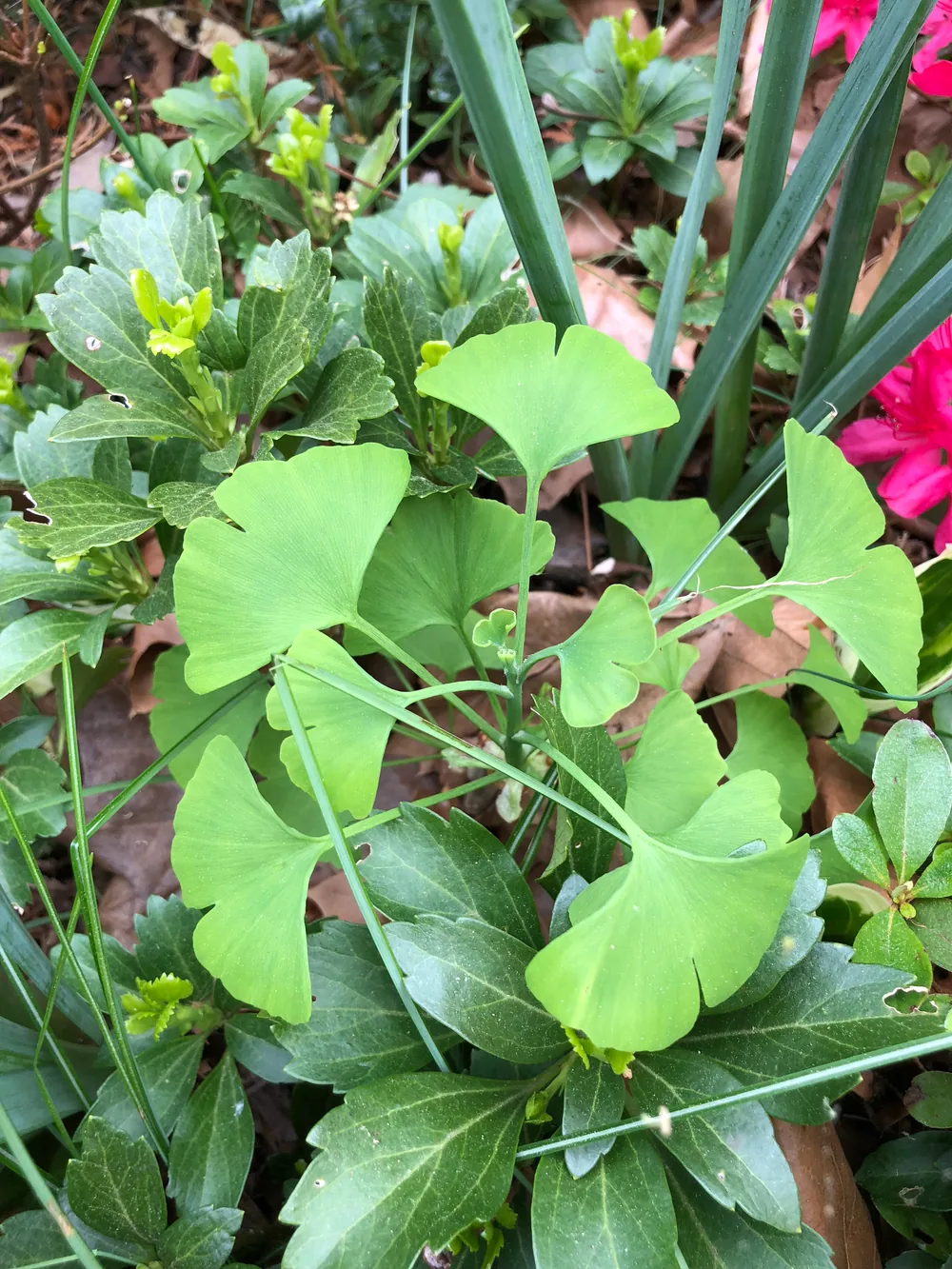
Ginkgo biloba is often called a living fossil since it's the last surviving species of a tree family that dates back over 200 million years, with fan-shaped leaves unlike any other tree on earth. It's also famously tough, individual ginkgos have survived pollution, disease, and even the atomic bombing of Hiroshima, which is part of why it's such a forgiving, long-lived choice for bonsai.
Full sun outdoors for the densest foliage and best golden autumn color.
Water
Water when the top of the soil starts to dry; established trees tolerate brief dry spells better than most bonsai species.
Humidity
Not a controllable factor outdoors; adapts to a wide range of climates.
Soil
Standard well-draining bonsai soil mix; not particular about pH.
Temperature
Fully hardy, and it needs winter cold. Protect the roots of a potted tree from hard frost.
Size
A tree of 15-24m in the ground; kept small as a bonsai by pruning.
Growth speed
Medium
Did you know?
Ginkgo trees are either male or female, and only female trees produce the notoriously foul-smelling fruit; nurseries almost always propagate and sell male cultivars specifically to avoid it, so a bonsai grown from a named cultivar is very unlikely to ever produce fruit.
Care by Season
Spring
New fan-shaped leaves emerge on both long shoots and short spurs; resume feeding as growth begins.
Summer
Water regularly and enjoy steady growth; Ginkgo handles summer heat well.
Autumn
Leaves turn a brilliant uniform gold before dropping, often within just a few days.
Winter
Fully dormant and leafless; needs real winter cold outdoors, protect the roots in a pot from hard freezes only.
Growing & Maintenance
Soil and pot
A standard, well-draining bonsai mix. It is not particular about pH.
Fertilising
Start feeding in spring, as the new leaves emerge.
Pests & Diseases
Common problems
Long shoots with little branching
Most likely cause: Normal. Ginkgo makes long, sparse shoots, especially when young.
What to do: Be patient. Branching comes with age.
All the leaves turning gold and dropping within days
Most likely cause: Normal in autumn.
What to do: Nothing to do. The tree is going dormant.
Leaves yellowing in summer
Most likely cause: Soil that stays too wet, which leads to root rot.
What to do: Improve the drainage and let the surface dry slightly between waterings.
Spots on the leaves
Most likely cause: Leaf spot, which is rarely serious.
What to do: Remove the affected leaves and improve the airflow.
Weak growth indoors
Most likely cause: No cold winter. It cannot go dormant properly.
What to do: Keep it outdoors all year.
Pests & Diseases
Root rot
Signs: Yellowing leaves and soft roots from soil that stays waterlogged.
Treatment: Improve drainage and let the soil surface dry slightly between waterings.
Scale insects
Signs: Small brown bumps along stems.
Treatment: Scrape off and treat with horticultural oil.
Leaf spot
Signs: Small brown or black spots on leaves, usually cosmetic.
Treatment: Remove affected leaves and improve airflow; rarely serious enough to need chemical treatment.
FAQ
Can I keep a Ginkgo bonsai indoors?
No, not long-term. Ginkgo is fully deciduous and needs a genuine cold winter outdoors to go dormant properly; without it, the tree weakens over time rather than thriving.
Why is my Ginkgo bonsai so slow to branch out?
Ginkgo naturally grows with long, sparse shoots before it starts branching more, especially when young; regular pruning of the growing tips encourages back-budding and a fuller, more developed silhouette over a few years.
How often should I water a Ginkgo bonsai?
When the top of the soil starts to dry. An established tree tolerates a brief dry spell, but it does not like wet soil.
How much sun does a Ginkgo need?
It needs full sun outdoors. That gives the densest foliage and the best golden autumn colour.
When does a Ginkgo turn yellow?
In autumn. The leaves turn a uniform golden yellow and often drop within just a few days.
How do I overwinter a Ginkgo bonsai?
Outdoors, since it needs real winter cold while it is leafless. Protect the roots in the pot from hard frost.