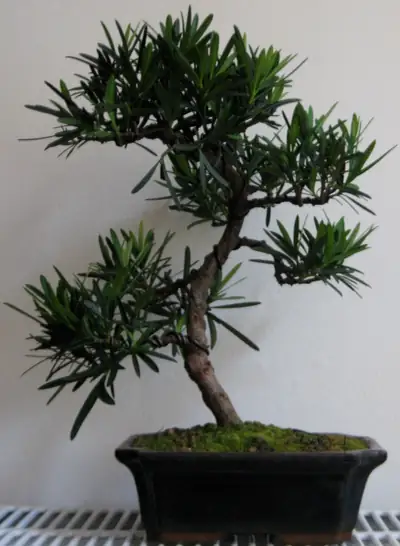
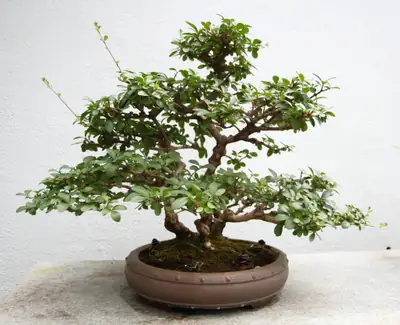
No results. Is a plant missing? Tell uscontact@wikiplant.net
Japanese Black Pine
Pinus thunbergii
Care level: Moderate
Japanese Black Pine is one of the most revered bonsai species in Japan, prized for its thick, deeply fissured dark bark, stiff paired dark-green needles, and a vigorous growth habit that responds well to the shaping techniques bonsai artists rely on. Along with pines more broadly, it's considered one of the classic 'big three' bonsai species alongside junipers and maples, and mature specimens trained over generations are among the most valuable bonsai in the world.
Full sun; needs as much direct light as possible to keep growth compact and needles short, especially important for bonsai.
Water
Let the soil dry slightly between waterings; very well-draining soil is essential since pine roots are prone to rot in soil that stays wet.
Humidity
Not a controllable factor outdoors; tolerates dry air and even salt-laden coastal wind well.
Soil
Coarse, mineral, very free-draining bonsai soil, such as akadama with pumice and lava rock.
Temperature
Fully hardy, and it needs winter cold. Protect the roots of a potted tree from prolonged hard frost.
Size
A tree of 6-18m in the ground; kept small as a bonsai by pruning.
Growth speed
Medium
Signature technique
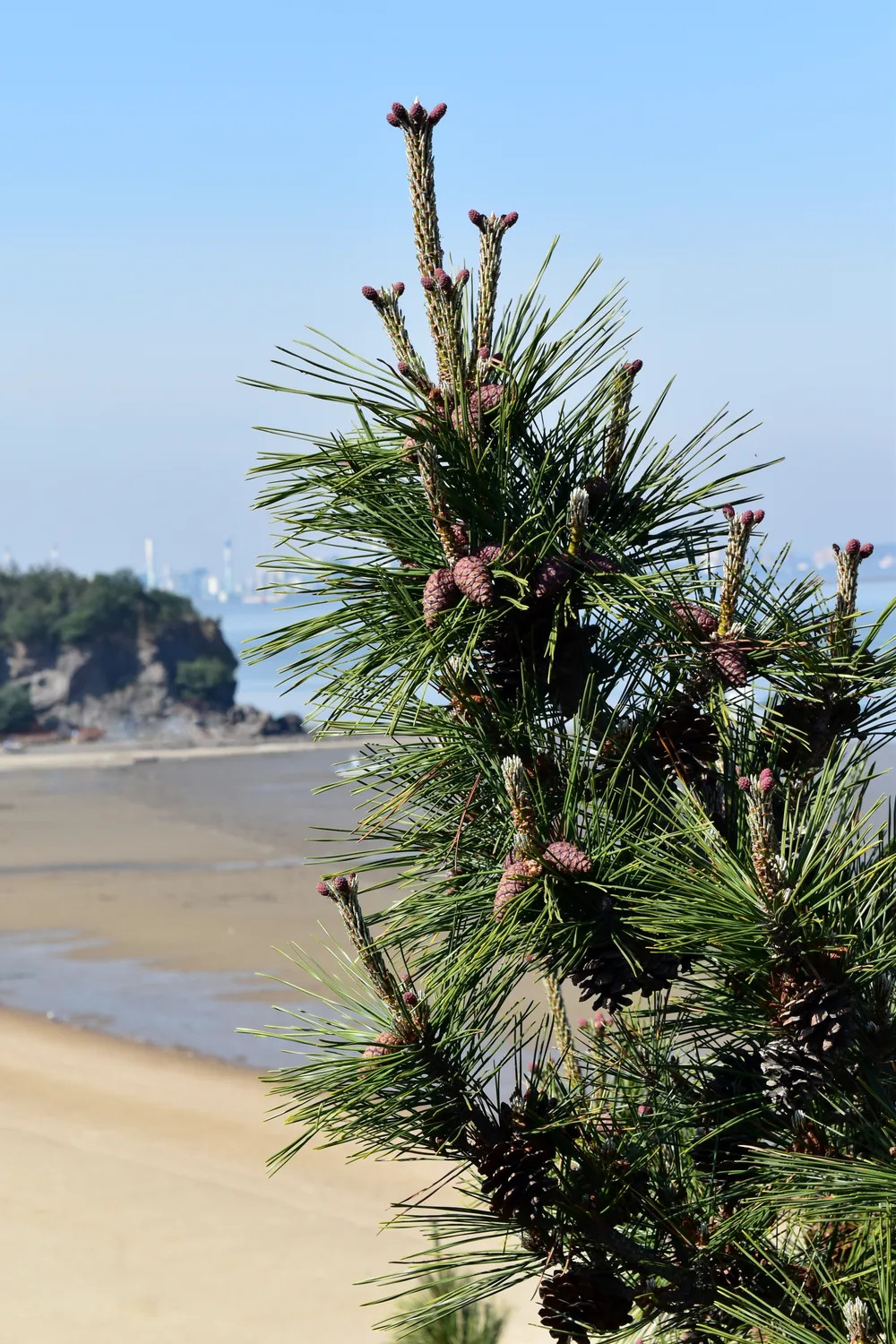
Each spring Japanese Black Pine sends up new shoots called 'candles.' Cutting these back in early summer, a technique called decandling, is what produces the dense, short-needled growth bonsai artists want; skipping it leads to long, sparse shoots and coarser growth instead.
Care by Season
Spring
New shoots ('candles') emerge and elongate; a strong growth period, and the base for the summer decandling technique.
Summer
In early summer, established trees are typically decandled to encourage a shorter, denser second flush of growth; water regularly as the soil dries faster in heat.
Autumn
Growth slows; older needles can be thinned or plucked to let light reach inner branches and encourage back budding.
Winter
Fully hardy and needs real winter cold to stay healthy; protect the roots in a pot from prolonged hard freezes.
Growing & Maintenance
Soil and pot
A coarse, mineral, very free-draining bonsai soil, such as akadama with pumice and lava rock.
Pruning
On an established tree, cut back the new candles in early summer for a shorter, denser second flush. Thin older needles in autumn.
Pests & Diseases
Common problems
Long needles and leggy growth
Most likely cause: Too little direct sun.
What to do: Give it as much direct sun as possible.
Yellowing needles and a tree that stays wet
Most likely cause: Root rot in soil that drains poorly.
What to do: Improve the drainage at once and let the soil dry slightly between waterings.
White flecks on the needles
Most likely cause: Pine needle scale.
What to do: Scrape off what you can see and treat with horticultural oil.
Dull, speckled needles with fine webbing
Most likely cause: Spider mites.
What to do: Rinse the foliage regularly with a strong spray of water.
Older inner needles yellowing in autumn
Most likely cause: Normal. Pines shed their oldest needles.
What to do: Pluck them out to let light reach the inner branches.
Pests & Diseases
Pine needle scale
Signs: Small white, oval bumps along the needles, often with sooty mould developing on sticky residue.
Treatment: Scrape off visible scale and treat with horticultural oil, repeating as needed through the season.
Spider mites
Signs: Fine webbing and dull, yellowing needles, especially in hot, dry weather.
Treatment: Rinse foliage with a strong spray of water regularly and apply miticide if it persists. Check the undersides of the leaves and the crevices where the leaf stem meets the main stalk.
Root rot
Signs: Yellowing needles and a soft, mushy root base from soil that stays too wet.
Treatment: Improve drainage immediately and let the soil dry out more between waterings.
FAQ
Can I keep a Japanese Black Pine bonsai indoors?
No. Like other pines, it's an outdoor tree that needs full sun and real winter cold to stay healthy; indoors it weakens over time from insufficient light and lack of dormancy, even if the decline takes months to become obvious.
What is candle pruning, or decandling?
It's the practice of cutting back the new spring shoots ('candles') partway or fully in early summer, which forces the tree to push a second, shorter flush of growth with shorter needles, better suited to bonsai proportions. It's usually done on established, healthy trees rather than young seedlings still being developed.
How often should I water a Japanese Black Pine bonsai?
When the soil has dried slightly, not before. Pine roots rot easily in soil that stays wet.
How much sun does a Japanese Black Pine need?
It needs full sun, as much direct light as possible. That keeps the growth compact and the needles short.
When should I thin the needles on a Japanese Black Pine?
In autumn, when growth slows. Thinning the older needles lets light reach the inner branches.
How do I overwinter a Japanese Black Pine bonsai?
Outdoors. It is fully hardy and needs real winter cold, but protect the roots in the pot from prolonged hard frost.