No results. Is a plant missing? Tell uscontact@wikiplant.net
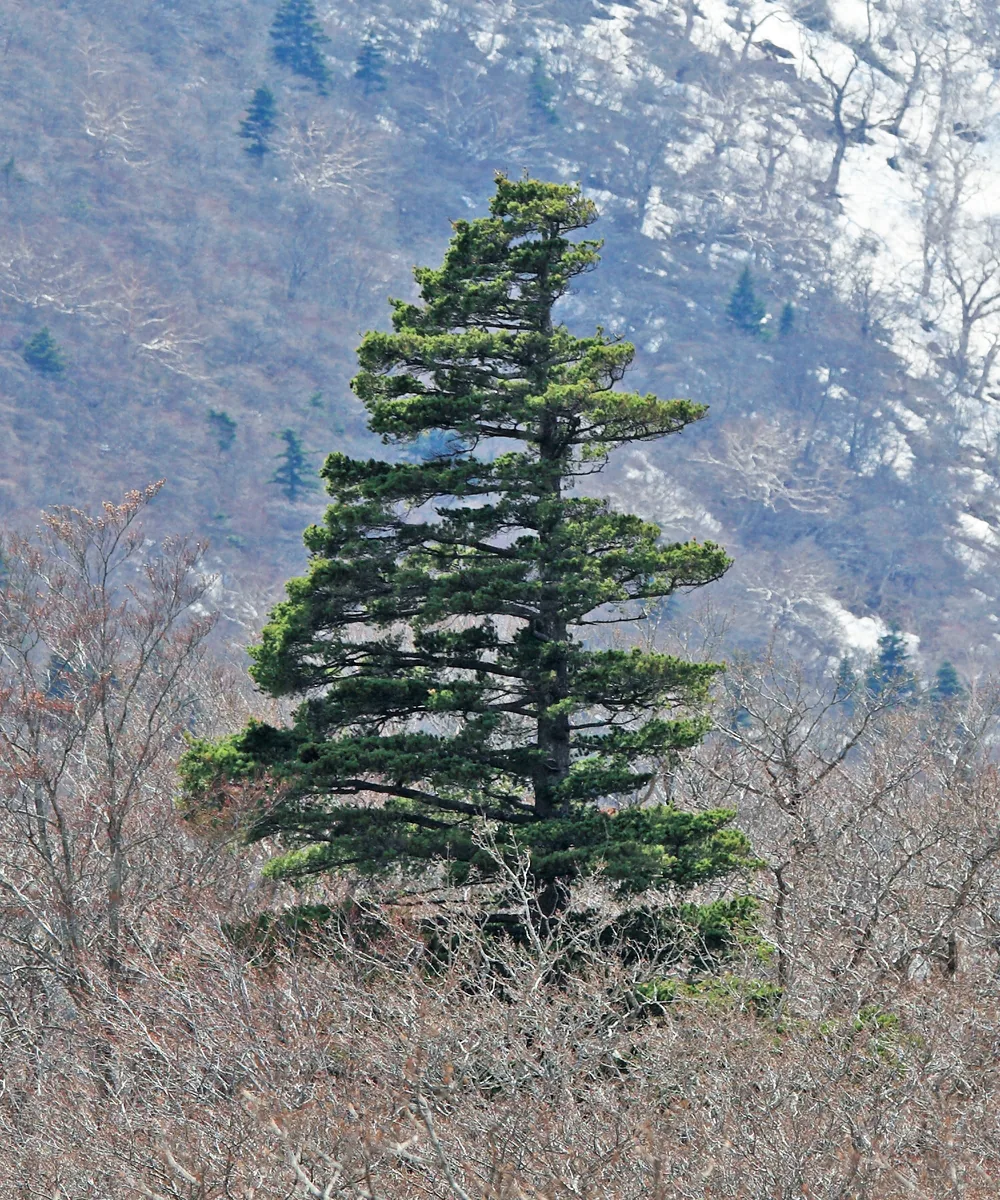
Japanese White Pine
Pinus parviflora
Care level: Hard
Japanese White Pine, also called Five-Needle Pine for its bundles of five soft, silvery-blue needles, is among the most prestigious bonsai species in Japan; some of the oldest and most treasured bonsai in the country, passed down through generations, are Japanese White Pines. It's more delicate and slower-growing than Japanese Black Pine, prized for a softer, more refined look rather than the black pine's bold, rugged character.
Full sun; needs strong light to keep growth compact and avoid weak, leggy branches.
Water
Let the soil dry slightly between waterings; very well-draining soil is essential, as the roots are sensitive to rot in soil that stays wet.
Humidity
Not a controllable factor outdoors; tolerates dry air well once established.
Soil
Coarse, mineral, very free-draining bonsai soil, such as akadama with pumice and lava rock.
Temperature
Fully hardy, and it needs winter cold. It prefers cool summers. Protect the roots of a potted tree from prolonged hard frost.
Size
A tree of 6-15m in the ground; kept small as a bonsai by pruning.
Growth speed
Slow
Common mistake
Treating a Japanese White Pine like a Black Pine is a common mistake: unlike black pine, white pine grows less vigorously and doesn't respond well to the same aggressive decandling; over-thinning or removing too many candles can seriously weaken the tree instead of encouraging fine growth.
Care by Season
Spring
New candles emerge; a good time to selectively remove or shorten some candles to balance vigor across the tree, a gentler technique than black pine's full decandling.
Summer
Needles from the current year mature; avoid heavy pruning during the hottest part of summer, when the tree is under the most stress.
Autumn
Growth slows; older interior needles can be thinned to let light reach inner branches and encourage back budding.
Winter
Fully hardy and needs real winter cold to stay healthy; protect the roots in a pot from prolonged hard freezes.
Growing & Maintenance
Soil and pot
A coarse, mineral, very free-draining bonsai soil, such as akadama with pumice and lava rock.
Pruning
In spring, shorten or remove some of the new candles to balance the vigour. Thin older needles in autumn, and avoid heavy pruning in the hottest part of summer.
Pests & Diseases
Common problems
Weak, leggy branches
Most likely cause: Too little sun.
What to do: Move it into full sun.
Yellowing needles and soil that stays wet
Most likely cause: Root rot. The roots are sensitive to wet soil.
What to do: Improve the drainage at once and let the soil dry slightly between waterings.
White flecks on the needles
Most likely cause: Pine needle scale.
What to do: Scrape off what you can see and treat with horticultural oil.
Dull, speckled needles with fine webbing
Most likely cause: Spider mites.
What to do: Rinse the foliage regularly with a strong spray of water.
Older inner needles yellowing in autumn
Most likely cause: Normal. Pines shed their oldest needles.
What to do: Thin them out to let light reach the inner branches.
Pests & Diseases
Pine needle scale
Signs: Small white, oval bumps along the needles, often with sooty mould developing on sticky residue.
Treatment: Scrape off visible scale and treat with horticultural oil, repeating as needed through the season.
Spider mites
Signs: Fine webbing and dull, yellowing needles, especially in hot, dry weather.
Treatment: Rinse foliage with a strong spray of water regularly and apply miticide if it persists. Check the undersides of the leaves and the crevices where the leaf stem meets the main stalk.
Root rot
Signs: Yellowing needles and a soft, mushy root base from soil that stays too wet.
Treatment: Improve drainage immediately and let the soil dry out more between waterings.
FAQ
Can I keep a Japanese White Pine bonsai indoors?
No. Like other pines, it's an outdoor tree that needs full sun and real winter cold to stay healthy; indoors it weakens over time from insufficient light and lack of dormancy.
Why is my Japanese White Pine grafted onto a different-looking trunk?
It's common for Japanese White Pine bonsai, especially prized cultivars, to be grafted onto Black Pine rootstock, which is more vigorous and establishes more reliably; over time the graft union usually becomes hard to notice as the tree matures.
How often should I water a Japanese White Pine bonsai?
When the soil has dried slightly. The roots are sensitive to wet soil, so very free-draining soil matters more than frequent watering.
How much sun does a Japanese White Pine need?
It needs full sun. Strong light keeps the growth compact and prevents weak, leggy branches.
Should I prune a Japanese White Pine like a Black Pine?
No. It grows less vigorously, so only shorten or remove some of the candles in spring to balance the tree.
How do I overwinter a Japanese White Pine bonsai?
Outdoors. It is fully hardy and needs real winter cold, but protect the roots in the pot from prolonged hard frost.