No results. Is a plant missing? Tell uscontact@wikiplant.net
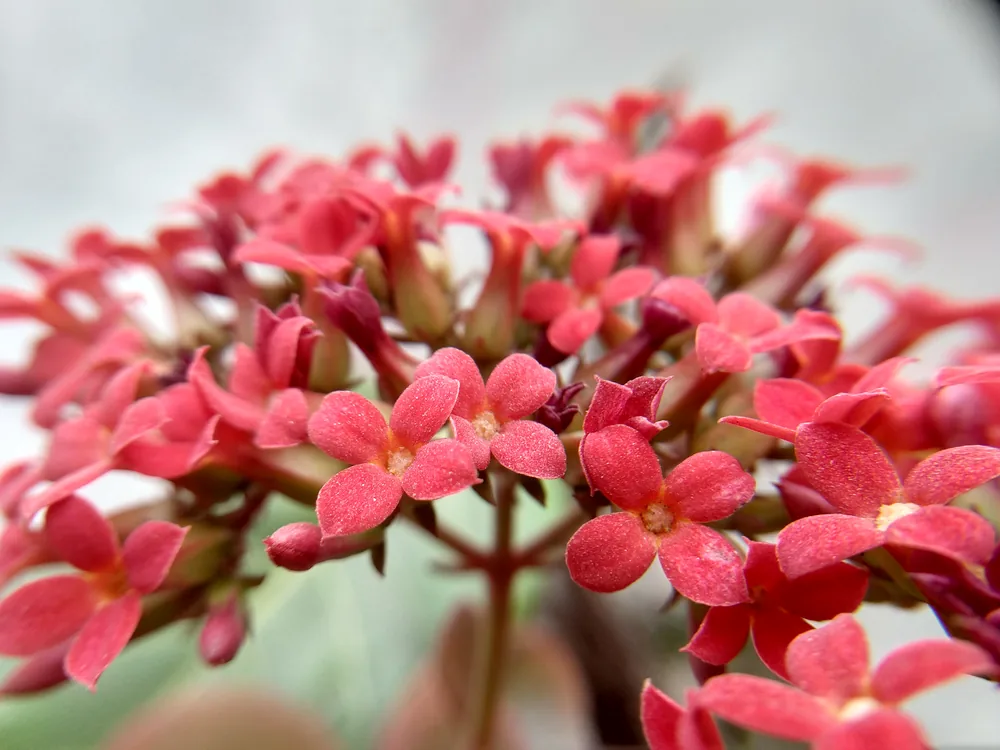
Flaming Katy
Kalanchoe blossfeldiana
Care level: Easy
Kalanchoe blossfeldiana is a short-day plant from Madagascar, meaning it only sets flower buds once nights grow long enough and uninterrupted enough, which is exactly why the vividly colored flower clusters sold in shops tend to appear in winter and why a plant that seems to bloom only once often just needs a stretch of true darkness to trigger a repeat show.
Bright light with some direct sun encourages the best flowering.
Water
Drought-tolerant succulent; water only when soil is completely dry, about every 2 weeks.
Humidity
Tolerates low, average room humidity well.
Soil
Fast-draining cactus or succulent mix.
Temperature
About 16°C at night and 21°C by day. Bring it indoors before it drops to 7°C.
Size
15-45cm tall and 15-30cm wide.
Growth speed
Slow
Best position
east / south-east / south / west-facing windowanywhere up to about 2 m from the window
north / north-east / north-west-facing windowanywhere up to about 1 m from the window
south-west-facing windowabout 1 m from the window or further back
Watch for strong direct sun at south-west windows.
See every window directionHide window directions
Best position
right by the window
about 1 m
about 2 m
about 4 m
4 m or more
north
works well✓
works well✓
too dark○
too dark○
too dark○
north-east
works well✓
works well✓
too dark○
too dark○
too dark○
east
works well✓
works well✓
works well✓
too dark○
too dark○
south-east
works well✓
works well✓
works well✓
too dark○
too dark○
south
works well✓
works well✓
works well✓
too dark○
too dark○
south-west
just about~
works well✓
works well✓
too dark○
too dark○
west
works well✓
works well✓
works well✓
too dark○
too dark○
north-west
works well✓
works well✓
too dark○
too dark○
too dark○
✓works well~just about○too dark☼too much direct sun
A rough guide based on window direction and typical daylight through the year. Window size, curtains and whatever stands outside matter just as much.
!Toxic to pets
Toxic to cats and dogs if eaten.
Can cause vomiting and diarrhoea, and more rarely affects heart rhythm.
If your pet has eaten some, contact your vet.
Source: ASPCA
Common mistake
Assuming this succulent is a one-and-done gift plant is a common mistake; it can rebloom for years if given several weeks of 12-14 hours of uninterrupted nightly darkness, something a room with evening lamps or streetlight glow will quietly prevent.
Care by Season
Spring
Deadhead spent flowers and resume light feeding to encourage new blooms.
Summer
Water sparingly and protect from intense midday sun that can scorch leaves.
Autumn
Give 12-14 hours of uninterrupted darkness nightly for several weeks to trigger reblooming.
Winter
Reduce watering further and keep in bright light away from cold windows.
Growing & Maintenance
Soil and pot
A well-drained cactus or succulent mix in a pot with drainage holes.
Fertilising
A light feed in spring and summer, after the flowers have been removed.
Pruning
Deadhead the spent flower clusters to encourage more blooms, and cut leggy stems back after flowering.
Propagation
From stem or leaf cuttings, left to dry for a day or two and then set in barely moist succulent mix.
Pests & Diseases
Common problems
No new flowers
Most likely cause: No long nights. It needs about 14 hours of complete darkness a day for at least six weeks to set buds.
What to do: In autumn, keep it in the dark from early evening until morning, away from lamps, and in bright light by day.
Soft, mushy leaves
Most likely cause: Overwatering, which leads to root rot and stem rot.
What to do: Let the compost dry out completely, trim rotten roots and repot in fresh mix.
Long, leggy stems
Most likely cause: Too little light.
What to do: Give it bright light and cut the stems back after flowering.
Scorched leaves
Most likely cause: Intense midday sun.
What to do: Give it bright light with shade in the afternoon.
White powdery coating on the leaves
Most likely cause: Powdery mildew, in still air.
What to do: Remove the affected leaves and give the plant more air.
Pests & Diseases
Mealybugs
Signs: White cottony clumps in leaf joints and along stems.
Treatment: Remove with an alcohol-soaked swab and repeat weekly. Check the undersides of the leaves and the crevices where the leaf stem meets the main stalk.
Aphids
Signs: Small clustered insects on new flower buds and stems.
Treatment: Rinse off with water and apply insecticidal soap if they return.
Root rot
Signs: Soft, blackened stem base and wilting despite moist soil.
Treatment: Remove from wet soil, trim affected roots, and repot in dry, gritty mix.
FAQ
How do I get my Kalanchoe to bloom again after the flowers fade?
Deadhead the spent flowers, then give the plant 12-14 hours of complete, uninterrupted darkness every night for about 6-8 weeks, covering it or moving it to a dark closet if needed; this mimics the shortening autumn days that trigger new buds.
Why are my Kalanchoe's leaves turning soft and mushy?
Soft, mushy leaves almost always signal overwatering in this drought-tolerant succulent; let the soil dry out completely between waterings and check that the pot drains freely.
Is Flaming Katy toxic to cats and dogs?
Yes, Flaming Katy is toxic to cats and dogs, and it can affect the heart. Keep the plant, including fallen flowers, out of reach of pets.
How often should I water a Flaming Katy?
About every two weeks, and only when the compost is completely dry. Then water deeply. It tolerates drought far better than wet roots.
How do I propagate a Flaming Katy?
From a stem or leaf cutting. Let it dry for a day or two and set it in barely moist succulent mix.
How much light does a Flaming Katy need?
It needs bright light for six to eight hours a day to flower well, with some shade from hot afternoon sun.