No results. Is a plant missing? Tell uscontact@wikiplant.net
Lemon balm
Melissa officinalis
Care level: Very easy
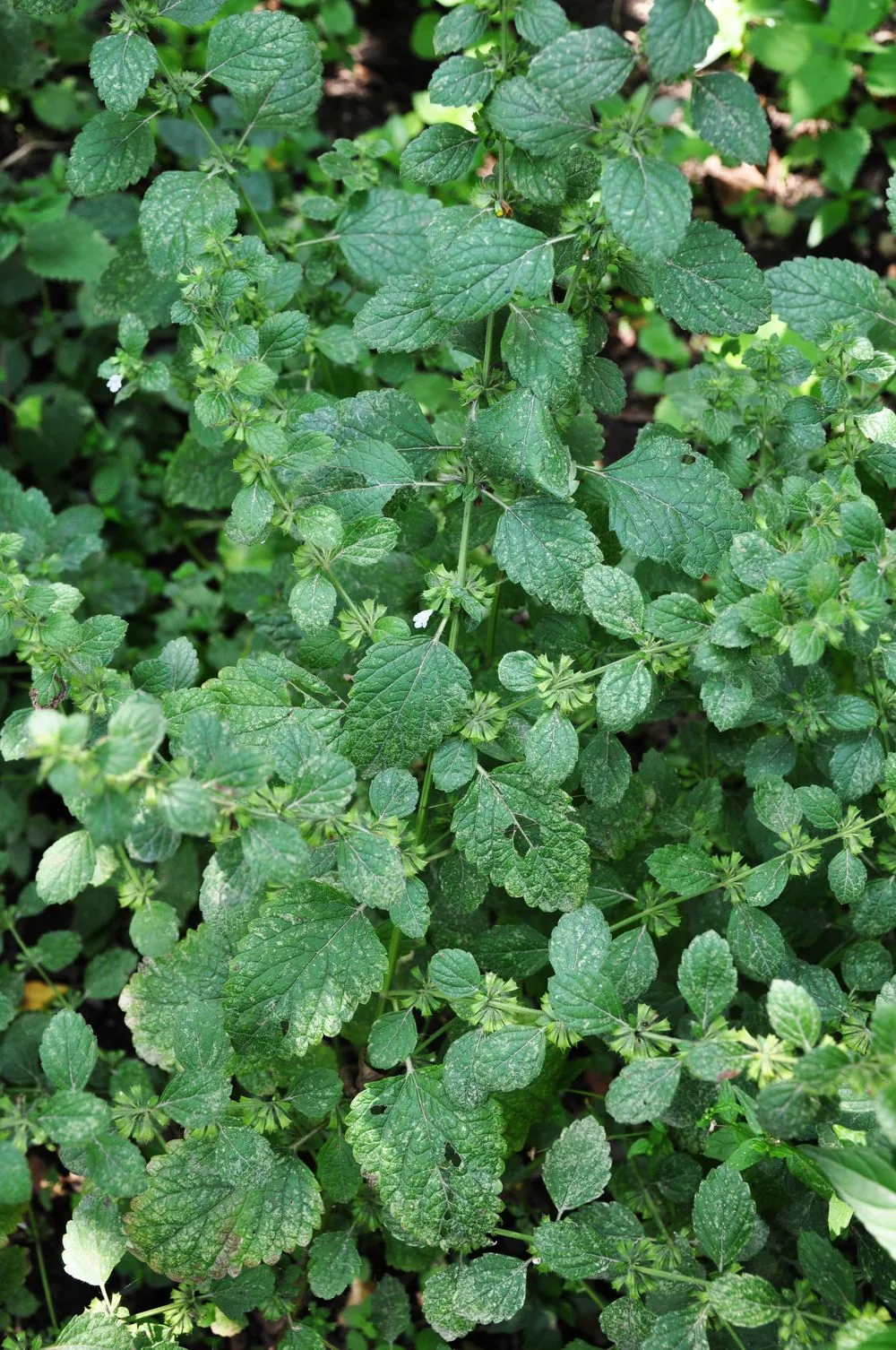
Lemon balm is a bushy perennial herb of the mint family with heart-shaped, scalloped, wrinkled leaves that smell strongly of lemon when rubbed. In summer it carries leafy spikes of small creamy-white or pale purple flowers so rich in nectar that bees crowd them, which is where its Latin name, from the Greek for honeybee, comes from. The leaves go into teas, salads and desserts. It dies back in winter, returns every spring, and grows in almost any soil in sun or part shade.
Keep the soil moist. Established plants tolerate short dry spells; pots need regular watering.
Humidity
Not a factor for this herb.
Soil
Any moist soil. It dislikes sitting very wet through the winter.
Temperature
Fully hardy. The top growth dies back in winter and returns in spring.
Size
0.5-1m tall and 45-90cm wide.
Growth speed
Fast
?Pet safety not confirmed
As a precaution, keep it out of reach of children and pets.
Common mistake
Letting lemon balm flower and set seed is the mistake most gardeners regret. It seeds itself into every gap in the garden. Cut the whole plant back hard as the flowers fade: that stops the seeding and brings a fresh crop of the young leaves that taste best.
Care by Season
Spring
New shoots appear. Divide large clumps and start picking the young tips.
Summer
Pick regularly. Cut the plant back hard as the flowers fade for a second flush of leaves.
Autumn
Divide and replant if needed. Remove seedlings that have appeared around the plant.
Winter
The plant is dormant. Cut away the dead stems and make sure pots are not waterlogged.
Growing & Maintenance
Planting
Plant in spring or autumn in any moist soil in sun or partial shade, or in a large pot. Sow seed in spring.
Pruning
Cut back hard after flowering to promote fresh leaves and prevent self-seeding. Remove dead stems in winter.
Propagation
By division in spring or autumn, or by seed.
Pests & Diseases
Common problems
Seedlings everywhere
Most likely cause: The plant was left to set seed.
What to do: Cut it back hard as the flowers fade.
Leaves with little scent
Most likely cause: Old leaves, or a plant in flower.
What to do: Cut back and use the young regrowth.
Scorched yellow leaves
Most likely cause: A golden-leaved form in full sun.
What to do: Move it to light shade.
A woody, bare centre
Most likely cause: An old, undivided clump.
What to do: Lift and divide it in spring or autumn and replant the outer pieces.
Mottled, pale leaves
Most likely cause: Sage leafhoppers.
What to do: Cut back; new growth comes clean.
Pests & Diseases
Sage leafhopper
Signs: Fine, pale mottling on the upper side of the leaves in summer.
Treatment: The damage is cosmetic. Cut the plant back and use the clean regrowth.
Aphids
Signs: Clusters of small insects on the shoot tips.
Treatment: Rinse them off with water, or cut the affected tips away.
Spider mites
Signs: Fine pale speckling and thin webbing on plants in hot, dry spots or under cover.
Treatment: Hose the plant down, keep it watered and cut back badly affected growth. Check the undersides of the leaves and the crevices where the leaf stem meets the main stalk.
FAQ
How do I stop lemon balm taking over?
It spreads mainly by seed. Cut the plant back hard after flowering, before the seed ripens, and pull out stray seedlings while they are small. Growing it in a large pot also keeps it in one place.
When is the flavour best?
In the young leaves, before the plant flowers. Pick shoot tips regularly in spring and early summer. After a hard cut the new growth is as good as the first.
Can I grow lemon balm in a pot?
Yes, and it is a good way to contain it. Use a large pot, keep the compost moist and divide and repot the plant every couple of years, as it fills a pot quickly.
Does it need sun or shade?
Either. It grows in full sun or partial shade. Golden-leaved forms keep their colour best in light shade, where the leaves do not scorch.
How do I use the leaves?
Fresh, for tea, cold drinks, fruit salads and with fish. The lemon scent fades when the leaves are dried or cooked for long, so add them at the end.
Is it the same as bee balm?
The name bee balm is used for lemon balm, but also for Monarda, a different garden plant with red or pink shaggy flowers. Check the Latin name when buying.