No results. Is a plant missing? Tell uscontact@wikiplant.net
Lettuce
Lactuca sativa
Care level: Easy
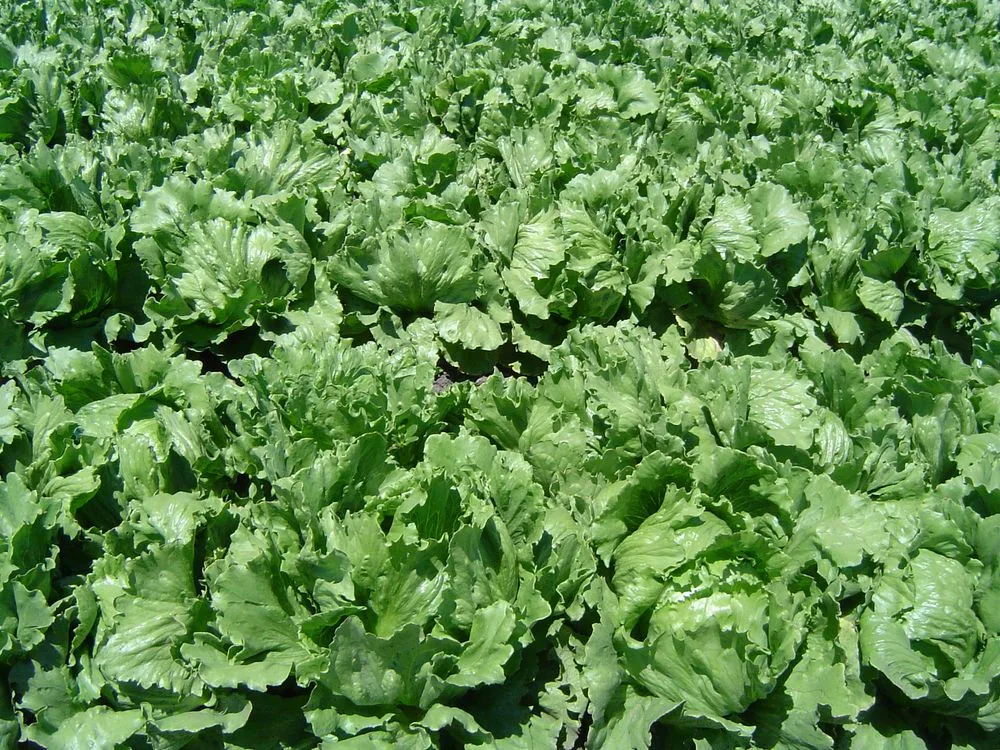
Lettuce is a fast, cool-season annual grown for its tender leaves, ready to cut within six to ten weeks of sowing. There are four main types: soft butterheads, upright cos or romaine, crisp icebergs with a dense heart, and loose-leaf lettuces that never form a head and can be picked a few leaves at a time. It grows in beds, pots, window boxes and growing bags, and with the right varieties and some cover you can cut it for much of the year. The plant is shallow-rooted and thirsty, and it runs to seed quickly in heat or drought.
Full sun in spring and autumn; light shade in the heat of summer.
Water
Keep the soil evenly moist. Water in the morning at the base of the plants; dry spells cause bolting and bitter leaves.
Humidity
Not a factor outdoors. Under cover, ventilate well to prevent grey mould.
Soil
Fertile, moisture-retentive soil enriched with garden compost, or multipurpose compost in containers.
Temperature
A cool-season crop that grows best in mild weather. It tolerates light frost under fleece or a cloche and bolts in heat.
Size
15-30cm tall and 15-30cm wide.
Growth speed
Fast
?Pet safety not confirmed
As a precaution, keep it out of reach of children and pets.
Beginner tip
Sow a short row every two weeks instead of the whole packet at once. Lettuces sown together all mature together and stay good for only a week or two before they bolt, so small, regular sowings from early spring to late summer give a steady supply instead of a glut.
Care by Season
Spring
Sow outdoors from early spring, under cloches at first, and repeat every two weeks.
Summer
Keep sowing in light shade, water well and harvest promptly before plants bolt.
Autumn
Sow hardy varieties for winter and cover late crops with cloches.
Winter
Overwintered plants stand under cover; pick sparingly and ventilate on mild days.
Growing & Maintenance
Planting
Sow thinly in drills about 1cm deep in rows 30cm apart and thin in stages to 15-30cm depending on the variety, or raise in modules and plant out. Do not plant too deep, or the base may rot.
Fertilising
Soil improved with compost needs no extra feeding. In containers, give a balanced liquid feed if growth slows.
Pruning
No pruning. Pull up plants that have bolted and put them on the compost heap.
Propagation
By seed. Germination is poor above about 25°C.
Pests & Diseases
Common problems
Plants run to seed
Most likely cause: Heat, drought or crowding.
What to do: Water regularly, give summer shade and sow little and often.
Bitter leaves
Most likely cause: Bolting or water stress.
What to do: Harvest younger and keep the soil moist.
Seed fails to germinate
Most likely cause: Soil too warm.
What to do: Sow in the evening, in shade, or in a cool place indoors.
Brown edges on the inner leaves
Most likely cause: Tipburn, a calcium shortage in fast growth linked to uneven watering.
What to do: Water consistently and avoid overfeeding.
No hearts form
Most likely cause: Crowding or lack of water.
What to do: Thin to the right spacing and water in dry weather.
Leaves rot at the base
Most likely cause: Planted too deep or damp, still air.
What to do: Plant with the leaf bases above the soil and ventilate.
Pests & Diseases
Slugs and snails
Signs: Seedlings eaten off and ragged holes in leaves, with slime trails.
Treatment: Hand-pick after dark, use traps or barriers and set out sturdy module-raised plants.
Lettuce root aphid
Signs: Plants suddenly wilt and stop growing in summer; white, waxy aphids on the roots.
Treatment: Water well, rotate the crop and grow resistant varieties. Remove affected plants.
Grey mould
Signs: Fuzzy grey mould on leaves and a rotting stem base, mostly under cover in cool, damp weather.
Treatment: Space plants well, ventilate, water in the morning and remove damaged leaves.
Downy mildew
Signs: Yellow, angular patches on older leaves with white mould underneath.
Treatment: Remove affected leaves, improve air flow and choose resistant varieties.
FAQ
Why do my lettuces shoot up and taste bitter?
They have bolted, meaning they have started to flower. Heat, dry soil, crowding and long days all trigger it. Keep the soil evenly moist, sow in light shade in summer, harvest young and choose slow-bolting varieties.
Why won't my seeds come up in summer?
Lettuce seed goes dormant when the soil is warmer than about 25°C. Sow in the evening, water with cold water and shade the row, or start the seed in trays in a cool place.
Can I grow lettuce in a pot?
Yes. It is one of the best vegetables for containers. Use a pot at least 15cm deep, keep it well watered and choose loose-leaf varieties or a small type such as 'Little Gem'.
How do I harvest it?
Cut whole heads at the base when the heart is firm. With loose-leaf types, pick the outer leaves or cut the plant 3cm above the soil and it will regrow once or twice.
Can lettuce be grown in winter?
Hardy winter varieties sown in late summer or early autumn will stand through winter under a cloche, in a cold frame or in an unheated greenhouse and give leaves in early spring.
How much sun does it need?
Full sun in spring and autumn. In summer it does better with shade during the hottest part of the day, which slows bolting.
What is eating my seedlings?
Almost always slugs and snails, which can clear a row overnight. Check after dark, use traps or barriers, and raise plants in trays to set out when they are sturdier.