No results. Is a plant missing? Tell uscontact@wikiplant.net
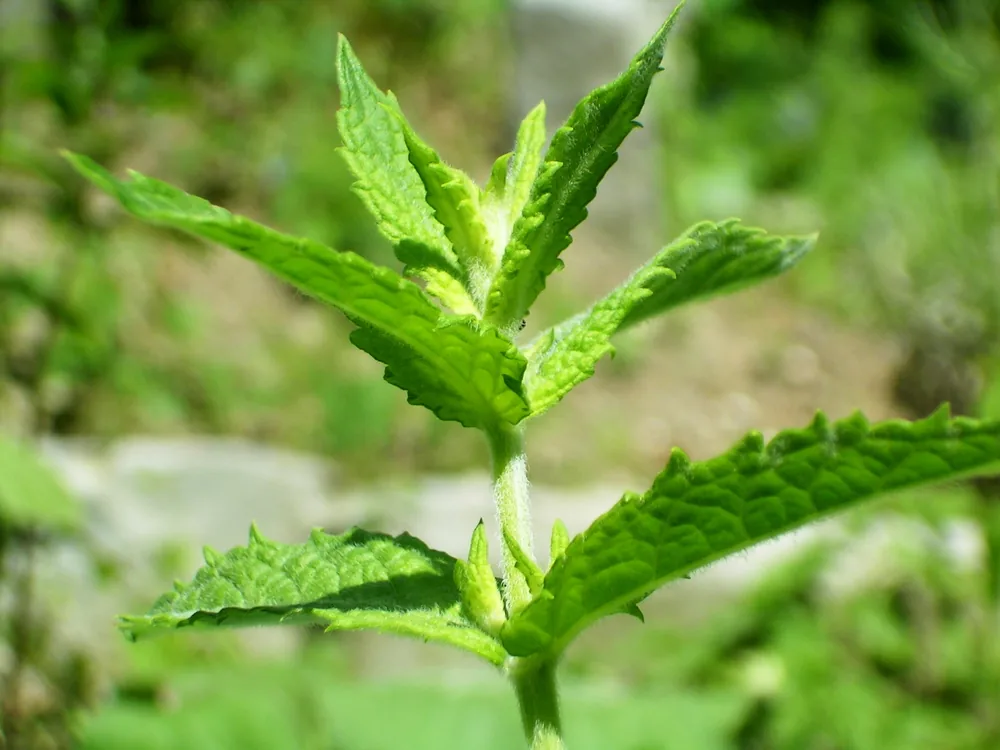
Mint
Mentha spicata
Care level: Very easy
In Greek myth, the nymph Minthe was transformed into this fragrant plant, and mint has lived up to that untamable spirit ever since: in open garden soil its roots spread so aggressively that it's considered a thug best kept confined to a pot, even indoors.
Grows well in bright indirect light to a few hours of morning sun; too much intense direct sun can scorch leaves indoors.
Water
Keep soil consistently moist but not waterlogged, watering when the top centimeter feels dry, usually every 2-4 days.
Humidity
Enjoys above-average humidity; mist occasionally or set the pot on a pebble tray.
Soil
Rich, moisture-retentive potting mix with good drainage holes to prevent waterlogging.
Temperature
Normal room temperatures indoors. It is winter-hardy outdoors.
Size
30-60cm tall and wide.
Growth speed
Fast
Best position
north / north-east-facing windowanywhere up to about 1 m from the window
east-facing windowabout 1 m from the window or further back
west-facing windowabout 2 m from the window or further back
Watch for strong direct sun at east / west windows.
See every window directionHide window directions
Best position
right by the window
about 1 m
about 2 m
about 4 m
4 m or more
north
works well✓
works well✓
too dark○
too dark○
too dark○
north-east
works well✓
works well✓
too dark○
too dark○
too dark○
east
just about~
works well✓
works well✓
too dark○
too dark○
south-east
too much direct sun☼
just about~
just about~
too dark○
too dark○
south
too much direct sun☼
too much direct sun☼
too much direct sun☼
too dark○
too dark○
south-west
too much direct sun☼
too much direct sun☼
just about~
too dark○
too dark○
west
too much direct sun☼
too much direct sun☼
works well✓
too dark○
too dark○
north-west
too much direct sun☼
just about~
too dark○
too dark○
too dark○
✓works well~just about○too dark☼too much direct sun
A rough guide based on window direction and typical daylight through the year. Window size, curtains and whatever stands outside matter just as much.
!Toxic to pets
Toxic to cats and dogs if eaten.
It can make cats and dogs unwell, so keep it out of their reach.
If your pet has eaten some, contact your vet.
Source: ASPCA
Propagation tip
Mint roots from stem cuttings faster than almost any other herb; snip a few centimeters below a leaf node, drop the stem in a glass of water, and visible white roots usually appear within a week without any rooting hormone.
Care by Season
Spring
Repot or divide congested clumps and resume regular feeding as vigorous new growth starts.
Summer
Water frequently since mint dries out fast in warm weather, and pinch stems often to keep it bushy.
Autumn
Cut back leggy stems and ease off watering slightly as growth slows.
Winter
Move to the brightest available spot, water a little less, and expect slower, sparser growth.
Growing & Maintenance
Soil and pot
A rich, moisture-retentive potting mix in a pot with drainage holes.
Repotting
Divide the clump or repot into fresh soil every year or two, in spring.
Fertilising
Feed regularly in spring and summer, while it is growing fast.
Pruning
Pinch the stem tips often to keep it bushy, and cut it back after flowering to bring on new growth.
Propagation
From stem cuttings, which root in a glass of water, or by division.
Pests & Diseases
Common problems
Leggy, sparse stems
Most likely cause: No pinching, or too little light.
What to do: Pinch the stem tips often and move it to a brighter spot.
Wilting
Most likely cause: The compost dried out. Mint dries fast in warm weather.
What to do: Water when the top centimetre feels dry, every 2-3 days in summer.
White, powdery coating on the leaves
Most likely cause: Powdery mildew.
What to do: Give it more airflow, keep the leaves dry and remove affected stems.
Orange spots under the leaves
Most likely cause: Mint rust, a fungal disease.
What to do: Cut out and discard the affected stems.
Mint taking over a bed
Most likely cause: It spreads by runners that root wherever they touch the ground.
What to do: Grow it in a pot.
Pests & Diseases
Aphids
Signs: Clusters of small insects on tender new shoots, sticky residue on leaves
Treatment: Spray off with water or use insecticidal soap.
Powdery mildew
Signs: White powdery patches on leaves, common in still, humid air
Treatment: Increase airflow, avoid wetting foliage, and remove affected leaves.
Spider mites
Signs: Fine webbing and speckled leaves, especially in dry indoor heat
Treatment: Rinse foliage regularly and raise humidity around the plant. Check the undersides of the leaves and the crevices where the leaf stem meets the main stalk.
FAQ
Why is my indoor mint leggy and sparse instead of bushy?
Mint needs frequent pinching of stem tips to branch out; left unpinched in average indoor light it stretches toward the window and gets thin, so regular harvesting actually keeps it fuller.
Can I keep the same mint plant growing indoors for years?
Yes, but it benefits from dividing or repotting into fresh soil every year or two, since its vigorous roots quickly fill and exhaust a small pot.
How often should I water Mint?
Usually every 2-3 days, when the top centimetre of compost feels dry. Keep it consistently moist but never waterlogged.
How do I propagate Mint?
From stem cuttings or by division. A stem cut a few centimetres below a leaf node roots quickly in a glass of water.
Does Mint spread?
Yes, aggressively. It spreads by runners and by stems that root where they touch the ground, so it is best grown in a container.
How much light does Mint need?
Bright, indirect light or a few hours of morning sun. Intense direct sun can scorch the leaves.