No results. Is a plant missing? Tell uscontact@wikiplant.net
Sago palm
Cycas revoluta
Care level: Easy
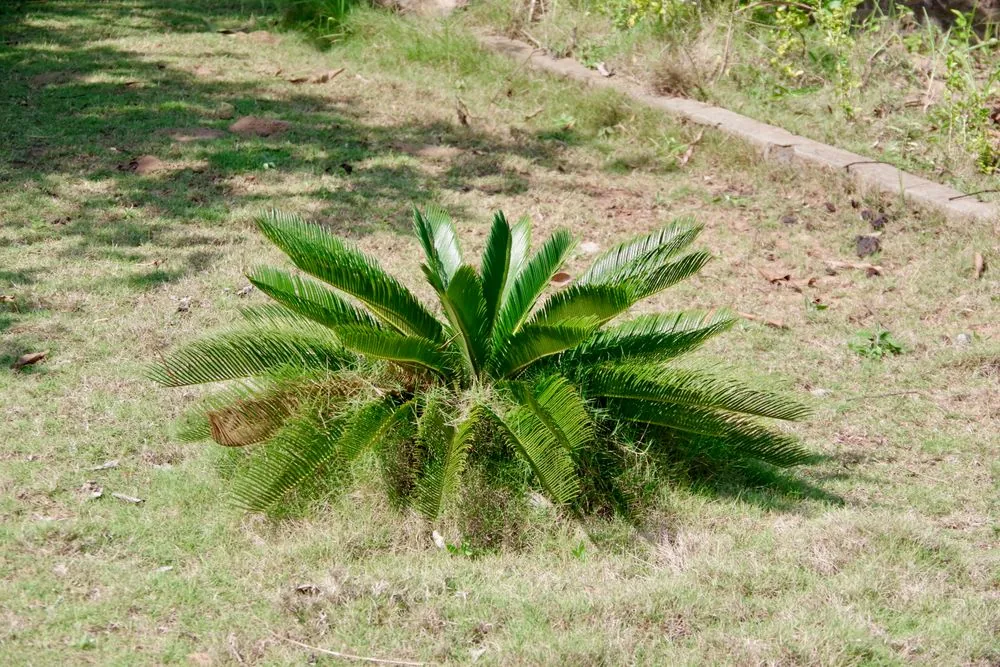
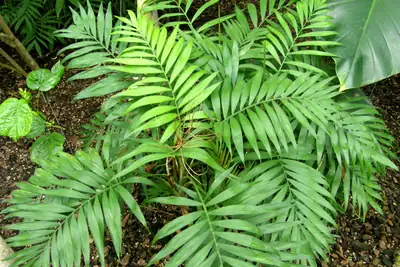
The sago palm is not a palm at all but a cycad, a member of a plant group older than the dinosaurs, native to southern Japan. It forms a rosette of stiff, glossy, dark green fronds, each a row of narrow, sharp-tipped leaflets, on a short, shaggy trunk that thickens very slowly over decades. It is one of the toughest and most architectural plants for a bright room or conservatory and tolerates neglect well. It also has one serious drawback: every part of it is highly poisonous to pets and people.
Every part is highly toxic, the seeds most of all. Eating even a little causes vomiting and diarrhoea, then liver failure, and it is often fatal.
If your pet has eaten some, contact your vet.
Source: RHS, NC State Extension, Pet Poison Helpline
Safety note
This is one of the most dangerous houseplants for dogs and cats. All parts are highly toxic, the seeds most of all, and animals are attracted to it. If you have pets that chew plants, or small children, choose a different plant.
Care by Season
Spring
Start feeding. The yearly flush of new fronds may appear from late spring.
Summer
New fronds harden. Water moderately and stand the pot outdoors in a bright, sheltered place if you wish.
Autumn
Bring it indoors before the first frost and reduce watering.
Winter
Keep it bright and cool to moderate, and water sparingly.
Growing & Maintenance
Repotting
Repot only every few years in spring, into a pot slightly wider than the trunk base. It grows best a little root-bound.
Fertilising
Feed once a month from spring to late summer with a balanced liquid fertiliser.
Pruning
No pruning is needed. Cut off fronds only once they are completely brown, close to the trunk, wearing gloves.
Propagation
By removing the offsets, called pups, from the base of the trunk in spring and potting them up, or by seed, which is very slow.
Pests & Diseases
Common problems
New fronds long, weak and stretched
Most likely cause: Too little light while they were growing.
What to do: Give it the brightest spot before the next flush; the stretched fronds stay as they are.
Yellow fronds and a soft trunk base
Most likely cause: Waterlogged compost.
What to do: Let it dry out, improve the drainage and water less.
Brown tips on the leaflets
Most likely cause: Dry air, or salts from fertiliser and hard water.
What to do: Flush the compost with rainwater and feed less.
New fronds twisted or leaning
Most likely cause: The plant was moved or turned while they were soft.
What to do: Leave it in place during the flush.
No new leaves this year
Most likely cause: Normal for a slow cycad, especially after repotting.
What to do: Wait; keep the light good and the feeding regular.
Pests & Diseases
Red spider mite
Signs: Fine pale speckling on the leaflets and thin webbing in warm, dry air under glass.
Treatment: Raise the humidity, rinse the fronds and repeat weekly. Check the undersides of the leaves and the crevices where the leaf stem meets the main stalk.
Scale insects
Signs: Small white or brown bumps packed along the leaflets and the midrib, with yellow patches.
Treatment: Wipe or scrub them off with a soft brush and soapy water and check again every week.
Mealybugs
Signs: White, woolly tufts in the crown and at the base of the fronds.
Treatment: Dab them off with a cotton bud dipped in alcohol and repeat weekly. Check the undersides of the leaves and the crevices where the leaf stem meets the main stalk.
FAQ
Is the sago palm really that dangerous for pets?
Yes. Every part is highly toxic, and even a small amount can cause vomiting, then liver failure and death. Treat any chewing as an emergency and contact a vet at once, without waiting for signs.
Why does it produce all its new leaves at once?
That is how cycads grow. Once a year, sometimes less often, a ring of soft, pale new fronds rises from the centre and hardens over a few weeks. Do not move or turn the plant while they are soft, or they set crooked.
Why are the fronds turning yellow?
Old, lower fronds yellow and die naturally over the years. Yellowing of newer fronds points to wet compost, too little light or a lack of nutrients.
How often should I water it?
Moderately in the growing season, when the top of the compost has dried, and sparingly the rest of the year. Water the compost, not the crown, where standing water causes rot.
Can it live outside?
In summer, yes, in a bright, sheltered spot. It tolerates a brief light frost if kept dry, but in most of Europe it should winter indoors or under glass.
How fast does it grow?
Very slowly. A plant may add one flush of leaves a year and takes many years to form a visible trunk, which is why large specimens are expensive.