No results. Is a plant missing? Tell uscontact@wikiplant.net
Satsuki Azalea
Rhododendron indicum
Care level: Moderate
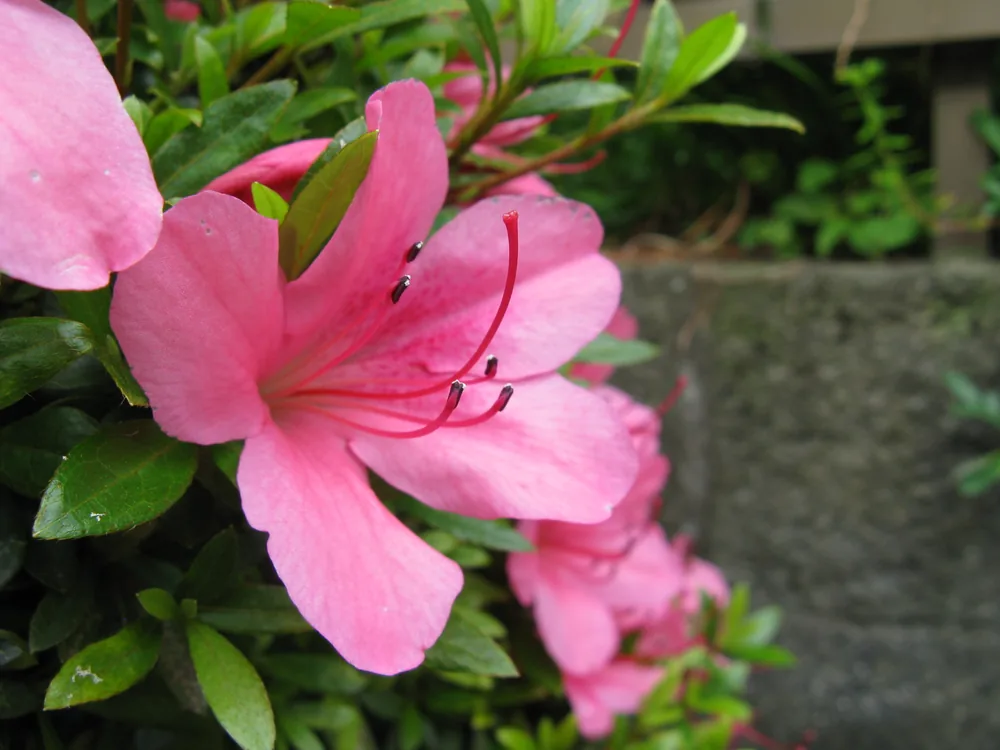
Satsuki Azalea is one of the most beloved flowering bonsai species, grown in Japan for centuries for its large, showy flowers that appear late in spring, hence the name ('satsuki' means 'fifth month' in the old Japanese calendar). A single tree can produce flowers of different colours or patterns on different branches, a phenomenon called sporting, which makes it one of the most collected bonsai species in Japan, with hundreds of named cultivars.
Partial shade in hot climates or the height of summer, more direct sun in cooler regions; harsh afternoon sun can scorch leaves and fade flower colour.
Water
Keep the soil evenly moist; azaleas have fine, shallow roots that dry out quickly and dislike ever drying out completely.
Humidity
Appreciates moderate to high humidity outdoors; rarely a concern in temperate climates.
Soil
Acidic, well-draining soil, kanuma (a Japanese acidic bonsai substrate) is the traditional choice; avoid alkaline soil or hard tap water, which can yellow the foliage over time.
Temperature
Hardy to moderate cold. Shelter the pot from prolonged hard frost.
Size
A shrub of 60-90cm tall and wide in the ground.
Growth speed
Slow
Common mistake
Pruning a Satsuki Azalea in late summer or autumn is a common mistake that costs next year's flowers, since flower buds form on the current year's growth soon after blooming ends; any shaping or trimming needs to happen promptly after the flowers fade.
Care by Season
Spring
Flower buds open, often in a spectacular late-spring display; avoid disturbing the roots while the plant is flowering.
Summer
Prune and shape promptly after flowering ends, since next year's flower buds form soon after, later pruning cuts off the coming year's blooms.
Autumn
Growth slows and flower buds for next spring are already set; avoid heavy pruning from this point on.
Winter
Hardy to moderate cold outdoors in most temperate climates; shelter the pot from prolonged hard freezes to protect the shallow root system.
Growing & Maintenance
Soil and pot
An acidic, well-draining soil. Kanuma, a Japanese acidic bonsai substrate, is the traditional choice.
Fertilising
Feed lightly. It does not tolerate excess fertiliser.
Pruning
Remove the spent flowers and prune to shape promptly after flowering. Later pruning removes next year's flower buds.
Pests & Diseases
Common problems
No flowers
Most likely cause: Pruning too late the year before.
What to do: Prune only straight after flowering.
Yellow leaves with green veins
Most likely cause: Alkaline soil or hard water.
What to do: Use acidic soil such as kanuma and water with rainwater.
Pale, speckled leaves with dark specks underneath
Most likely cause: Lace bugs.
What to do: Spray the underside of the leaves with insecticidal soap.
Wilting and branches dying back
Most likely cause: Root rot in heavy or wet soil.
What to do: Improve the drainage at once.
Brown, crisp leaves
Most likely cause: The fine, shallow roots dried out.
What to do: Keep the soil evenly moist and never let it dry out completely.
Pests & Diseases
Lace bugs
Signs: Stippled, pale speckling on the upper leaf surface with small dark specks of excrement on the underside.
Treatment: Spray the underside of leaves with insecticidal soap or neem oil, repeating every one to two weeks.
Spider mites
Signs: Fine webbing and dull, stippled foliage, especially in hot, dry conditions.
Treatment: Rinse foliage regularly with a strong spray of water and apply miticide if it persists. Check the undersides of the leaves and the crevices where the leaf stem meets the main stalk.
Root rot
Signs: Wilting and yellowing leaves despite moist soil, from roots sitting in poorly draining or waterlogged soil.
Treatment: Improve drainage immediately and avoid letting the pot sit in standing water.
FAQ
Can I keep a Satsuki Azalea bonsai indoors?
No, not long-term. It's an outdoor shrub that needs real seasonal light and temperature changes to flower well and stay healthy; indoors it typically weakens and stops blooming, even though the decline can take a while to become obvious.
Why didn't my Satsuki Azalea flower this year?
The most common cause is pruning too late the previous year, cutting off the buds that would have opened this spring. Insufficient light and stress from letting the roots dry out completely can also prevent flowering.
How often should I water a Satsuki Azalea bonsai?
Often enough to keep the soil evenly moist. Azaleas have fine, shallow roots that dry out quickly, and they also dislike soil that stays wet.
Does a Satsuki Azalea need sun or shade?
Partial shade in hot weather and at the height of summer, and more direct sun in cooler regions. Harsh afternoon sun scorches it.
When does a Satsuki Azalea flower?
In late spring, often in a spectacular display. Avoid disturbing the roots while it is in flower.
When should I prune a Satsuki Azalea?
Promptly after flowering ends. Next year's flower buds form soon after, so pruning in late summer or autumn costs you the flowers.