No results. Is a plant missing? Tell uscontact@wikiplant.net
Tarragon
Artemisia dracunculus
Care level: Moderate
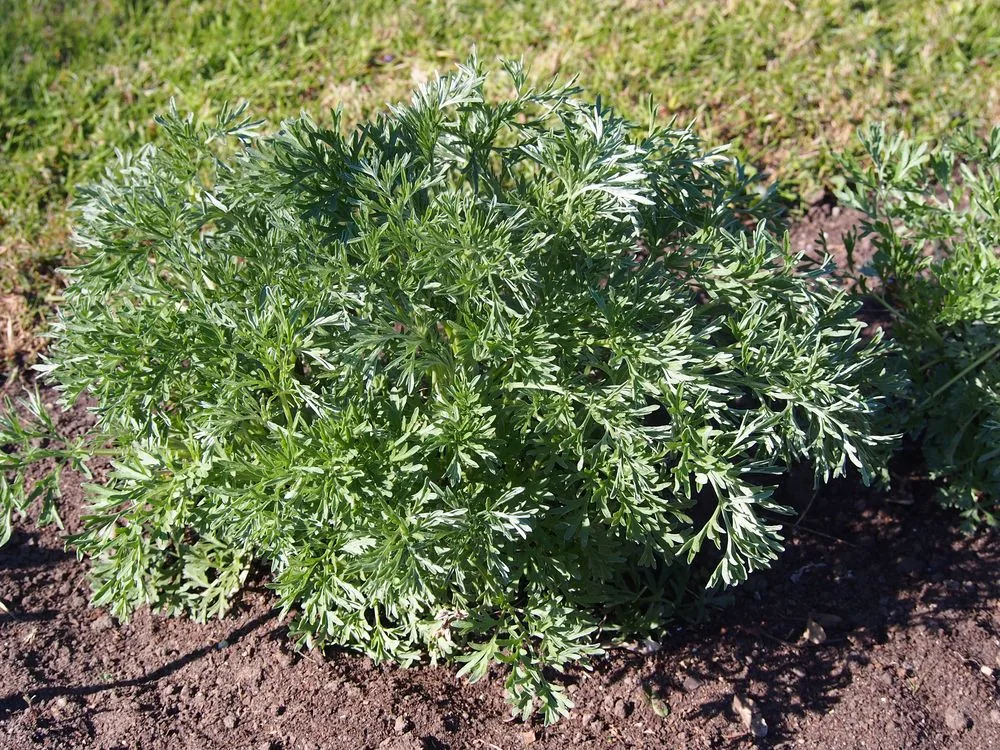
Tarragon is an upright, woody-based perennial herb with narrow, glossy, lance-shaped leaves that taste of anise, the defining flavour of béarnaise sauce, tarragon vinegar and many chicken and fish dishes. It dies back in winter and resprouts from the base in spring. The one worth growing for the kitchen is French tarragon, a form that almost never sets seed and is raised only from cuttings or division. It needs sun, sharp drainage and some protection in a cold, wet winter.
Water sparingly. Let the soil dry between waterings and keep it on the dry side in winter.
Humidity
Not a factor for this herb.
Soil
Light, very well-drained soil. In a pot, use a gritty compost.
Temperature
French tarragon is hardy to about -5°C to -10°C in dry soil, and needs protection in a cold, wet winter.
Size
0.5-1m tall and 30-45cm wide.
Growth speed
Medium
!Toxic to pets
Toxic to cats and dogs if eaten.
Eating it can cause vomiting and an upset stomach.
If your pet has eaten some, contact your vet.
Source: NC State Extension
Common mistake
Buying tarragon as seed is the mistake. Seed gives Russian tarragon, a tall, vigorous, hardy plant with coarse leaves and almost no flavour. French tarragon does not come from seed; buy a plant, and rub a leaf to check for the anise scent.
Care by Season
Spring
New shoots appear. Cut the old stems back to the lowest new shoots and divide older clumps.
Summer
Harvest sprigs regularly. Take cuttings in summer.
Autumn
Stop harvesting as growth slows. Mulch the crown with dry material, or move pots under cover.
Winter
The plant is dormant. Keep it as dry as possible.
Growing & Maintenance
Planting
Plant in spring in light, free-draining soil in full sun, or in a pot of gritty compost.
Pruning
Cut back to the lowest new shoots near the base in mid to late spring. Pinch out flower buds if they form.
Propagation
By division or root pieces in spring, or by cuttings in summer. French tarragon cannot be raised from seed.
Pests & Diseases
Common problems
Leaves with no flavour
Most likely cause: The plant is Russian tarragon, raised from seed.
What to do: Replace it with French tarragon bought as a plant.
The plant did not come back in spring
Most likely cause: Winter wet.
What to do: Grow it in sharper drainage or in a pot under cover in winter.
Weak growth and fading flavour
Most likely cause: An old clump.
What to do: Divide it in spring and replant the young pieces.
Tall, floppy stems
Most likely cause: Too much shade or rich soil.
What to do: Give full sun and a lean, free-draining soil.
Orange spots under the leaves
Most likely cause: Rust.
What to do: Cut back hard and dispose of the foliage.
Pests & Diseases
Rust
Signs: Small orange-brown pustules on the undersides of the leaves, which yellow and die.
Treatment: Cut the plant back hard, dispose of the foliage and let it regrow. Divide and replant in a new spot in spring.
Root rot
Signs: Shoots fail to appear in spring, or collapse, in soil that stays wet.
Treatment: Improve the drainage or grow the plant in a pot kept dry in winter.
Powdery mildew
Signs: A white, powdery coating on the leaves in a dry late summer.
Treatment: Cut back affected growth and water the roots in dry spells.
FAQ
What is the difference between French and Russian tarragon?
French tarragon has smooth, dark, glossy leaves with a strong anise flavour, rarely flowers, sets no viable seed and is less hardy. Russian tarragon is taller and tougher, grows easily from seed and tastes faintly grassy. For cooking, only French tarragon is worth the space.
Why did my tarragon die over winter?
Almost always from wet rather than cold. French tarragon rots in heavy, waterlogged soil. Grow it in very free-draining soil or a pot, and in a cold area cover the crown with a dry mulch or move the pot under cover for winter.
How do I harvest tarragon?
Cut shoot tips and sprigs as needed from late spring to early autumn, taking no more than a third of the plant at a time. The flavour is best before midsummer. Tarragon keeps its taste far better frozen or in vinegar than dried.
Is tarragon toxic to cats and dogs?
Yes, mildly. The essential oils in the plant can cause vomiting, drooling and diarrhoea in cats and dogs, so grow it where pets do not graze.
How do I propagate French tarragon?
By division in spring, by pieces of the creeping roots, or from cuttings in summer. It cannot be grown from seed.
Why has the flavour faded?
Plants lose vigour and flavour after a few years. Lift and divide the clump every two to three years in spring and replant the young outer pieces in fresh soil.