No results. Is a plant missing? Tell uscontact@wikiplant.net
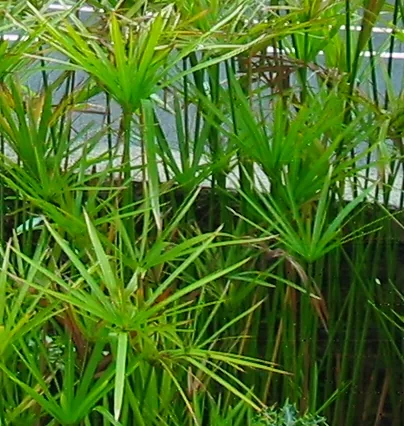
Umbrella Papyrus
Cyperus alternifolius
Care level: Easy
Cyperus alternifolius is a close relative of Cyperus papyrus, the very plant ancient Egyptians pounded into the world's first paper, and while this smaller umbrella-leaved cousin isn't used for papermaking, it shares the same love of standing water and the same striking whorl of thin bracts radiating out like the spokes of an umbrella.
Bright light with some direct sun is ideal; tolerates medium light indoors.
Water
Loves constantly wet soil; keep it standing in a shallow tray of water or water very frequently so it never dries out.
Humidity
Enjoys high humidity but adapts to average indoor conditions if soil stays wet.
Soil
Heavy, water-retentive potting mix; can even be grown in pots without drainage holes kept partly filled with water.
Temperature
Normal room temperatures. It is frost tender.
Size
0.45-1.2m tall and 60-90cm wide.
Growth speed
Fast
Best position
east / south-east / south / west-facing windowanywhere up to about 2 m from the window
north / north-east / north-west-facing windowanywhere up to about 1 m from the window
south-west-facing windowabout 1 m from the window or further back
Watch for strong direct sun at south-west windows.
See every window directionHide window directions
Best position
right by the window
about 1 m
about 2 m
about 4 m
4 m or more
north
works well✓
works well✓
too dark○
too dark○
too dark○
north-east
works well✓
works well✓
too dark○
too dark○
too dark○
east
works well✓
works well✓
works well✓
too dark○
too dark○
south-east
works well✓
works well✓
works well✓
too dark○
too dark○
south
works well✓
works well✓
works well✓
too dark○
too dark○
south-west
just about~
works well✓
works well✓
too dark○
too dark○
west
works well✓
works well✓
works well✓
too dark○
too dark○
north-west
works well✓
works well✓
too dark○
too dark○
too dark○
✓works well~just about○too dark☼too much direct sun
A rough guide based on window direction and typical daylight through the year. Window size, curtains and whatever stands outside matter just as much.
?Pet safety not confirmed
As a precaution, keep it out of reach of children and pets.
Common mistake
Many people treat Umbrella Papyrus like an average houseplant and let it dry out between waterings, but this is a true bog and marginal-pond plant, it wants its roots sitting in standing water almost constantly, and drying out even briefly causes rapid stem collapse and browning.
Care by Season
Spring
Resume frequent watering and begin light feeding as new umbrella-like stems form.
Summer
Keep the soil constantly wet or sitting in water and provide bright light.
Autumn
Continue consistent watering as growth slows only slightly.
Winter
Keep soil moist but slightly less saturated, and protect from cold drafts.
Growing & Maintenance
Soil and pot
A heavy, water-retentive potting mix. The pot can stand in a shallow tray of water.
Fertilising
A light feed in spring and summer.
Support
Long stems can flop. Tie them loosely to a stake.
Propagation
By division, or from stem cuttings.
Pests & Diseases
Common problems
Brown tips
Most likely cause: Not enough water.
What to do: Keep the roots wet at all times, with the pot standing in a tray of water.
Stems flopping over
Most likely cause: The stems have grown long and heavy.
What to do: Tie them loosely to a stake.
Whole stems yellowing and collapsing
Most likely cause: The compost has dried out.
What to do: Stand the pot in water straight away and cut off the dead stems.
Soft stems at the base and smelly water
Most likely cause: Stagnant water and stem rot.
What to do: Change the standing water regularly and remove the affected stems.
Pale, thin stems
Most likely cause: Too little light.
What to do: Move it to bright light with some direct sun.
Pests & Diseases
Aphids
Signs: Small clustered insects on new shoots near the stem tips
Treatment: Rinse with water and apply insecticidal soap if needed.
Spider mites
Signs: Fine webbing and stippled discoloration in dry indoor air
Treatment: Increase humidity and rinse foliage; treat with insecticidal soap if persistent. Check the undersides of the leaves and the crevices where the leaf stem meets the main stalk.
Stem rot
Signs: Blackened, collapsing stems from stagnant, unclean water
Treatment: Change standing water regularly, remove affected stems, and ensure fresh soil.
FAQ
Can I really grow Umbrella Papyrus standing in a dish of water?
Yes, unlike most houseplants, it comes from marshy, waterlogged habitats and thrives with its pot sitting in a saucer or tray of water, as long as that water is refreshed periodically to avoid it turning stagnant and smelly.
Is Umbrella Papyrus the same plant used to make ancient paper?
No, though they're closely related, true papyrus paper was made from Cyperus papyrus, a much taller wetland species; Umbrella Papyrus (Cyperus alternifolius) is a smaller ornamental relative grown mainly for its umbrella-like foliage.
How often should I water an Umbrella Papyrus?
Constantly. Keep the pot standing in a shallow tray of water, or water so often that the compost never dries.
How much light does an Umbrella Papyrus need?
It does best in bright light with some direct sun. It tolerates medium light indoors as long as the compost stays wet.
How big does an Umbrella Papyrus get?
Between 0.45 and 1.2m tall and 60 to 90cm wide. It grows fast when it never dries out.
How do I propagate an Umbrella Papyrus?
By division or from stem cuttings. A large clump can be split into several pots.