No results. Is a plant missing? Tell uscontact@wikiplant.net
Japanese Zelkova
Zelkova serrata
Care level: Moderate
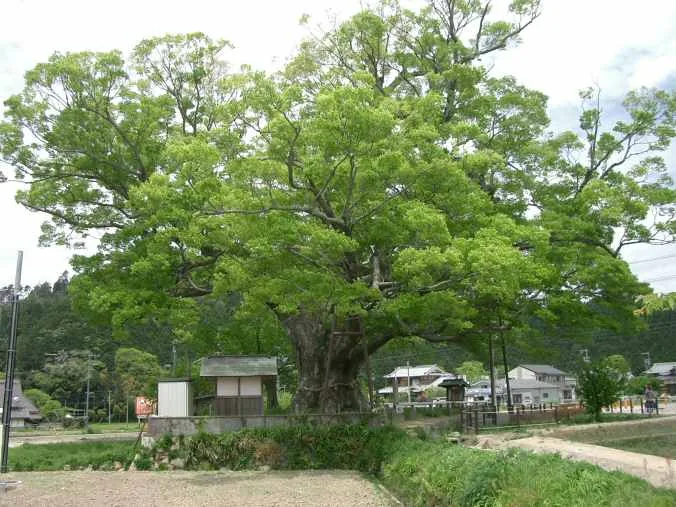
Japanese Zelkova is a deciduous tree known for its elegant vase- or fan-shaped silhouette, alternate, saw-toothed leaves that turn orange, bronze, and red in autumn, and smooth grey bark that mottles attractively with age. It's the classic example of the broom style (hokidachi) in bonsai, where a short trunk splits into a dense, symmetrical crown of fine branching.
Full sun to light shade; more sun generally produces denser growth and better autumn colour.
Water
Keep the soil evenly moist; established trees tolerate brief dryness but grow best without letting the soil fully dry out.
Humidity
Not a controllable factor outdoors; adapts well to a wide range of humidity levels.
Soil
Any well-draining bonsai soil; Zelkova is adaptable and not particular about soil pH.
Temperature
Fully hardy, and it needs winter cold. Protect the roots of a potted tree from hard frost.
Size
A tree of 15-24m in the ground; kept small as a bonsai by pruning.
Growth speed
Medium
Common mistake
Not pinching shoots often enough during the growing season is a common mistake with Zelkova; letting shoots lengthen before cutting them back gives coarse, sparse growth that ruins the fine, dense structure the broom style depends on. Pinch new shoots back to one or two leaf pairs regularly throughout the season.
Care by Season
Spring
Vigorous new growth begins; start pinching new shoots back to one or two leaf pairs to build fine ramification.
Summer
Continue regular pinching throughout the growing season; some growers remove all the leaves in early summer (defoliation) on strong, healthy trees to encourage smaller leaves and a denser canopy.
Autumn
Leaves turn shades of orange, bronze, and red before dropping; a good season for structural branch pruning once they've fallen.
Winter
Fully deciduous and hardy; needs a real period of winter cold and protection for the roots in a pot from prolonged hard freezes.
Growing & Maintenance
Soil and pot
Any well-draining bonsai soil. It is adaptable and not particular about pH.
Pruning
Pinch new shoots back to one or two leaf pairs throughout the growing season. Do structural branch pruning in autumn.
Pests & Diseases
Common problems
Long, coarse shoots
Most likely cause: Not pinching often enough.
What to do: Pinch new shoots back to one or two leaf pairs all season.
Curled, sticky young leaves
Most likely cause: Aphids.
What to do: Rinse them off with a strong spray of water.
Dull, speckled leaves with fine webbing
Most likely cause: Spider mites.
What to do: Rinse the foliage regularly with a strong spray of water.
Yellowing leaves in soil that stays wet
Most likely cause: Root rot.
What to do: Improve the drainage at once and let the soil dry slightly.
Dry, crisp leaves
Most likely cause: The soil dried out completely.
What to do: Keep the soil evenly moist.
Pests & Diseases
Aphids
Signs: Clusters of small insects on new shoots and a sticky residue (honeydew) on leaves below.
Treatment: Rinse off with a strong spray of water or apply insecticidal soap, repeating as needed.
Spider mites
Signs: Fine webbing and dull, stippled leaves, especially in hot, dry conditions.
Treatment: Rinse foliage regularly with a strong spray of water and apply miticide if it persists. Check the undersides of the leaves and the crevices where the leaf stem meets the main stalk.
Root rot
Signs: Wilting or yellowing leaves and a soft, mushy root base from soil that stays too wet.
Treatment: Improve drainage immediately and let the soil dry out more between waterings.
FAQ
Can I keep a Japanese Zelkova bonsai indoors?
No, not long-term. It's a deciduous tree that needs real seasons, including winter dormancy with a period of cold, to stay healthy; indoors it won't get the dormancy it needs and will decline over time.
How do I get the classic 'broom style' shape?
The broom style comes from repeatedly pinching new shoots back to one or two leaf pairs throughout the growing season, which forces the tree to branch and rebranch into the fine, dense canopy of twigs Zelkova is known for. It's built up over several years, not achieved in a single season.
How often should I water a Japanese Zelkova bonsai?
Often enough to keep the soil evenly moist. An established tree tolerates brief dryness, but it grows best when the soil never dries out fully.
How much sun does a Japanese Zelkova need?
Full sun to light shade. More sun generally gives denser growth and better autumn colour.
What colour does a Japanese Zelkova turn in autumn?
Shades of orange, bronze and red. The leaves then drop and the tree rests for winter.
How do I overwinter a Japanese Zelkova bonsai?
Outdoors, since it needs a real period of winter cold. Protect the roots in the pot from hard frost.