No results. Is a plant missing? Tell uscontact@wikiplant.net
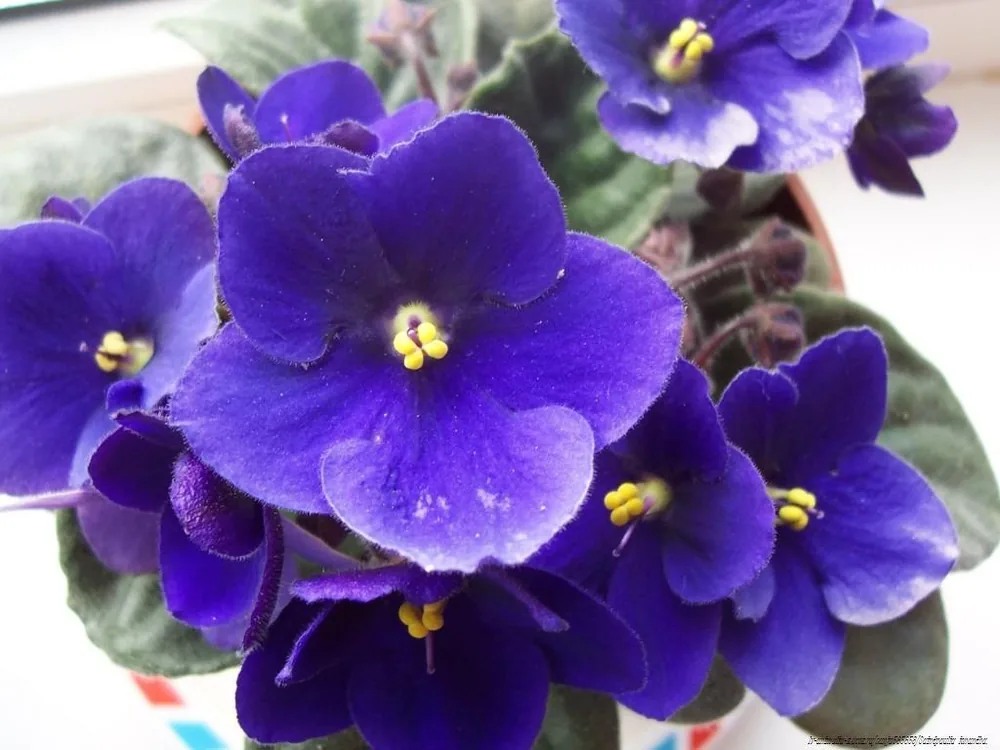
African Violet
Saintpaulia ionantha
Care level: Moderate
African Violets were discovered in 1892 by Baron Walter von Saint Paul in the Usambara Mountains of Tanzania, and nearly all wild populations there are now endangered, which means almost every plant sold today is a cultivated descendant bred over more than a century for compact rosettes and near-constant flowering.
Bright indirect light; direct sun scorches the fuzzy leaves.
Water
Water from below when soil surface is dry, about once a week, avoiding wetting the leaves.
Humidity
Prefers moderate to high humidity, around 50%.
Soil
Light, well-aerated African-violet potting mix.
Size
15-23cm tall and wide.
Growth speed
Medium
Best position
north / north-east-facing windowanywhere up to about 1 m from the window
east-facing windowabout 1 m from the window or further back
west-facing windowabout 2 m from the window or further back
Watch for strong direct sun at east / west windows.
See every window directionHide window directions
Best position
right by the window
about 1 m
about 2 m
about 4 m
4 m or more
north
works well✓
works well✓
too dark○
too dark○
too dark○
north-east
works well✓
works well✓
too dark○
too dark○
too dark○
east
just about~
works well✓
works well✓
too dark○
too dark○
south-east
too much direct sun☼
just about~
just about~
too dark○
too dark○
south
too much direct sun☼
too much direct sun☼
too much direct sun☼
too dark○
too dark○
south-west
too much direct sun☼
too much direct sun☼
just about~
too dark○
too dark○
west
too much direct sun☼
too much direct sun☼
works well✓
too dark○
too dark○
north-west
too much direct sun☼
just about~
too dark○
too dark○
too dark○
✓works well~just about○too dark☼too much direct sun
A rough guide based on window direction and typical daylight through the year. Window size, curtains and whatever stands outside matter just as much.
✓Non-toxic to pets
Considered non-toxic to cats and dogs.
Source: ASPCA
Common mistake
Splashing cold water directly onto the fuzzy leaves is a frequent misstep, since it leaves permanent pale or brown ring-shaped blotches where the water sat; water the soil from below or at the base instead, and keep the foliage dry.
Care by Season
Spring
Feed every 2-4 weeks with a diluted bloom fertilizer to support flowering.
Summer
Keep out of hot direct sun and maintain even moisture during warm weather.
Autumn
Reduce feeding slightly as light levels drop and flowering slows.
Winter
Provide the brightest available light and cut back on watering frequency.
Growing & Maintenance
Soil and pot
A light, quick-draining mix of peat or coir with vermiculite and perlite. Plant with the crown above the surface.
Fertilising
A diluted fertiliser for flowering plants every 2-4 weeks in spring and summer. The plant needs a fertile mix to keep reblooming.
Pruning
Remove dead or yellowed leaves and faded flowers at the base to keep the rosette tidy.
Propagation
From leaf cuttings. Cut a healthy leaf with its stalk, set the stalk in moist mix and small plantlets form at its base.
Pests & Diseases
Common problems
Pale or brown rings and spots on the leaves
Most likely cause: Cold water left on the leaves.
What to do: Water from below with tepid water and keep the leaves dry. Marked leaves do not recover.
No flowers
Most likely cause: Too little light.
What to do: Move it to bright, indirect light, such as near an east- or north-facing window.
Limp leaves and a soft, dark crown
Most likely cause: Crown and root rot from overwatering, the most common problem of all.
What to do: Water only from below, once the surface is dry, and cut away rotted tissue. Badly affected plants are best replaced.
Scorched, bleached leaves
Most likely cause: Direct sunlight.
What to do: Move it out of the sun.
Grey mould on flowers and leaves
Most likely cause: Botrytis, encouraged by damp, still air.
What to do: Remove affected parts and give the plant more air.
Pests & Diseases
Cyclamen mites
Signs: Stunted, curled, and hairy new growth at the crown.
Treatment: Isolate the plant and discard severely affected specimens; treat mild cases with miticide.
Mealybugs
Signs: White cottony fluff in leaf axils.
Treatment: Dab with an alcohol-soaked swab and repeat weekly. Check the undersides of the leaves and the crevices where the leaf stem meets the main stalk.
Crown rot
Signs: Mushy, collapsing center of the rosette from water sitting on the crown.
Treatment: Water only from below and remove any rotted tissue promptly.
FAQ
Why does my African Violet have white or yellow spots on its leaves?
These spots almost always come from cold water droplets landing on the leaves, which causes localized cell damage that shows up as discolored blotches; the leaves won't heal, but new growth stays clean if you water at the soil level instead.
Why has my African Violet stopped flowering?
The most common cause is insufficient light, since these plants need consistently bright, indirect light to keep producing blooms; a spot near an east or north-facing window, or under a grow light, usually restarts flowering within a few weeks.
Is the African Violet safe for cats and dogs?
Yes, the African Violet is not toxic to cats or dogs.
How should I water an African Violet?
From below, about once a week, when the surface of the mix is dry. Stand the pot in a saucer of tepid water, then drain it. Keeping the leaves dry prevents spots and rings.
How do I propagate an African Violet?
From a leaf cutting. Cut a healthy leaf with its stalk and push the stalk into moist mix. Plantlets appear at the base and can be potted up separately.
How big does an African Violet get?
About 15-23cm tall and wide. It stays compact and takes two to five years to reach full size.