No results. Is a plant missing? Tell uscontact@wikiplant.net
Aloe Vera
Aloe vera
Care level: Very easy
Aloe vera has been used topically for burns and skin care for thousands of years, with ancient Egyptian records calling it the 'plant of immortality', and the gel inside its thick leaves is actually a water-storage tissue that lets it survive long droughts in arid climates.
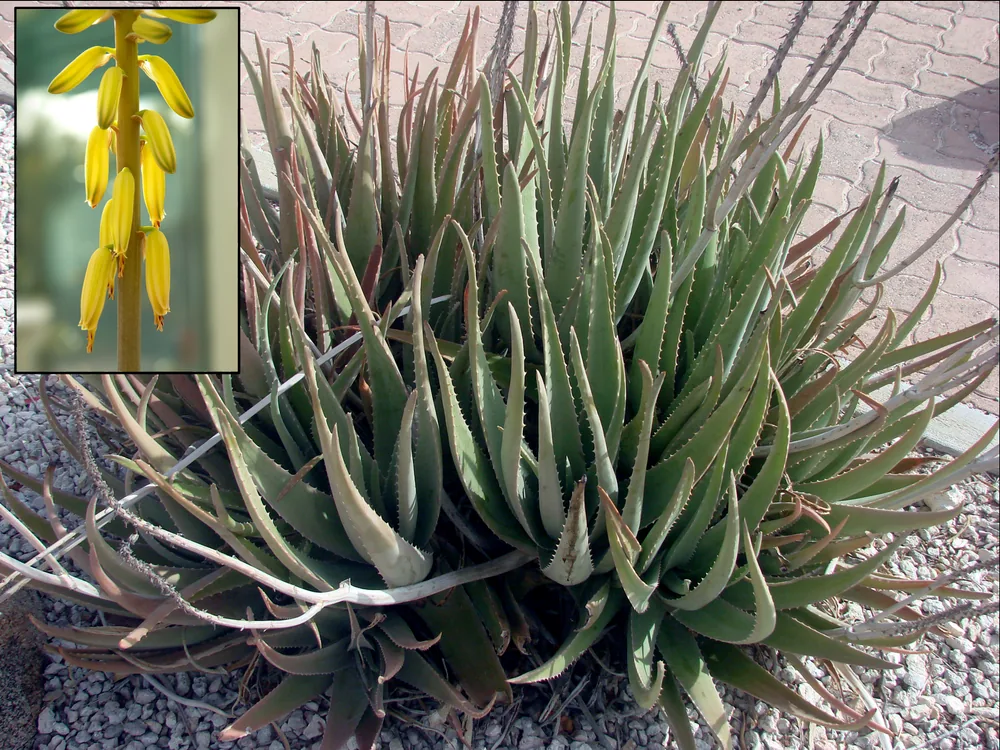
Aloe vera 'Chinensis'Aloe 'Aristata' (Lace Aloe)Aloe vera 'Variegata'
Light
Needs bright light and thrives with several hours of direct sun, such as a south-facing windowsill.
Water
Water deeply but infrequently, letting soil dry out completely between waterings, about every 2-3 weeks.
Humidity
Prefers dry air; typical indoor humidity is fine and excess moisture is harmful.
Soil
Fast-draining cactus or succulent mix, ideally with sand or pumice added.
Size
30-60cm tall and up to 75cm wide. It spreads by offsets.
Growth speed
Medium
Best position
east / south-east / south / south-west / west-facing windowanywhere up to about 2 m from the window
north / north-east / north-west-facing windowanywhere up to about 1 m from the window
See every window directionHide window directions
Best position
right by the window
about 1 m
about 2 m
about 4 m
4 m or more
north
works well✓
works well✓
too dark○
too dark○
too dark○
north-east
works well✓
works well✓
too dark○
too dark○
too dark○
east
works well✓
works well✓
works well✓
too dark○
too dark○
south-east
works well✓
works well✓
works well✓
too dark○
too dark○
south
works well✓
works well✓
works well✓
too dark○
too dark○
south-west
works well✓
works well✓
works well✓
too dark○
too dark○
west
works well✓
works well✓
works well✓
too dark○
too dark○
north-west
works well✓
works well✓
too dark○
too dark○
too dark○
✓works well~just about○too dark☼too much direct sun
A rough guide based on window direction and typical daylight through the year. Window size, curtains and whatever stands outside matter just as much.
!Toxic to pets
Toxic to cats and dogs if eaten.
Eating it can cause vomiting and an upset stomach.
If your pet has eaten some, contact your vet.
Source: ASPCA
Propagation tip
Mature aloe plants produce small offsets, or 'pups', at the base. Once a pup has a few of its own leaves and roots, it can be gently separated from the mother plant and potted on its own in dry cactus mix.
Care by Season
Spring
Resume regular watering as growth picks up and repot offsets if crowded.
Summer
Give as much direct sun as possible; water once the soil is fully dry.
Autumn
Reduce watering frequency as daylight and growth decrease.
Winter
Water only once every 4-6 weeks and keep in the brightest available spot.
Growing & Maintenance
Soil and pot
A very free-draining cactus and succulent mix. Use a pot with several drainage holes; clay is best because it lets the compost dry quickly.
Repotting
In spring, when offsets crowd the pot or the plant becomes top-heavy. Move up one size only.
Fertilising
Little is needed: a diluted liquid feed once or twice in spring and summer is enough. None in winter.
Pruning
Remove dried or damaged outer leaves at the base. Nothing else is needed.
Propagation
By division. Separate an offset that has its own roots, let the cut surface dry for a day or two, then pot it in dry cactus mix.
Pests & Diseases
Common problems
Soft, mushy, translucent leaves
Most likely cause: Overwatering. The roots rot in compost that stays wet.
What to do: Stop watering, remove the plant from the wet compost and cut away rotten tissue. Let it dry before repotting in fresh cactus mix.
Thin leaves that curl inward
Most likely cause: Too little water. The plant is using up the reserve in its leaves.
What to do: Water deeply, then let the compost dry out completely before the next watering.
Leaves turning brown or reddish
Most likely cause: Sun stress, usually after a sudden move into strong direct sun.
What to do: Give it a little shade for a while and increase the sun exposure gradually.
Pale, stretched, floppy growth
Most likely cause: Too little light.
What to do: Move it to the brightest windowsill you have, ideally south-facing.
Dark spots on the leaves
Most likely cause: A fungal leaf spot or aloe rust, encouraged by damp conditions.
What to do: Cut off affected leaves, keep water off the foliage and give the plant more air and sun.
Pests & Diseases
Mealybugs
Signs: White cottony clumps nestled between leaf bases.
Treatment: Remove with an alcohol-soaked cotton swab and isolate the plant. Check the undersides of the leaves and the crevices where the leaf stem meets the main stalk.
Root rot
Signs: Soft, translucent, mushy leaves and blackened roots from overwatering.
Treatment: Remove from soggy soil, cut away rotten tissue, and let it dry before repotting in fresh cactus mix.
Scale insects
Signs: Small brown discs stuck to leaf surfaces.
Treatment: Scrape off and wipe with rubbing alcohol or insecticidal soap.
FAQ
Why are my aloe vera leaves turning thin and curling inward?
This usually means the plant is short of water. Aloe stores water in its leaves, and during a long dry spell they shrink and fold as the reserve is used up. Water deeply and the leaves fill out again.
Can I use the gel from my houseplant aloe on skin?
Yes, the clear inner gel of a healthy leaf can be applied to the skin and is safe for most people. Rinse off the yellowish latex just under the skin of the leaf first, as it irritates some people.
How often should I water aloe vera?
About every 2-3 weeks, once the compost has dried out completely. Water even less in winter, roughly every 4-6 weeks. Wet roots rot quickly.
Why is my aloe vera turning soft and mushy?
The cause is almost always overwatering. Roots rot in wet compost and the leaves turn soft and translucent. Take the plant out, cut away the rot and repot in dry cactus mix.
Is aloe vera toxic to cats and dogs?
Yes, aloe vera is toxic to cats and dogs. Eating the leaves upsets the stomach. Keep the plant where pets cannot chew it.
How do I separate aloe vera pups?
Wait until a pup has a few leaves and roots of its own, then ease it away from the mother plant. Let the wound dry for a day or two and pot it in dry cactus mix. Water lightly after about a week.
Does aloe vera flower?
Yes, but only mature plants in good light. A plant at least three years old can send up a stem of tubular yellow to orange flowers.