No results. Is a plant missing? Tell uscontact@wikiplant.net
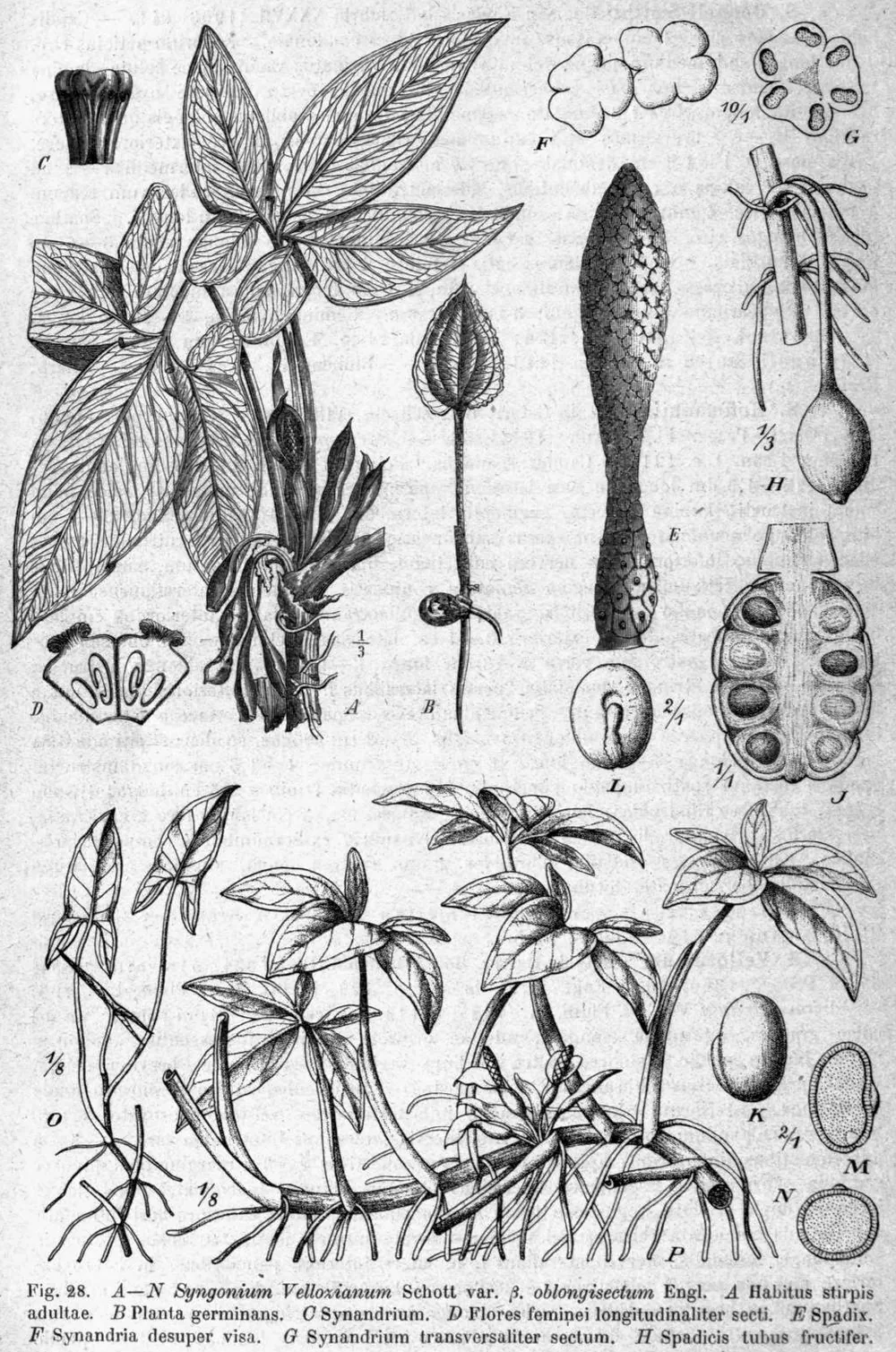
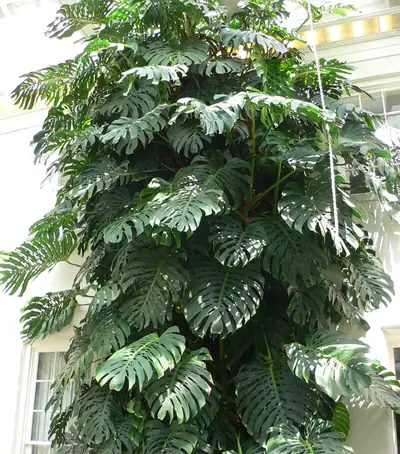
Syngonium podophyllum undergoes a striking transformation as it ages: young plants produce simple, arrow-shaped leaves in a compact rosette, but once mature and given something to climb, the leaves split into deeply lobed, almost hand-like shapes and the plant becomes a true climbing vine, a dramatic shift that surprises many first-time growers.
I have this plantSign in to add this plant to your library
Watch for strong direct sun at south / west windows.
| Best position | right by the window | about 1 m | about 2 m | about 4 m | 4 m or more |
|---|---|---|---|---|---|
| north | works well | works well | works well | just about | just about |
| north-east | works well | works well | works well | just about | just about |
| east | works well | works well | works well | works well | works well |
| south-east | works well | works well | works well | works well | works well |
| south | just about | works well | works well | works well | works well |
| south-west | just about | just about | works well | works well | works well |
| west | just about | works well | works well | works well | works well |
| north-west | works well | works well | works well | just about | just about |
works well just about too dark too much direct sun
A rough guide based on window direction and typical daylight through the year. Window size, curtains and whatever stands outside matter just as much.
Toxic to cats and dogs if eaten.
Chewing it can irritate the mouth, causing drooling and trouble swallowing.
If your pet has eaten some, contact your vet.
Source: ASPCA
Arrowhead Plant roots readily from stem cuttings taken just below a leaf node; placed in a glass of water, cuttings usually show new roots within 1-2 weeks and can then be potted up, making it an easy plant to multiply or share.
This is a natural part of the plant's maturity, since young Syngonium have simple arrow-shaped leaves that become increasingly lobed and divided as the plant ages and, especially, once it is given a pole or support to climb.
Either is fine, but climbing brings out the plant's more dramatic, deeply lobed mature leaf shape, while a trailing plant kept unsupported tends to stay in its simpler, arrow-shaped juvenile form for longer.
Yes, the Arrowhead Plant is toxic to cats and dogs. Chewing it irritates the mouth. Keep trailing stems out of reach of pets.
Roughly once a week, when the top 2-3cm of compost is dry. Water less in winter.
Cut off the long climbing stems as they start to develop. The plant then stays compact and keeps its arrow-shaped young leaves.
Take a stem cutting just below a leaf node and stand it in a glass of water. Pot it up once roots have formed.