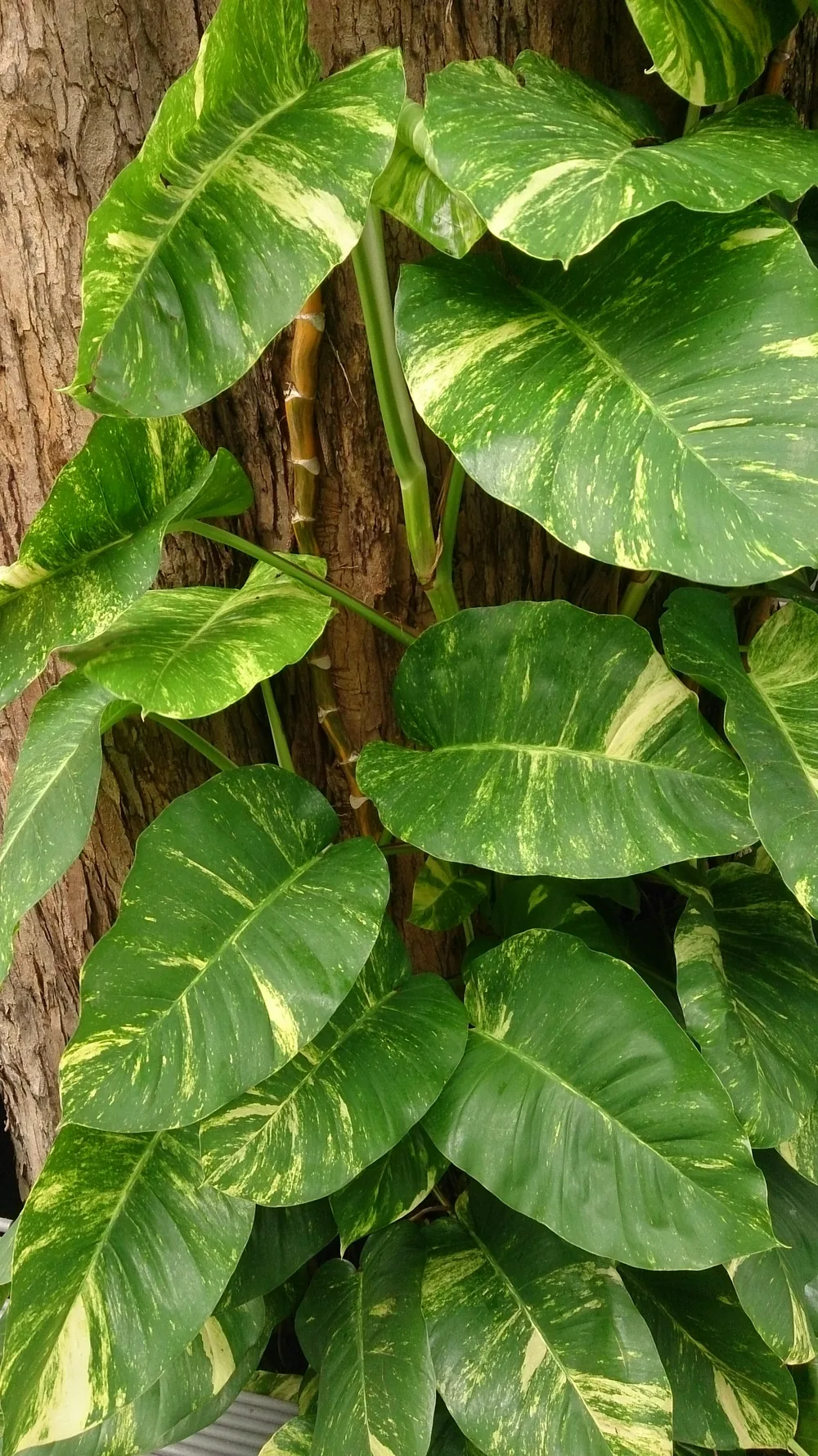
Pothos (Epipremnum aureum)

Pothos

Epipremnum aureum
Care level: Very easy

Pothos is so tough and fast-rooting in water that in parts of Southeast Asia and Australia it has escaped cultivation entirely and become an invasive vine, climbing trees and smothering the forest floor, the same trait that makes it nearly impossible to kill on a windowsill.

I have this plant

Information

Varieties and related species
Golden PothosMarble QueenNeon Pothos

Light

Low to bright indirect light

Water

Every 1-2 weeks, when soil is dry

Humidity

Adaptable, average humidity fine

Soil

Standard well-draining potting mix

Temperature

Grows best at 21-32°C and copes with normal room temperatures. Keep it out of draughts.

Size

Trailing or climbing vines, up to 12m long where they grow freely. Indoors they are usually kept much shorter by pruning.

Growth speed

Medium

Best position

  • east / south-east-facing windowanywhere up to 4 m or more from the window
  • north / north-east / north-west-facing windowanywhere up to about 2 m from the window
  • south / west-facing windowabout 1 m from the window or further back

Watch for strong direct sun at south / west windows.

See every window direction Hide window directions
Best positionright by the windowabout 1 mabout 2 mabout 4 m4 m or more
northworks wellworks wellworks welljust aboutjust about
north-eastworks wellworks wellworks welljust aboutjust about
eastworks wellworks wellworks wellworks wellworks well
south-eastworks wellworks wellworks wellworks wellworks well
southjust aboutworks wellworks wellworks wellworks well
south-westjust aboutjust aboutworks wellworks wellworks well
westjust aboutworks wellworks wellworks wellworks well
north-westworks wellworks wellworks welljust aboutjust about

works well just about too dark too much direct sun

A rough guide based on window direction and typical daylight through the year. Window size, curtains and whatever stands outside matter just as much.

Toxic to pets

Toxic to cats and dogs if eaten.

Chewing it can irritate the mouth, causing drooling and trouble swallowing.

If your pet has eaten some, contact your vet.

Source: ASPCA

Propagation tip

Cut just below a node (the small brown bump where a leaf meets the stem) and place it in water, roots typically appear within 1-2 weeks, making Pothos one of the easiest houseplants to propagate and share.

Care by Season

Spring

Resume feeding monthly; great time to propagate cuttings.

Summer

Water regularly, trim leggy vines to encourage fullness.

Autumn

Taper watering and feeding as growth slows.

Winter

Let soil dry longer between waterings; avoid cold windows.

Growing & Maintenance

Soil and pot

Standard potting compost lightened with a handful of perlite, in a pot with drainage holes. It is happy slightly snug in its pot.

Repotting

Every 2-3 years in spring, when roots fill the pot or show at the drainage holes. Move up one pot size only.

Fertilising

A balanced liquid houseplant feed once a month in spring and summer. No feeding in winter.

Pruning

Trim leggy vines just above a leaf at any time in the growing season. Long bare stems can be cut back hard, to about 5cm above the soil, to make the plant fuller from the base.

Support

Let it trail from a shelf or hanging basket, or train it up a moss pole. Climbing stems produce noticeably larger leaves than trailing ones.

Propagation

Stem cuttings with one or two nodes root in a glass of water within 2-4 weeks. Plant several rooted cuttings together in one pot for a full plant.

Pests & Diseases

Common problems

Yellow leaves

Most likely cause: Most often overwatering. A single old leaf yellowing at the base of a vine is natural ageing.
What to do: Water only when the surface of the compost is dry and never leave the pot standing in water. Pick off the odd old yellow leaf.

Black or brown leaf tips and edges

Most likely cause: Uneven watering, either too much or too little, or a build-up of fertiliser salts in the compost.
What to do: Water on a steady rhythm, rinse the compost through with plenty of water now and then, and feed less.

Variegation fading to plain green

Most likely cause: Too little light.
What to do: Move the plant to brighter, indirect light. New leaves should come in variegated again.

Long, bare vines with leaves only at the ends

Most likely cause: Older leaves drop off naturally over time, and low light makes it worse.
What to do: Cut the vines back, to about 5cm above the compost if necessary, and root the cuttings to plant back into the pot.

Limp, drooping leaves

Most likely cause: Usually compost that has dried out completely. If the compost is wet, suspect root rot.
What to do: Dry: water thoroughly and the leaves recover. Wet: stop watering and check the roots; brown or missing roots mean rot.

Brown patches in the middle of the leaves

Most likely cause: Cold, or a sudden drop in temperature.
What to do: Keep the plant out of draughts and away from cold windows in winter.

Pests & Diseases

Spider mites

Signs: Tiny speckles, fine webs under leaves
Treatment: Rinse leaves, apply neem oil weekly. Check the undersides of the leaves and the crevices where the leaf stem meets the main stalk.

Scale

Signs: Small brown bumps on stems
Treatment: Scrape off gently, treat with insecticidal soap.

Mealybugs

Signs: White, cottony masses in the leaf joints and under the leaves, often with sticky honeydew
Treatment: Dab them off with a cotton swab dipped in rubbing alcohol and repeat weekly. A badly infested plant is better replaced by clean cuttings. Check the undersides of the leaves and the crevices where the leaf stem meets the main stalk.

Root rot

Signs: Brown or missing roots, yellow leaves with blackened tips
Treatment: Usually from overwatering. Cut away the rotten roots, repot in fresh mix and water less.

FAQ

Is Pothos the same plant as Philodendron?

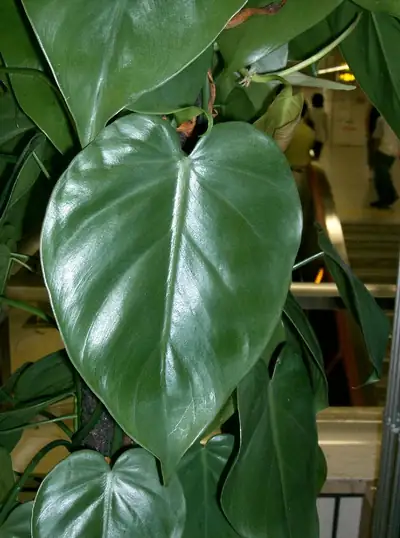
No, they are two different plants from the same family. Pothos has thicker, waxier leaves on a grooved leaf stalk, and its new leaves unfurl without a sheath. On a heartleaf Philodendron the leaves are thinner and more heart-shaped, and each new leaf emerges from a papery sheath.

Why has my Pothos lost its yellow or white variegation?

Because it is not getting enough light. In low light the plant produces greener leaves. Move it to brighter, indirect light and the new growth should be variegated again.

How often should I water a Pothos?

About every 1-2 weeks, once the surface of the compost is dry. Pothos copes better with drying out a little than with wet roots. Water less often in winter.

Why are the leaves of my Pothos turning yellow?

The usual cause is overwatering. Roots in constantly wet compost start to rot, and the leaves turn yellow, often with blackened tips. An occasional old leaf turning yellow near the base of a vine is normal.

How do I propagate a Pothos?

Take a stem cutting with at least one node and stand it in a glass of water. Roots form within a few weeks. Plant several rooted cuttings together in one pot for a full plant.

How do I make my Pothos fuller?

Prune the long vines and plant the cuttings back into the same pot. Cutting just above a leaf makes the stem branch, and bare vines can be cut back to about 5cm above the compost.

Is Pothos toxic to cats and dogs?

Yes, Pothos is toxic to cats and dogs. It contains calcium oxalate crystals that irritate the mouth when chewed, and the sap can also irritate skin. Hang it or place it where pets cannot reach the vines.

Does a Pothos flower?

Not as a houseplant. Only the mature, climbing form of the plant flowers, and plants grown indoors stay in their juvenile form. It is grown for its leaves.

You might also like