No results. Is a plant missing? Tell uscontact@wikiplant.net
Bird's Nest Fern
Asplenium nidus
Care level: Moderate
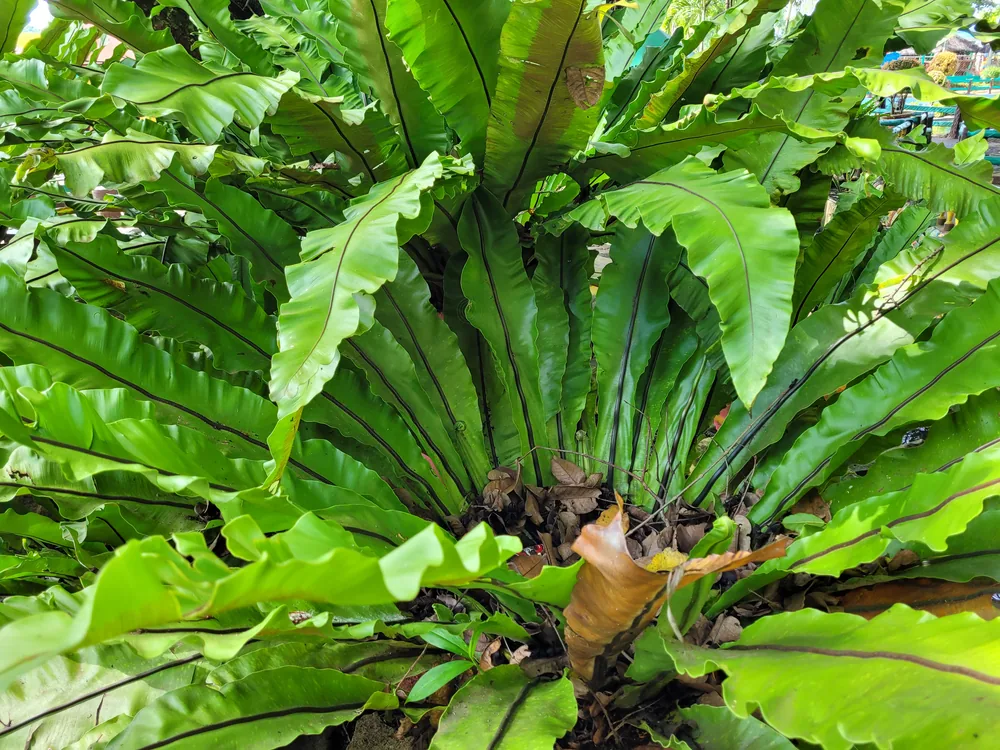
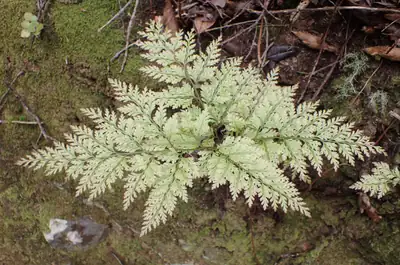
In its native rainforests across Asia and Australia, Asplenium nidus grows perched high in tree canopies, catching falling leaf litter and rainwater in the funnel-shaped rosette that gives it its common name. Unlike feathery lace-leaf ferns, its broad, undivided fronds unfurl from the center like a single wave, making it one of the few ferns that reads as bold and architectural rather than delicate.
Low to medium indirect light; avoid direct sun which burns the broad fronds.
Water
Keep soil evenly moist, watering roughly once a week and letting the top layer dry slightly between waterings.
Humidity
Thrives in high humidity above 50%; benefits from regular misting or a humidity tray.
Soil
Loose, well-draining epiphytic mix such as orchid bark blended with peat and perlite.
Temperature
16-21°C is ideal. It does not survive below 4°C.
Size
Fronds can reach 0.9-1.5m in ideal conditions, with a spread of 60-90cm.
Growth speed
Slow
Best position
north / north-east-facing windowanywhere up to about 2 m from the window
east-facing windowabout 1 m from the window or further back
west-facing windowabout 2 m from the window or further back
Watch for strong direct sun at east / west windows.
See every window directionHide window directions
Best position
right by the window
about 1 m
about 2 m
about 4 m
4 m or more
north
works well✓
works well✓
works well✓
just about~
just about~
north-east
works well✓
works well✓
works well✓
just about~
just about~
east
just about~
works well✓
works well✓
works well✓
works well✓
south-east
too much direct sun☼
just about~
just about~
works well✓
works well✓
south
too much direct sun☼
too much direct sun☼
too much direct sun☼
just about~
works well✓
south-west
too much direct sun☼
too much direct sun☼
just about~
works well✓
works well✓
west
too much direct sun☼
too much direct sun☼
works well✓
works well✓
works well✓
north-west
too much direct sun☼
just about~
works well✓
just about~
just about~
✓works well~just about○too dark☼too much direct sun
A rough guide based on window direction and typical daylight through the year. Window size, curtains and whatever stands outside matter just as much.
?Pet safety not confirmed
As a precaution, keep it out of reach of children and pets.
Common mistake
Watering directly into the crown's tight central rosette, rather than around the soil edge, is the top reason bird's nest ferns rot, trapped water sits between the tightly packed new fronds and encourages fungal and bacterial decay right where new growth emerges.
Care by Season
Spring
Begin light monthly feeding as new fiddlehead fronds emerge from the central rosette.
Summer
Water consistently and boost humidity in hot, dry conditions; avoid touching the tender new fronds.
Autumn
Reduce feeding and watch for lower humidity as indoor heating starts.
Winter
Water more sparingly, avoid cold drafts, and hold off on fertilizer until spring.
Growing & Maintenance
Soil and pot
A rich, moist, porous mix such as a fern potting mix, or orchid bark blended with peat and perlite.
Fertilising
A dilute liquid feed once a month while the plant is actively growing. None in winter.
Pruning
Cut dead or damaged outer fronds off at the base. Handle the plant gently: the fronds are fragile and mark easily.
Pests & Diseases
Common problems
The centre of the plant rots
Most likely cause: Water trapped in the tight central rosette.
What to do: Water around the edge of the pot, at soil level, never into the crown.
New fronds emerge curled or stuck together
Most likely cause: Low humidity, or being touched while they unfurl.
What to do: Raise the humidity and leave the new fronds alone.
Yellowing fronds and stalled growth
Most likely cause: Too much sun.
What to do: Move it to light shade, such as a north-facing window.
Brown, crispy frond edges
Most likely cause: Dry air.
What to do: Stand the pot on a tray of wet pebbles or use a humidifier.
Brown lines under the fronds
Most likely cause: Normal. They are the spore cases of a mature fern.
What to do: Nothing to do.
Pests & Diseases
Scale insects
Signs: Small brown or tan bumps clustered along the frond midribs.
Treatment: Wipe off with a damp cloth or alcohol swab, then apply insecticidal soap if the infestation persists.
Mealybugs
Signs: White cottony masses in the crown or along frond bases.
Treatment: Dab affected areas with rubbing-alcohol on a cotton swab, repeating weekly until gone. Check the undersides of the leaves and the crevices where the leaf stem meets the main stalk.
Root and crown rot
Signs: Blackened, mushy base and wilting fronds from waterlogged soil.
Treatment: Cut back watering, improve drainage, and remove any decayed tissue promptly.
FAQ
Is it okay to water into the center rosette of my bird's nest fern?
It's best avoided; water around the base at the soil line instead, since moisture trapped in the tightly furled crown is the most common cause of crown rot in this species.
Why are new fronds on my bird's nest fern emerging curled and stuck together?
New fronds unfurl slowly from the center and are especially fragile; low humidity or physical contact while they're still tender can cause them to stick or deform, so avoid touching them and keep humidity consistently high while they open.
How much light does a Bird's Nest Fern need?
It needs low to medium indirect light. A north-facing window suits it. Too much sun turns the fronds yellow and can stop growth.
How often should I water a Bird's Nest Fern?
Roughly once a week, keeping the mix evenly moist and letting the top layer dry slightly. Water at the edge of the pot, not into the centre of the plant.
Does a Bird's Nest Fern need feeding?
Yes, lightly. Give it a dilute liquid fertiliser once a month while it is growing, and none in winter.
What temperature does a Bird's Nest Fern like?
Between 16 and 21°C. It does not tolerate frost or dry air, and will not survive below 4°C.