No results. Is a plant missing? Tell uscontact@wikiplant.net
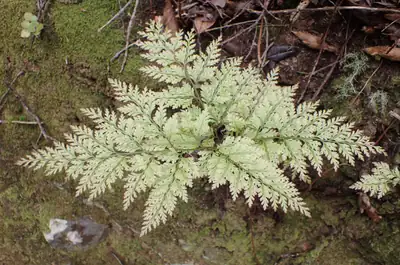
Boston Fern
Nephrolepis exaltata
Care level: Moderate
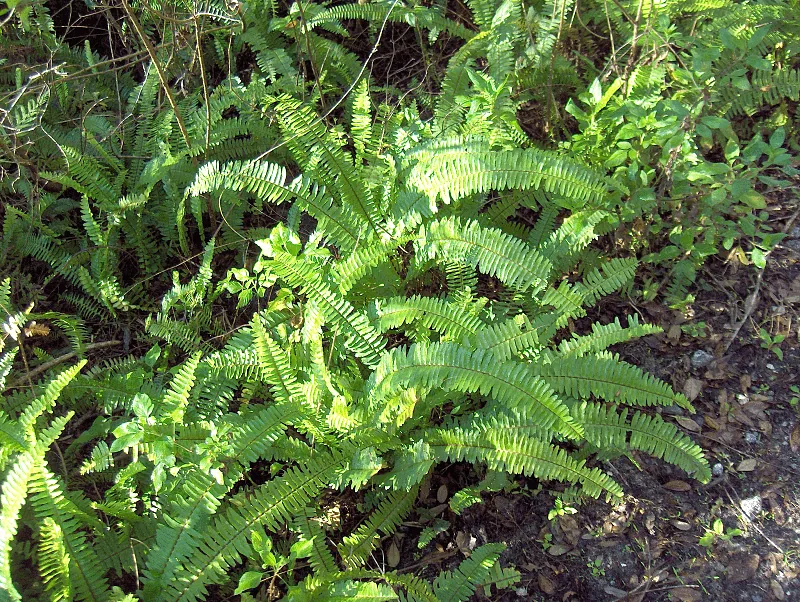
Boston ferns have been a hanging-porch staple since the Victorian houseplant craze of the 1890s, and their finely divided fronds evolved on the humid forest floors of the tropics and subtropics, which is exactly why dry indoor air causes them to shed leaflets so readily.
Prefers medium, indirect light and never tolerates direct sun, which burns its delicate fronds.
Water
Keep soil consistently moist, watering every few days to weekly; never let it dry out fully.
Humidity
Needs high humidity of 50% or more; dry air causes fronds to shed and brown.
Soil
Rich, moisture-retentive but well-draining potting mix.
Temperature
16-21°C.
Size
60-90cm tall and wide.
Growth speed
Fast
Best position
north / north-east-facing windowanywhere up to about 2 m from the window
east-facing windowabout 1 m from the window or further back
west-facing windowabout 2 m from the window or further back
Watch for strong direct sun at east / west windows.
See every window directionHide window directions
Best position
right by the window
about 1 m
about 2 m
about 4 m
4 m or more
north
works well✓
works well✓
works well✓
just about~
just about~
north-east
works well✓
works well✓
works well✓
just about~
just about~
east
just about~
works well✓
works well✓
works well✓
works well✓
south-east
too much direct sun☼
just about~
just about~
works well✓
works well✓
south
too much direct sun☼
too much direct sun☼
too much direct sun☼
just about~
works well✓
south-west
too much direct sun☼
too much direct sun☼
just about~
works well✓
works well✓
west
too much direct sun☼
too much direct sun☼
works well✓
works well✓
works well✓
north-west
too much direct sun☼
just about~
works well✓
just about~
just about~
✓works well~just about○too dark☼too much direct sun
A rough guide based on window direction and typical daylight through the year. Window size, curtains and whatever stands outside matter just as much.
✓Non-toxic to pets
Considered non-toxic to cats and dogs.
Source: ASPCA
Common mistake
The small brown dots that sometimes appear in neat rows on the underside of Boston fern fronds are often mistaken for a pest infestation and treated unnecessarily. They are usually just spore cases (sori), a normal part of how ferns reproduce.
Care by Season
Spring
Resume light feeding monthly and trim any winter-damaged fronds.
Summer
Keep soil consistently moist and humidity high; mist regularly.
Autumn
Continue steady moisture as heating starts drying indoor air.
Winter
Water slightly less but never let it dry out; use a humidifier or pebble tray to offset dry heated air.
Growing & Maintenance
Soil and pot
A rich potting mix that holds moisture but drains, in a pot with drainage holes.
Fertilising
A light feed once a month in spring and summer.
Pruning
Cut brown or winter-damaged fronds off at the base in spring.
Propagation
By dividing the clump in spring.
Pests & Diseases
Common problems
Heavy shedding of leaflets
Most likely cause: Dry air.
What to do: Raise the humidity to 50% or more with a humidifier or a pebble tray.
Brown, crispy frond tips
Most likely cause: Dry air, or compost that has been allowed to dry.
What to do: Keep the compost evenly moist and the air humid, away from radiators.
Scorched fronds
Most likely cause: Direct sun.
What to do: Move it to medium, indirect light.
Limp, grey-green fronds
Most likely cause: The compost has dried out.
What to do: Water thoroughly at once and never let it dry out fully again.
Rows of brown dots under the fronds
Most likely cause: Normal. They are spore cases, not a disease or a pest.
What to do: Nothing to do.
Pests & Diseases
Spider mites
Signs: Fine webbing and browning, dry fronds, especially in low humidity.
Treatment: Raise humidity, rinse fronds, and apply insecticidal soap. Check the undersides of the leaves and the crevices where the leaf stem meets the main stalk.
Mealybugs
Signs: White cottony deposits along frond stems.
Treatment: Dab affected areas with an alcohol-soaked cotton swab. Check the undersides of the leaves and the crevices where the leaf stem meets the main stalk.
Frond browning
Signs: Dry, crispy fronds from low humidity or inconsistent watering.
Treatment: Increase humidity and maintain even soil moisture; trim damaged fronds.
FAQ
Why is my Boston fern shedding so many leaflets?
Heavy shedding is almost always a humidity problem. This fern needs consistently moist air, and dry indoor conditions, especially near heaters or air conditioning, cause leaflets to yellow and drop.
Are the brown spots under my Boston fern's fronds a disease?
Usually not. Small, evenly spaced brown dots on the underside of mature fronds are typically spore cases used for reproduction, not pests or disease, though it's still worth checking for webbing if you're unsure.
Is the Boston fern safe for cats and dogs?
Yes, the Boston fern is not toxic to cats or dogs.
How often should I water a Boston fern?
Every few days to weekly, often enough that the compost never dries out. Water a little less in winter, when the plant rests.
What temperature does a Boston fern need?
Between 16 and 21°C, with high humidity. Warm, dry air from heating is what makes it shed.
How do I propagate a Boston fern?
By division. Split the clump into sections with roots and fronds in spring and pot them separately.