No results. Is a plant missing? Tell uscontact@wikiplant.net
Maidenhair Fern
Adiantum raddianum
Care level: Difficult
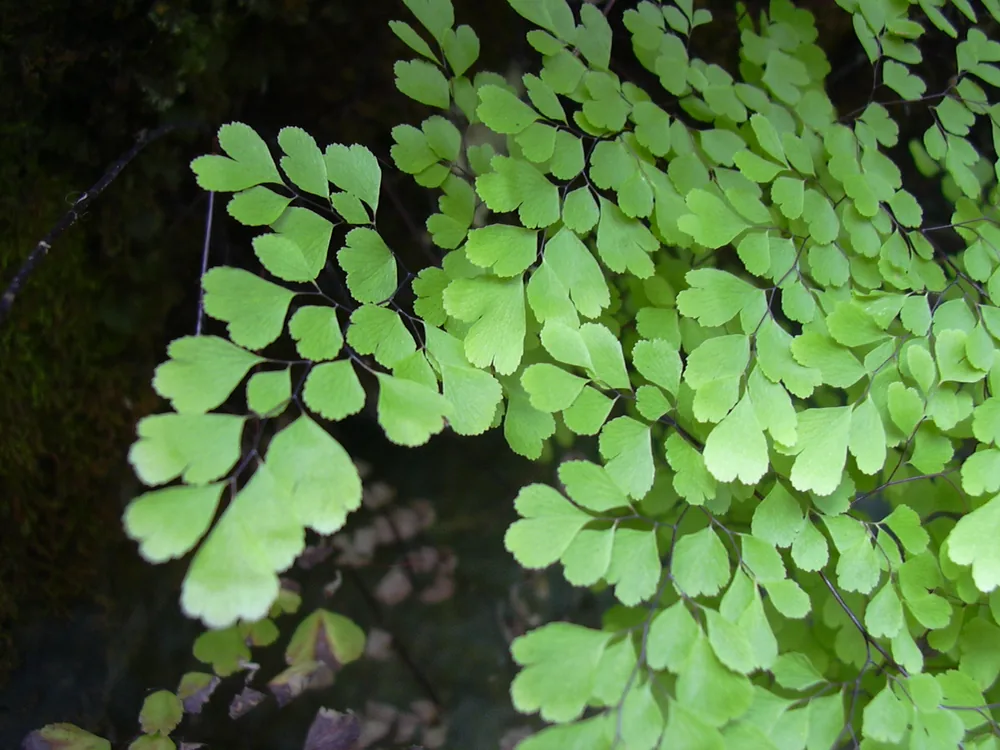
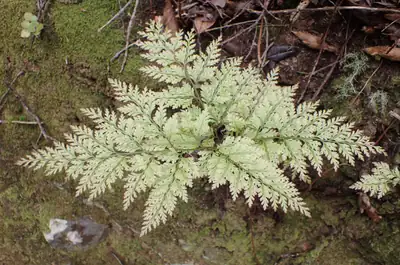
Maidenhair ferns get their name from the wiry, near-black stems that fan out like hair beneath a cascade of bright green leaflets, a look so delicate that Victorian plant collectors prized them as parlor showpieces despite their reputation for being fussy. In the wild, Adiantum raddianum grows tucked into shaded rock crevices near waterfalls and streams, which explains why it craves constant moisture and humidity that most houseplants would find excessive.
Bright, indirect or filtered light; direct sun scorches the delicate fronds.
Water
Keep soil consistently moist but never soggy, watering every 3-5 days as the surface starts to feel dry.
Humidity
Needs high humidity above 60%; misting, a pebble tray, or a bathroom setting helps a lot.
Soil
Light, moisture-retentive mix such as peat-based potting soil with added perlite.
Size
30-60cm tall and wide.
Growth speed
Medium
Best position
north / north-east-facing windowanywhere up to about 1 m from the window
east-facing windowabout 1 m from the window or further back
west-facing windowabout 2 m from the window or further back
Watch for strong direct sun at east / west windows.
See every window directionHide window directions
Best position
right by the window
about 1 m
about 2 m
about 4 m
4 m or more
north
works well✓
works well✓
too dark○
too dark○
too dark○
north-east
works well✓
works well✓
too dark○
too dark○
too dark○
east
just about~
works well✓
works well✓
too dark○
too dark○
south-east
too much direct sun☼
just about~
just about~
too dark○
too dark○
south
too much direct sun☼
too much direct sun☼
too much direct sun☼
too dark○
too dark○
south-west
too much direct sun☼
too much direct sun☼
just about~
too dark○
too dark○
west
too much direct sun☼
too much direct sun☼
works well✓
too dark○
too dark○
north-west
too much direct sun☼
just about~
too dark○
too dark○
too dark○
✓works well~just about○too dark☼too much direct sun
A rough guide based on window direction and typical daylight through the year. Window size, curtains and whatever stands outside matter just as much.
?Pet safety not confirmed
As a precaution, keep it out of reach of children and pets.
Common mistake
The single biggest killer of maidenhair ferns is letting the soil dry out even once; unlike most houseplants that forgive a missed watering, this fern's fine roots and thin fronds can crisp up and die back within a day of drying out completely.
Care by Season
Spring
Resume light feeding with diluted fertilizer and check that humidity stays high as new fronds unfurl.
Summer
Water frequently and mist often, keeping the plant out of hot direct sun and drafts.
Autumn
Taper off feeding and watch for drying indoor air as heating systems switch on.
Winter
Water a little less but never let the soil fully dry; keep away from cold windows and heater vents.
Growing & Maintenance
Soil and pot
A light, moisture-retentive, peat-based mix with added perlite. The roots must never dry out.
Fertilising
A light feed with diluted fertiliser in spring and summer, while new fronds unfurl.
Pruning
Cut dead or brown fronds off at soil level. New ones come up from the rhizome.
Propagation
By division. It spreads by creeping rhizomes, which can be split when you repot.
Pests & Diseases
Common problems
Fronds suddenly brown and crispy
Most likely cause: The compost dried out, or the plant sat in a dry draught.
What to do: Cut the dead fronds off at soil level, keep the compost evenly moist and the air humid. New fronds often follow.
Scorched fronds
Most likely cause: Direct sun.
What to do: Move it to bright, filtered light.
Weak, sparse growth
Most likely cause: Too much shade.
What to do: Give it brighter indirect light.
Shrivelled frond tips
Most likely cause: Dry air.
What to do: Raise the humidity above 60%, or move the plant to a bathroom.
Yellow fronds in soggy compost
Most likely cause: Waterlogged compost.
What to do: Keep it moist but never soggy and make sure the pot drains.
Pests & Diseases
Spider mites
Signs: Fine webbing and tiny pale speckling on fronds, especially in dry air.
Treatment: Raise humidity, rinse fronds gently with lukewarm water, and isolate the plant from other houseplants. Check the undersides of the leaves and the crevices where the leaf stem meets the main stalk.
Scale insects
Signs: Small brown bumps on stems that don't wipe off easily.
Treatment: Scrape off gently and treat with insecticidal soap, repeating every week or two.
Fungal leaf spot
Signs: Dark, wet-looking blotches on fronds from excess moisture on leaves.
Treatment: Improve air circulation, avoid wetting foliage, and remove affected fronds promptly.
FAQ
Why did all my maidenhair fern's fronds suddenly turn brown and crispy?
This almost always means the soil dried out or the plant sat in a dry draft; even one dry spell can kill entire fronds, though the crown can often resprout if you resume consistent moisture and humidity right away.
Can a maidenhair fern recover after it looks completely dead?
Often yes: cut back all the dead fronds to the soil line, keep the soil evenly moist and humidity high, and new fiddleheads frequently emerge from the crown within a few weeks.
How often should I water a maidenhair fern?
Every 3-5 days, as soon as the surface starts to feel dry. The compost should stay constantly moist. Even one dry spell can kill the fronds.
How much light does a maidenhair fern need?
It needs bright, indirect or filtered light. It loses vigour in deep shade and scorches in direct sun.
Is a bathroom a good place for a maidenhair fern?
Yes, as long as it has a window. The humid air of a bathroom suits this fern very well, and it also does well in a terrarium.
How do I propagate a maidenhair fern?
By division. Split the clump and its creeping rhizomes into sections when you repot, and keep the pieces moist and humid.