No results. Is a plant missing? Tell uscontact@wikiplant.net
Mexican Orange Blossom
Choisya ternata
Care level: Easy
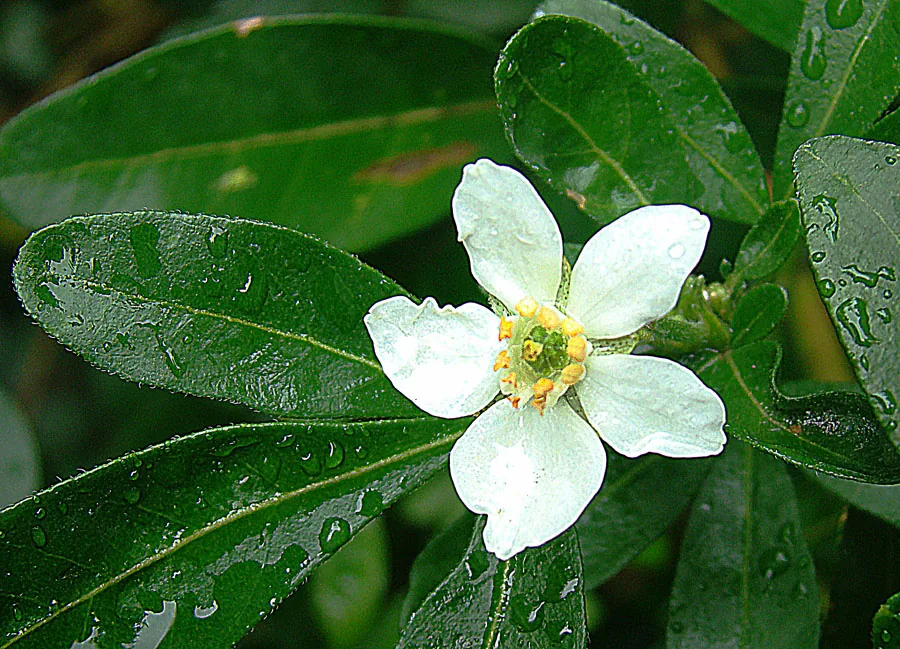
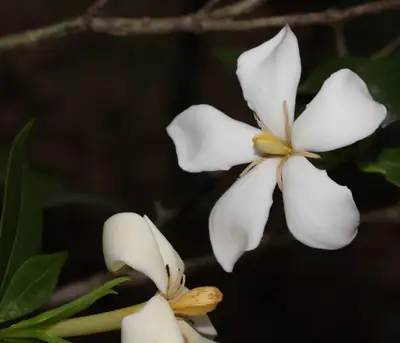
Mexican Orange Blossom is an evergreen shrub grown for three things at once: glossy leaves that stay all winter, clusters of white scented flowers in late spring, and aromatic foliage that smells of citrus when you brush past it. Despite the name it is not a citrus, though it belongs to the same family. It is one of the most useful shrubs for a low-maintenance garden, holding its shape without pruning and looking presentable in every month of the year.
Choisya ternata 'Sundance'Choisya x dewitteana 'Aztec Pearl'Choisya ternata 'Goldfingers'
Light
Full sun to light shade. The plain green species is happy in more shade than the golden forms, which need sun to keep their colour but scorch in the hottest positions.
Water
Water through the first summer after planting. Established plants are drought-tolerant, and far more are killed by winter wet than by summer dryness.
Humidity
Not a factor outdoors, though a spot sheltered from cold drying wind keeps the evergreen leaves in better condition through winter.
Soil
Well-drained above all else. Choisya is not fussy about pH but will not survive a heavy soil that stays wet in winter; plant on a slight mound if in doubt.
Temperature
Hardy to about -10°C. Shelter it from cold, drying wind.
As a precaution, keep it out of reach of children and pets.
Signature feature
Everything about the plant is scented, not just the flowers. The leaves release a sharp citrus-and-basil smell when crushed or brushed, which is why it is worth planting beside a path or a door rather than at the back of a border where nobody touches it.
Care by Season
Spring
Main flowering, usually May. Feed with a general fertiliser as growth starts. Any shaping is best done right after the flowers fade.
Summer
Little needed. Deadheading the first flush encourages a second one later in the season. Water new plants in dry spells.
Autumn
Often a second, lighter flowering. Avoid pruning now: soft new growth stimulated late will not harden before frost.
Winter
Evergreen and hardy to roughly -10°C, which covers most of western Europe but not a hard continental winter. Cold wind does more visible damage than cold alone; leaves scorched by frost can be left until spring growth hides them.
Growing & Maintenance
Planting
In well-drained soil, in sun or light shade, sheltered from cold wind. Water through the first summer.
Fertilising
A general fertiliser in spring, as growth starts.
Pruning
Usually not needed. Do any shaping straight after the main flowering, and do not prune in autumn.
Propagation
From stem cuttings.
Pests & Diseases
Common problems
Yellow, sparse foliage
Most likely cause: Waterlogged soil. The roots rot in winter wet.
What to do: Improve the drainage, or lift the plant and replant it in a drier spot.
Brown, scorched leaves after winter
Most likely cause: Frost scorch, often from cold, drying wind.
What to do: Leave the damaged growth until spring, then trim it back to healthy wood.
A whole branch dying back
Most likely cause: Often root rot in soil that drains poorly.
What to do: Cut the branch out and improve the drainage.
Holes in the leaves and slime trails
Most likely cause: Snails.
What to do: Pick them off by hand in the evening after rain.
Few flowers
Most likely cause: Too much shade.
What to do: Move it to a sunnier, sheltered position.
Pests & Diseases
Snails
Signs: Irregular holes chewed out of the lower leaves, with silvery trails on the stems, worst on a plant in a damp shady corner.
Treatment: Remove them by hand in the evening after rain. An established shrub easily outgrows the damage, which is cosmetic.
Root rot
Signs: Whole-plant yellowing, then branch dieback, on soil that stays wet; roots are brown and soft instead of firm and pale.
Treatment: Not treatable in place. Improve drainage, or lift and replant on a raised mound of gritty soil. Prevention is the only real answer.
Frost scorch
Signs: Leaves browned or bleached on the windward side only, typically after a cold snap with wind, with the sheltered side untouched.
Treatment: Not a disease and needs no treatment. Leave the damaged leaves in place as protection and let the spring flush cover them.
FAQ
Why has my Choisya gone yellow and sparse?
Two common causes. Waterlogged soil is the usual one: Choisya roots rot in winter wet, and the leaves go pale yellow across the whole plant before branches start dying. The other is a hard frost with wind, which scorches the leaves brown-yellow on the exposed side only. Frost damage grows out; waterlogging does not, and the plant needs moving somewhere better drained.
Does Choisya flower twice?
Often yes. The main flush is in late spring, and a well-fed plant in a warm position frequently produces a second, lighter flush in late summer or early autumn. Cutting off the spent flower clusters after the first flush makes the second one more likely, and is the only pruning most plants ever need.
How hardy is Mexican Orange Blossom?
It is hardy to roughly -10°C. A spot sheltered from cold, drying wind keeps the evergreen leaves in good condition.
How big does Mexican Orange Blossom get?
Between 1.2 and 2.4m tall and wide. Young plants grow quickly and slow down with age.
When should I prune Mexican Orange Blossom?
Straight after the main flowering in late spring, and only if it needs shaping. Avoid pruning in autumn, because soft new growth does not harden before winter.
Where should I plant Mexican Orange Blossom?
In well-drained soil in sun or light shade, out of cold wind. Heavy soil that stays wet in winter is what kills it.