No results. Is a plant missing? Tell uscontact@wikiplant.net
Chrysanthemum
Chrysanthemum x morifolium
Care level: Moderate
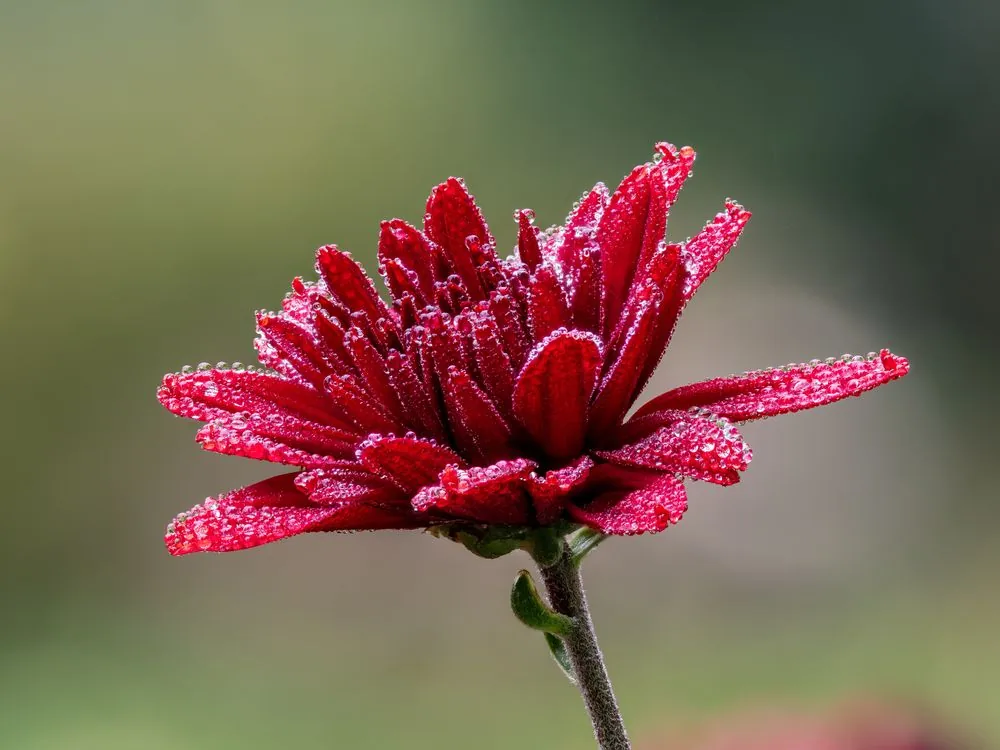
The garden chrysanthemum is an old hybrid of several Chinese species and the flower of autumn across Europe. It forms a bushy clump of aromatic, lobed, grey-green leaves and, as the days shorten, covers itself in flowers in every warm colour, white and pink, from simple daisies to pompons, spiders and great incurved globes. Hardy garden types come back each year in sun and well-drained soil. The dense, dome-shaped pot plants sold in autumn are the same plant, forced into perfect shape, and are usually treated as temporary colour.
Chrysanthemum 'Mei-kyo'Chrysanthemum 'Clara Curtis'Chrysanthemum 'Emperor of China'
Light
Full sun.
Water
Water regularly in dry spells while the plants are growing and budding. Pot plants in flower need water almost daily. Avoid waterlogged soil in winter.
Humidity
Not a factor for this outdoor plant.
Soil
Fertile, well-drained soil improved with garden compost. Heavy, wet soil rots the crowns in winter.
Temperature
Hardy garden types survive most winters in well-drained soil. Pot chrysanthemums sold in flower are less hardy and often do not overwinter.
Size
30-90cm tall and 30-60cm wide.
Growth speed
Fast
!Toxic to pets
Toxic to cats and dogs if eaten.
Eating it can cause vomiting and an upset stomach.
If your pet has eaten some, contact your vet.
Source: NC State Extension, Pet Poison Helpline
Beginner tip
Pinch out the tips. When the shoots are about 15-20cm tall in late spring, nip off the top few centimetres, and repeat on the side shoots until early summer. Each pinch doubles the number of stems and flowers and keeps the plant low enough to stand without staking.
Care by Season
Spring
New shoots appear. Take cuttings or divide, plant out and start pinching the tips.
Summer
Stop pinching by midsummer. Water in dry weather, feed and stake tall varieties.
Autumn
Flowering. Remove faded flowers, then cut the stems back and mulch.
Winter
Dormant. Keep the crowns from standing wet, or store lifted clumps frost free.
Growing & Maintenance
Planting
Plant in late spring, 40-50cm apart, in full sun and well-drained soil. Space plants so that air can move between them.
Fertilising
Feed every two weeks from early summer until the buds show colour, using a balanced fertiliser at first and a high-potash one once buds form.
Pruning
Pinch out the shoot tips from late spring to early summer. Deadhead during flowering and cut the stems to about 15cm afterwards.
Support
Stake tall, large-flowered varieties with canes and string. Well-pinched garden types usually stand unaided.
Propagation
By basal cuttings in spring or by division in spring, replanting only the young outer shoots.
Pests & Diseases
Common problems
Tall, bare stems that fall over
Most likely cause: No pinching in spring, or too little sun.
What to do: Pinch the tips next year and grow in full sun; stake for now.
Few flowers
Most likely cause: Pinching too late, shade or too much nitrogen.
What to do: Stop pinching by midsummer and switch to a high-potash feed.
The plant did not return in spring
Most likely cause: Winter wet, or a pot plant set out too late to root.
What to do: Improve the drainage, mulch the crown or lift and store it.
Lower leaves brown and crisp
Most likely cause: Dry soil, or eelworm.
What to do: Water regularly; destroy plants with wedge-shaped dead patches.
A pot plant wilts every day
Most likely cause: A root ball too crowded to hold water.
What to do: Stand the pot in water for half an hour, then plant it out or move it to a larger pot.
An old clump flowers poorly
Most likely cause: A woody, exhausted centre.
What to do: Divide in spring or start again from cuttings.
Pests & Diseases
Aphids
Signs: Clusters of small insects on shoot tips and buds, with distorted leaves and sticky honeydew.
Treatment: Rub or rinse them off early.
Chrysanthemum leaf miner
Signs: Pale, winding tunnels inside the leaves.
Treatment: Pick off and destroy affected leaves.
Chrysanthemum white rust
Signs: Pale, sunken spots on the upper leaf surface and waxy, buff-white pustules underneath.
Treatment: Remove and destroy affected plants promptly and do not take cuttings from them.
Powdery mildew
Signs: A white powdery coating on the leaves in late summer and autumn.
Treatment: Water at the base in dry spells, give the plants more space and remove the worst leaves.
Leaf and bud eelworm
Signs: Brown or black wedge-shaped patches between the leaf veins, spreading up the stems from the base.
Treatment: Remove and destroy affected plants and do not compost them.
FAQ
Can I plant my autumn pot chrysanthemum in the garden?
You can try, but many do not survive. They are sold in full flower, late in the year, with crowded roots and no time to establish before winter. Plant it at once in a sunny, well-drained spot, mulch the crown, and treat it as a bonus if it shoots again in spring. For reliable plants, buy named hardy varieties in spring.
Why do chrysanthemums flower in autumn?
They set flower buds when the nights grow long. In the garden that means late summer onwards; nurseries produce flowering pot plants all year by blacking out the light.
When should I stop pinching?
By early to midsummer. Later pinching removes the developing flower buds and delays or prevents flowering.
How do I overwinter them?
After flowering, cut the stems to about 15cm and mulch the crown. Winter wet does more harm than cold, so drainage matters most. In cold or wet regions lift the clumps, box them up in dry compost and keep them in a frost-free shed or cold frame until spring.
How do I propagate them?
In spring, take 5-8cm cuttings from the new shoots at the base of the old clump and root them in gritty compost, or divide the clump and replant the young outer pieces. Fresh young plants flower better than old woody ones.
Are chrysanthemums toxic to pets?
Yes. Eating the leaves or flowers causes vomiting and stomach upset in cats and dogs. The sap can also irritate the skin of sensitive people.