No results. Is a plant missing? Tell uscontact@wikiplant.net
Common hazel
Corylus avellana
Care level: Easy
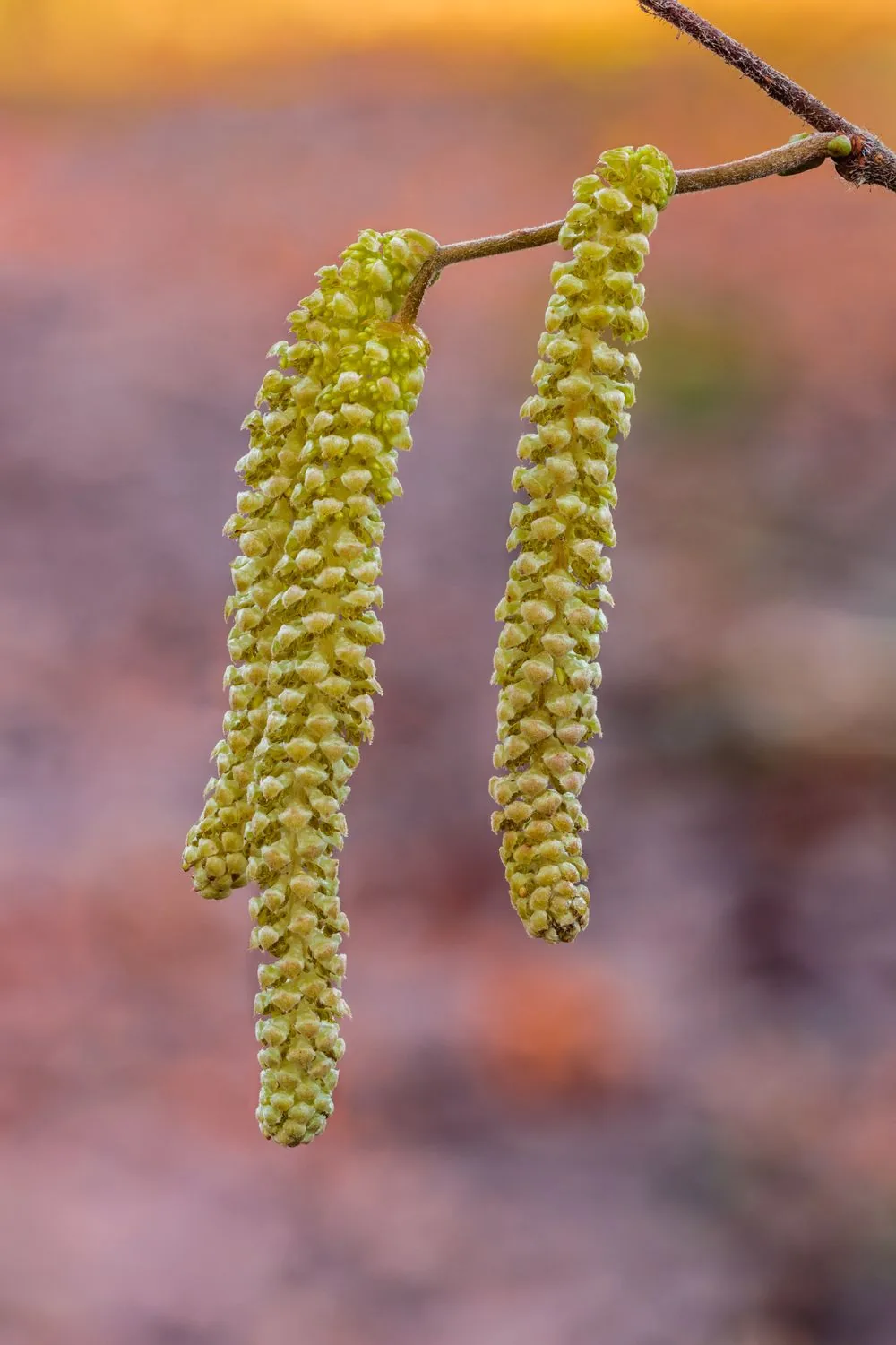
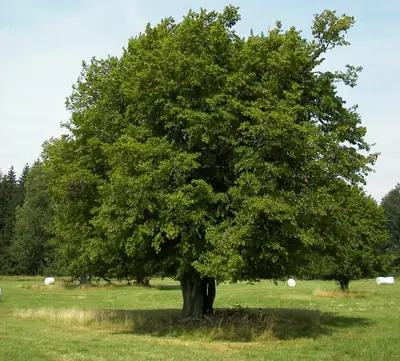
The common hazel is a large, many-stemmed deciduous shrub or small tree of European woods and hedgerows. Its long yellow catkins, the lamb's tails, hang from the bare twigs in late winter and are among the first signs of spring. Soft, rounded leaves follow and turn yellow in autumn, when the nuts ripen in their ragged green husks. It grows in almost any soil in sun or partial shade, makes a good hedge or screen and can be cut to the ground every few years for a supply of straight poles.
As a precaution, keep it out of reach of children and pets.
Signature feature
The catkins open in late winter, well before the leaves, and shed clouds of pollen on the wind. Look closely at the same twigs for the female flowers: tiny buds tipped with a tuft of crimson threads. Those become the nuts.
Care by Season
Spring
The last catkins fade and the leaves open.
Summer
Nuts swell inside their green husks. Water young plants in dry weather.
Autumn
Nuts ripen and the leaves turn yellow. Planting time begins.
Winter
Catkins lengthen and shed pollen in late winter. Coppice or prune while the plant is dormant.
Growing & Maintenance
Planting
Plant between autumn and early spring in any reasonable soil. For a hedge, space plants 45-60cm apart. For nuts, plant two different hazels within sight of each other.
Pruning
Prune or coppice in winter. For nuts, keep an open, goblet-shaped bush and remove suckers. For poles, cut all stems to a few centimetres above the ground every few years.
Propagation
By seed sown fresh in autumn, by layering a low branch, or by detaching rooted suckers in winter.
Pests & Diseases
Common problems
Catkins but no nuts
Most likely cause: No second hazel for pollination, or squirrels.
What to do: Plant a different hazel nearby and pick the nuts early.
Nuts with a small round hole and no kernel
Most likely cause: Nut weevil grubs.
What to do: Collect and remove fallen nuts so that the grubs do not overwinter in the soil.
A crowded thicket of stems
Most likely cause: Years without pruning.
What to do: Coppice in winter, or remove the oldest third of the stems each year.
Round, swollen buds
Most likely cause: Big bud mite.
What to do: Pick them off; the plant copes.
Leaves scorched at the edges in summer
Most likely cause: Drought on a young plant.
What to do: Water deeply and mulch.
Pests & Diseases
Squirrels
Signs: Nuts stripped from the branches while still green; empty or split shells under the bush.
Treatment: Hard to prevent. Pick the nuts as soon as the husks begin to yellow and ripen them indoors.
Hazel big bud mite
Signs: Buds that swell to round, oversized knobs in winter and fail to open.
Treatment: Pick off and destroy swollen buds on a small plant. The harm is usually slight.
Aphids
Signs: Sticky honeydew and small insects under the leaves in summer.
Treatment: No treatment is needed; predators keep them in check.
Powdery mildew
Signs: A white powdery coating on the leaves in late summer.
Treatment: Rake up fallen leaves. It appears late and does little harm.
FAQ
When does hazel produce nuts?
Nuts ripen in early autumn, when the husks turn yellow and the nuts come away easily. A young plant takes a few years to start cropping.
Why does my hazel have catkins but no nuts?
Hazel is pollinated by wind and a single plant sets few nuts with its own pollen. Plant a second, different hazel nearby. Squirrels are the other cause: they take the nuts before they are ripe.
What is coppicing?
Cutting all the stems down to near ground level in winter. The stump sends up a thicket of straight new shoots, which makes useful bean poles and pea sticks and keeps a large shrub to size. Repeat every few years.
Does it make a good hedge?
Yes, on its own or mixed with hawthorn, field maple and other native shrubs. It is dense, takes hard cutting and holds its leaves late.
How big does it get?
Left alone, 4-8m tall and as wide, with many stems from the base. Regular coppicing or pruning keeps it far smaller.
Can I grow it from a nut?
Yes. Sow fresh nuts in autumn in a pot outdoors, protected from mice and squirrels with wire mesh. They germinate in spring after the winter cold.