No results. Is a plant missing? Tell uscontact@wikiplant.net
Common hornbeam
Carpinus betulus
Care level: Easy
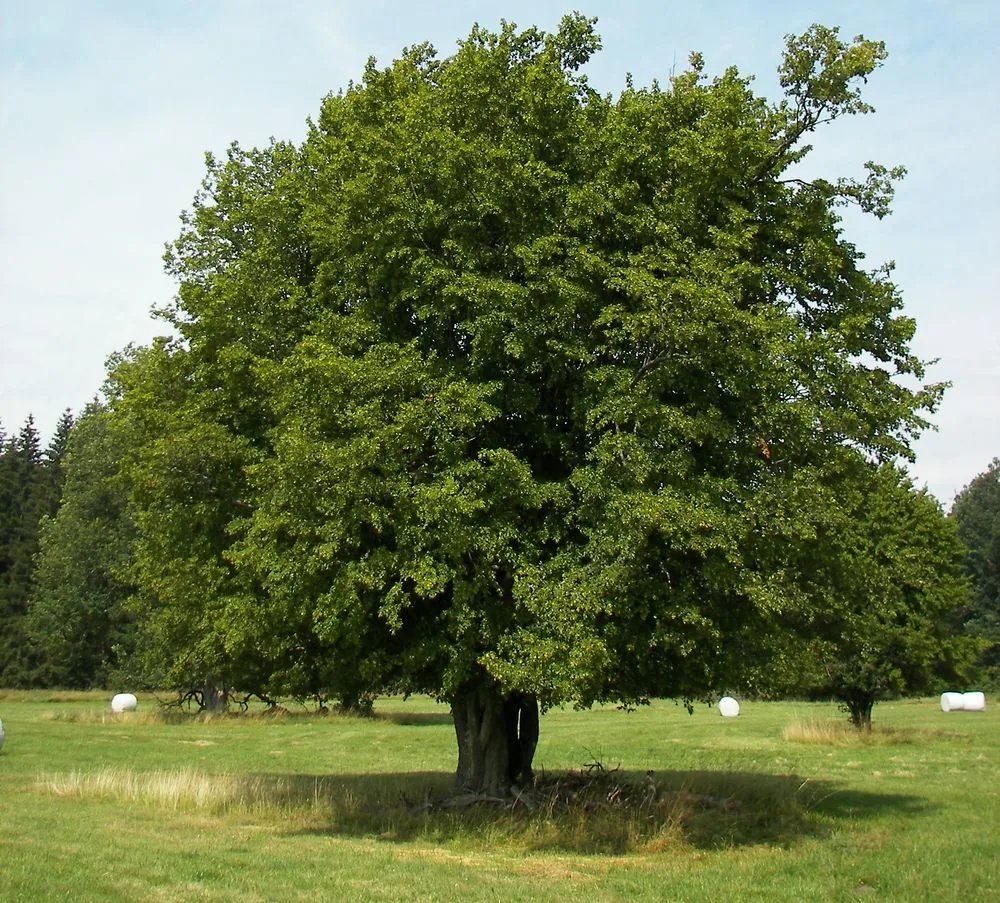
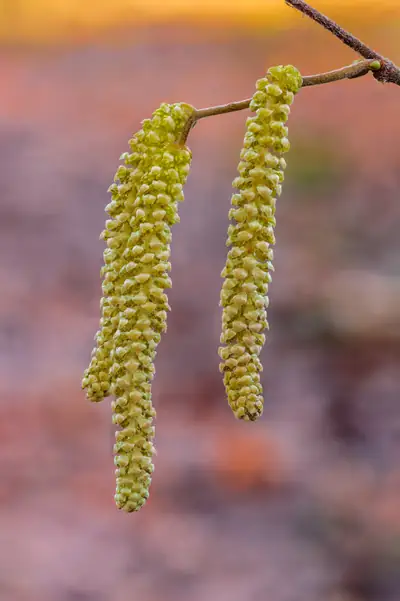
The common hornbeam is a large deciduous tree with a fluted grey trunk and oval, sharply toothed leaves that are deeply ribbed, as if pleated. Catkins open in spring, hop-like clusters of winged fruit hang from the branches in late summer, and the leaves turn yellow in autumn. It is one of the classic hedging plants of Europe, tough, fully hardy and happy on heavier, wetter soils than beech will accept.
As a precaution, keep it out of reach of children and pets.
Did you know?
Hornbeam is often mistaken for beech, and the leaf settles it. A hornbeam leaf has a toothed edge and deep, pleated ribs, while a beech leaf has a smooth, wavy edge and a glossier surface. Like beech, a clipped hornbeam hedge keeps much of its dry brown foliage through the winter.
Care by Season
Spring
Catkins and fresh green leaves appear. Water recent plantings in dry weather.
Summer
Trim hedges in late summer. Hop-like fruit clusters form on trees.
Autumn
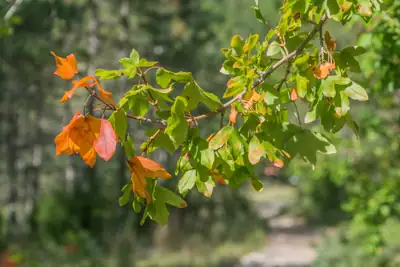
The leaves turn yellow. Planting time begins.
Winter
Hedges hold much of their dry brown foliage. Plant bare-root stock, and do any hard cutting back now.
Growing & Maintenance
Planting
Plant in autumn or winter in fertile soil, in sun or partial shade. For a hedge, set young plants in a row and water them through their first summers.
Pruning
Trim hedges in late summer. Overgrown hedges can be cut back hard in winter. Trees need only dead or crossing branches removed.
Propagation
By seed or softwood cuttings; named forms are grafted.
Pests & Diseases
Common problems
Brown, crisp leaf edges on a new hedge
Most likely cause: Drought in the first years.
What to do: Water deeply in dry spells and mulch the row.
Gaps at the base of a hedge
Most likely cause: The hedge was left wider at the top than at the bottom.
What to do: Trim it so the base is slightly wider than the top, which lets light reach the lowest branches.
A hedge that has grown too tall or wide
Most likely cause: Missed trims.
What to do: Cut it back hard in winter, one side at a time.
White coating on the leaves
Most likely cause: Powdery mildew.
What to do: Water in dry weather; it rarely does lasting harm.
Twigs dying back with pink spots
Most likely cause: Coral spot on damaged wood.
What to do: Prune out to healthy wood with clean blades.
Pests & Diseases
Caterpillars
Signs: Holes and ragged edges eaten in the leaves in spring and early summer.
Treatment: No treatment is needed; the tree outgrows the damage and the caterpillars feed nesting birds.
Aphids
Signs: Clusters of small insects under the leaves, with sticky honeydew.
Treatment: Leave them to ladybirds and other predators.
Powdery mildew
Signs: A white, powdery coating on the leaves, mostly on hedges in dry weather.
Treatment: Water in dry spells and clear fallen leaves in autumn.
Coral spot
Signs: Small coral-pink pustules on dead and dying twigs.
Treatment: Cut affected twigs back to healthy wood and dispose of them.
FAQ
Hornbeam or beech for a hedge?
Both make a dense hedge that holds dry leaves in winter. Choose hornbeam for heavy clay, wetter ground or a cold, exposed site, where it is the tougher of the two. Choose beech for lighter, well-drained soil.
When should I trim a hornbeam hedge?
Once a year in late summer is enough for a neat hedge. A formal hedge can be given a second, lighter trim earlier in the summer.
Does a hornbeam hedge keep its leaves in winter?
A clipped hedge keeps much of its dry brown foliage until spring, although usually less completely than beech. Free-standing trees drop their leaves in autumn.
How big does a hornbeam tree get?
Well over 12m tall and more than 8m wide when it is left to grow as a tree. As a hedge or a pleached screen it can be held at almost any size for decades.
What soil does hornbeam need?
Fertile, well-drained soil suits it best, in sun or partial shade, but it tolerates clay, chalk and ground that is occasionally wet.
Can hornbeam be cut back hard?
Yes. It regrows well from old wood, so an overgrown hedge can be reduced in winter, ideally one side one year and the other side the next.