No results. Is a plant missing? Tell uscontact@wikiplant.net
Field maple
Acer campestre
Care level: Easy
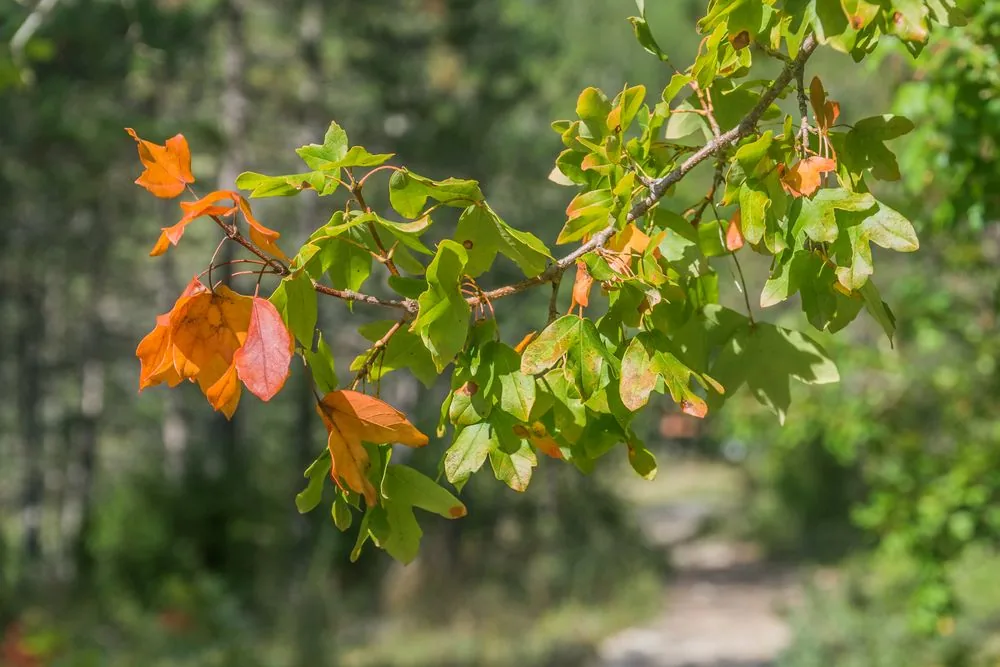
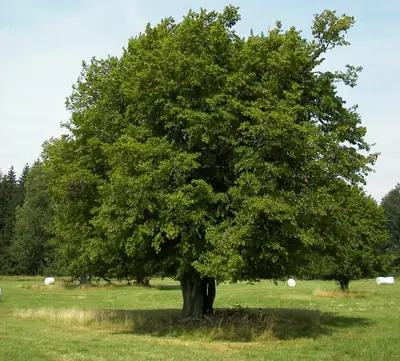
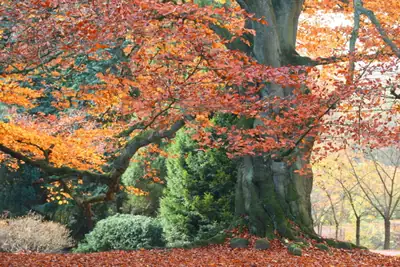
The field maple is Europe's small native maple: a compact, round-headed deciduous tree with small leaves cut into five blunt lobes, corky ridges on its young twigs and the winged seeds typical of maples, set almost in a straight line. Its leaves turn butter yellow, sometimes flushed red, in autumn. It is a traditional hedgerow tree that takes clipping well, so it serves equally as a small garden tree and as a dense, wildlife-friendly hedge. It thrives on chalk.
As a precaution, keep it out of reach of children and pets.
Common mistake
Pruning a maple in late winter or spring makes the cuts bleed sap for weeks. Prune a field maple tree only from late autumn to midwinter, when it is fully dormant. Hedges are the exception: light trimming of soft growth in summer does no harm.
Care by Season
Spring
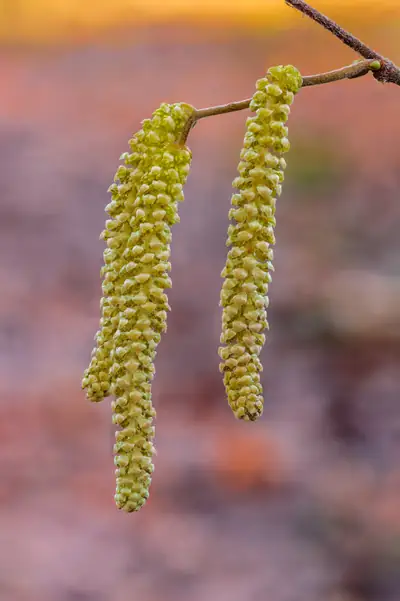
Leaves open with small green flowers. Do not prune trees now; the sap is rising.
Summer
Winged seeds form. Trim hedges lightly in late summer if needed.
Autumn
The leaves turn yellow, sometimes red. Planting time begins.
Winter
Prune trees from late autumn to midwinter. Plant bare-root trees and hedging.
Growing & Maintenance
Planting
Plant between autumn and early spring in fertile, well-drained soil in sun or light shade. For a hedge, set young plants in a row, alone or mixed with other native species.
Pruning
Prune trees only from late autumn to midwinter. Trim hedges in winter, with a light summer trim if they need it.
Propagation
By seed sown in autumn or spring, or by softwood cuttings in early summer.
Pests & Diseases
Common problems
Sap running from cuts
Most likely cause: Pruning in late winter or spring.
What to do: Leave the cuts alone and prune only from late autumn to midwinter in future.
Black blotches on the leaves
Most likely cause: Tar spot.
What to do: Clear fallen leaves; nothing else is needed.
Red pimples on the leaves
Most likely cause: Gall mites.
What to do: Nothing is needed.
One branch wilting suddenly
Most likely cause: Possibly verticillium wilt.
What to do: Cut it out and watch the rest of the tree.
A thin, gappy young hedge
Most likely cause: Plants not cut back after planting.
What to do: Shorten the leading shoots in winter so that the plants branch low down.
Pests & Diseases
Gall mites
Signs: Clusters of tiny red or green pimples on the upper side of the leaves.
Treatment: No treatment is needed; the galls are harmless.
Aphids
Signs: Sticky honeydew on the leaves in early summer, sometimes with black sooty mould.
Treatment: Leave them to predators. The tree is not harmed.
Tar spot
Signs: Raised, shiny black blotches on the leaves from late summer.
Treatment: Rake up and dispose of fallen leaves in autumn. The tree's health is not affected.
Verticillium wilt
Signs: Leaves on one branch or one side of the tree wilt and die suddenly, with dark streaks in the wood beneath the bark.
Treatment: Cut out the dead branches and clean the blades. Do not replant another maple in the same spot if the tree dies.
FAQ
When should I prune a field maple?
Between late autumn and midwinter. Like all maples it bleeds sap heavily from cuts made in late winter and spring. A hedge can also be trimmed lightly in late summer, when only soft growth is removed.
Is field maple good for a hedge?
Yes. It is one of the classic plants of mixed native hedges, dense, tough and quick to regrow after cutting. It is bare in winter but colours well in autumn, and it suits chalky soil where some hedging plants struggle.
How big does it grow as a tree?
Usually 8-12m, occasionally more, with a rounded crown 4-8m wide. It grows slowly, which makes it one of the more manageable native trees for a garden.
What are the black spots on the leaves?
Tar spot, a fungal disease that leaves raised black blotches on the leaves in late summer. It looks alarming but does not harm the tree. Rake up fallen leaves in autumn to reduce it the following year.
What are the tiny red bumps on the leaves?
Galls caused by microscopic gall mites. They are very common on field maple and entirely harmless to the tree.
What soil does it need?
Fertile, moist but well-drained soil in sun or light shade. It tolerates chalk and heavier soils and copes with dry spells once established.