No results. Is a plant missing? Tell uscontact@wikiplant.net
Common privet
Ligustrum vulgare
Care level: Very easy
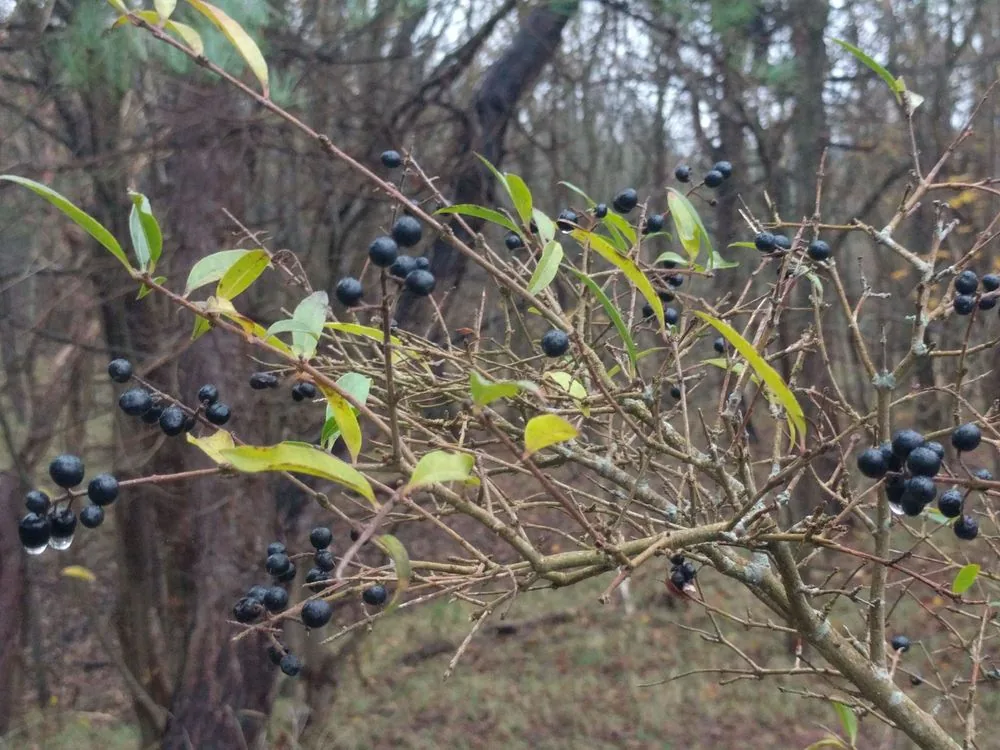
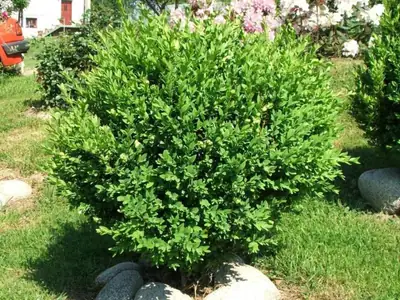
Common privet is a bushy, fast-growing shrub native to Europe, with dark green, lance-shaped leaves, upright clusters of small white, strongly scented flowers in summer and shiny black berries in autumn. It is deciduous to semi-evergreen, keeping more of its leaves in a mild winter. It grows in almost any well-drained soil, including chalk, takes close clipping, and has been used for hedges for centuries. The berries and leaves are poisonous.
Can cause vomiting and diarrhoea, and more rarely affects heart rhythm.
If your pet has eaten some, contact your vet.
Source: RHS, Pet Poison Helpline
Did you know?
Most garden privet hedges are not this species but its Japanese relative, the oval-leaved privet, which holds its leaves better in winter. Common privet is the wild European plant, hardier and better for wildlife: bees work the flowers and birds eat the berries.
Care by Season
Spring
New growth starts. Cut back overgrown hedges hard now if needed, then feed and mulch.
Summer
White, scented flowers open on unclipped plants. Clip hedges twice over the summer.
Autumn
Black berries ripen. Planting time begins.
Winter
Some or most leaves may drop in cold weather. Plant bare-root hedging and take hardwood cuttings.
Growing & Maintenance
Planting
Plant in autumn or winter in any well-drained soil, in sun or partial shade. For a hedge, set young plants in a row and cut them back by a third after planting so that they branch from the base.
Pruning
Clip hedges twice in summer. Overgrown plants can be cut back hard in spring.
Propagation
By semi-hardwood cuttings in summer, hardwood cuttings in winter, or seed.
Pests & Diseases
Common problems
A hedge bare at the base
Most likely cause: It was not cut back after planting, or it is wider at the top than at the bottom.
What to do: Trim it so that the base is the widest part, or cut it back hard in spring to make it branch low down.
Leaves dropping in winter
Most likely cause: Normal for this semi-evergreen species in cold weather.
What to do: Nothing is needed; it leafs out again in spring.
A shaggy hedge by midsummer
Most likely cause: Fast growth after a single cut.
What to do: Clip twice during the summer.
A dead gap in the hedge
Most likely cause: Honey fungus, or waterlogged soil.
What to do: Remove the dead plants and roots and improve the drainage before replanting.
Rolled, yellowing leaves
Most likely cause: Privet aphids.
What to do: Clip the hedge; the new growth comes clean.
Pests & Diseases
Privet aphid
Signs: Leaves rolled tightly lengthwise in spring and summer, with small insects inside, followed by early leaf drop.
Treatment: No treatment is needed; clipping removes much of the affected growth and the plant recovers.
Leaf-mining moth
Signs: Pale brown blotches inside the leaves, which may curl at the tip.
Treatment: Clip and dispose of affected shoots. The damage is cosmetic.
Honey fungus
Signs: A section of hedge dies back over a season or two, with white fungal sheets under the bark at the base.
Treatment: Remove the dead plants with as much root as possible, and replant the gap with a less susceptible species.
Scale insects
Signs: Small, shell-like bumps on the stems, sometimes with sticky honeydew.
Treatment: Prune out badly affected stems.
FAQ
Is privet toxic to dogs and cats?
Yes. All parts are harmful if eaten, the berries and leaves in particular. A pet that eats privet may vomit, have diarrhoea and lose its appetite, and a large amount can disturb the heart rhythm and coordination. Wear gloves when clipping and clear up the trimmings.
How often should I clip a privet hedge?
Twice during the summer for a neat hedge. Privet grows fast, and a single cut a year leaves it looking shaggy.
Does common privet keep its leaves in winter?
Partly. It is semi-evergreen: in a mild winter it keeps most of its leaves, in a cold one it may drop nearly all of them and leaf out again in spring.
Can an old, overgrown privet hedge be cut back?
Yes. Privet regrows strongly from old wood, so a hedge that has become too tall or wide can be cut back hard in spring. Feed and water it afterwards.
Why does my clipped hedge never flower?
Regular clipping removes the shoot tips that carry the flower buds. A hedge trimmed twice a summer stays green and dense but gives few flowers and berries; an informal, unclipped shrub flowers freely.
How do I propagate privet?
From semi-hardwood cuttings in summer or hardwood cuttings in winter, both of which root easily. It also grows from seed.