No results. Is a plant missing? Tell uscontact@wikiplant.net
Corn Plant
Dracaena fragrans
Care level: Easy
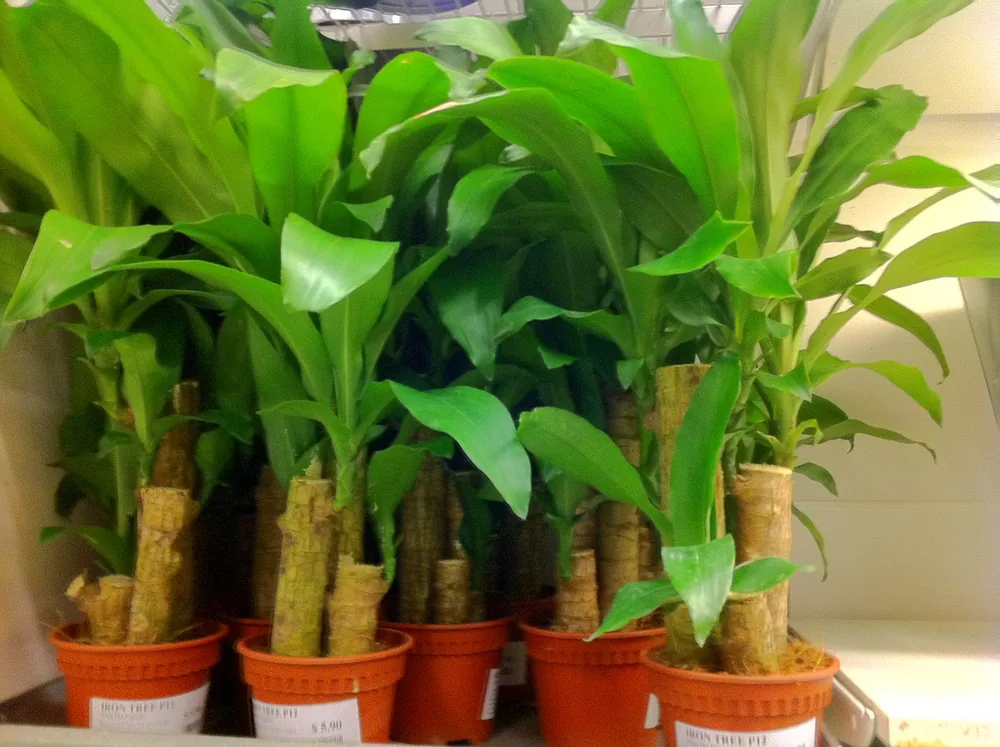
Despite its name, the corn plant has nothing to do with corn - it's a Dracaena from tropical Africa named simply for its leaves' resemblance to a corn stalk, and in its native habitat it occasionally produces a cluster of small, intensely fragrant night-blooming flowers.
Tolerates low light but grows best in medium to bright indirect light.
Water
Water when the top half of the soil is dry, roughly every 1-2 weeks; it is sensitive to fluoride, so use filtered or rain water if possible.
Humidity
Adapts to average indoor humidity; occasional misting helps prevent brown tips.
Soil
Well-draining, general-purpose potting mix.
Temperature
21-27°C is ideal. Keep it above 10°C.
Size
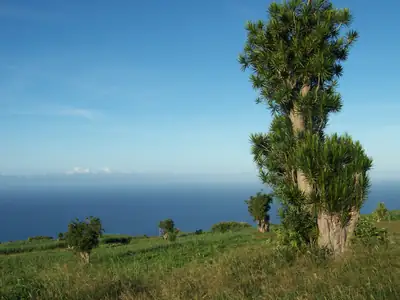
From 0.9m to over 4m tall with age, and 30-90cm wide.
Growth speed
Slow
Best position
east / south-east-facing windowanywhere up to 4 m or more from the window
north / north-east / north-west-facing windowanywhere up to about 2 m from the window
south / west-facing windowabout 1 m from the window or further back
Watch for strong direct sun at south / west windows.
See every window directionHide window directions
Best position
right by the window
about 1 m
about 2 m
about 4 m
4 m or more
north
works well✓
works well✓
works well✓
just about~
just about~
north-east
works well✓
works well✓
works well✓
just about~
just about~
east
works well✓
works well✓
works well✓
works well✓
works well✓
south-east
works well✓
works well✓
works well✓
works well✓
works well✓
south
just about~
works well✓
works well✓
works well✓
works well✓
south-west
just about~
just about~
works well✓
works well✓
works well✓
west
just about~
works well✓
works well✓
works well✓
works well✓
north-west
works well✓
works well✓
works well✓
just about~
just about~
✓works well~just about○too dark☼too much direct sun
A rough guide based on window direction and typical daylight through the year. Window size, curtains and whatever stands outside matter just as much.
!Toxic to pets
Toxic to cats and dogs if eaten.
Eating it can cause vomiting and an upset stomach.
If your pet has eaten some, contact your vet.
Source: ASPCA
Common mistake
Corn plants are unusually sensitive to fluoride and chlorine found in ordinary tap water, and the brown, dry leaf tips so many owners struggle with are often a water-quality issue rather than a watering-schedule one.
Care by Season
Spring
Resume light monthly feeding and repot if roots are crowding the pot.
Summer
Water consistently and wipe leaves to keep them dust-free and glossy.
Autumn
Cut back on watering frequency as growth slows.
Winter
Water sparingly and keep away from cold drafts; stop fertilizing.
Growing & Maintenance
Soil and pot
A well-draining, general-purpose potting mix in a pot with drainage holes.
Repotting
When roots start to emerge from the pot, in spring.
Fertilising
A light feed once a month in spring and summer. None in winter.
Pruning
A cane that has grown too tall can be cut back to the height you want. New shoots form below the cut.
Propagation
From stem cuttings, including the top you cut off.
Pests & Diseases
Common problems
Brown leaf tips
Most likely cause: Fluoride, chlorine or salts building up from tap water.
What to do: Water with rainwater or distilled water and flush the compost through once a month.
Yellow lower leaves
Most likely cause: An occasional one is normal ageing. Several at once point to overwatering.
What to do: Let the top half of the compost dry before watering again.
Bleached or scorched leaves
Most likely cause: Direct sun.
What to do: Move it to bright or moderate filtered light.
Soft, wrinkled cane
Most likely cause: Root rot from compost that stays wet.
What to do: Cut healthy top growth off as cuttings and repot them in fresh mix.
Brown patches after a cold spell
Most likely cause: Temperatures below 10°C or a cold draught.
What to do: Move it somewhere warmer and away from doors and windows in winter.
Pests & Diseases
Spider mites
Signs: Fine webbing and speckled discoloration on leaves.
Treatment: Increase humidity, rinse leaves, and apply insecticidal soap. Check the undersides of the leaves and the crevices where the leaf stem meets the main stalk.
Scale insects
Signs: Small brown bumps along stems and leaf undersides.
Treatment: Scrape off manually and treat with insecticidal soap or neem oil.
Fluoride toxicity
Signs: Brown, dry leaf tips and margins from tap water fluoride or salts.
Treatment: Switch to distilled or rain water and trim damaged tips.
FAQ
Why does my corn plant have brown tips even though I water it regularly?
Brown tips are most often caused by fluoride, chlorine, or salt buildup from tap water rather than under- or over-watering. Switching to filtered, distilled, or rain water usually resolves it over a few months.
Will my indoor corn plant ever flower?
It's uncommon indoors but not impossible. Mature plants occasionally produce a cluster of small, sweetly fragrant flowers, most often when the plant is older and has spent time in consistently bright light.
Is the corn plant toxic to cats and dogs?
Yes, the corn plant is toxic to cats and dogs. Eating the leaves upsets the stomach. Keep it out of reach of pets that chew.
How often should I water a corn plant?
Roughly every 1-2 weeks, when the top half of the compost is dry. Keep it moist in the growing season and water less in winter.
How big does a corn plant get?
Anything from 0.9m to over 4m with age, though it grows slowly. A cane that gets too tall can simply be cut back.
How do I propagate a corn plant?
From stem cuttings. The top of a cane you have cut back roots well and gives a new plant.