No results. Is a plant missing? Tell uscontact@wikiplant.net
Dragon Tree
Dracaena marginata
Care level: Very easy
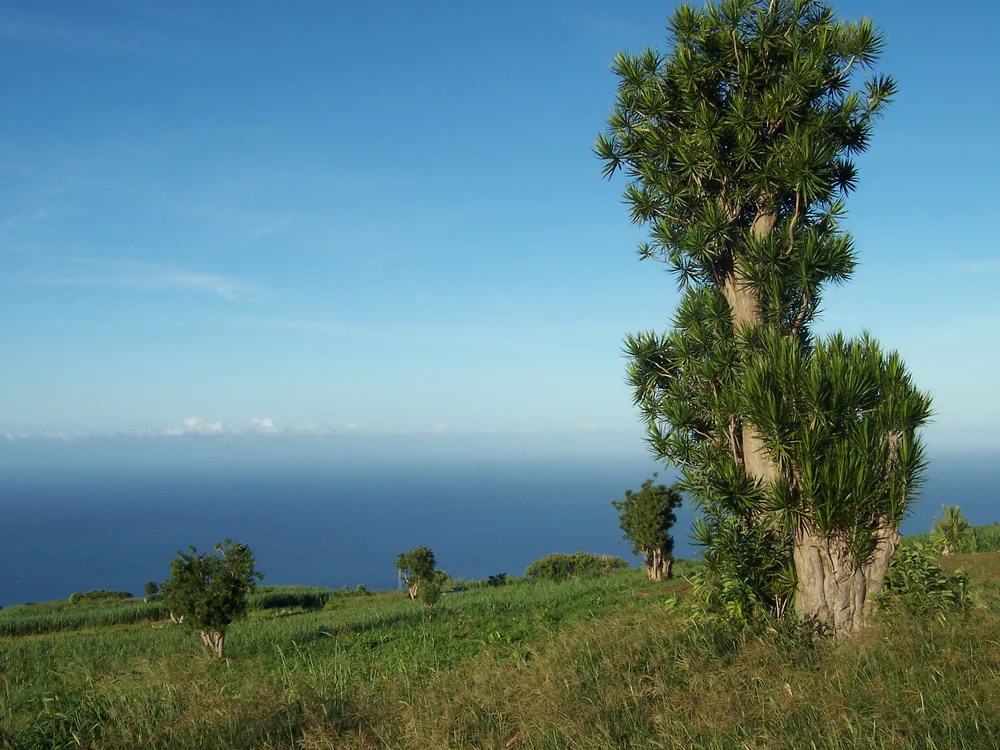
Despite the name, Dracaena marginata is not a true tree from an arid dragon-blood lineage but a member of the asparagus family, prized for the thin, spiky, red-edged leaves that spray outward from slender, often braided or curved trunks. Its close relative, Dracaena cinnabari, the actual Socotra dragon tree, bleeds a red resin when cut, and that dramatic association is likely how this easygoing houseplant inherited its dragon name.
Tolerates low light but grows best in medium to bright indirect light; avoid direct sun.
Water
Let soil dry out fairly well between waterings, roughly every 2 weeks, as it is drought tolerant.
Humidity
Adapts well to average indoor humidity with no special requirements.
Soil
Well-draining standard potting mix.
Size
Up to 6m tall in the ground in a warm climate; far smaller in a pot.
Growth speed
Slow
Best position
north / north-east-facing windowanywhere up to about 2 m from the window
east-facing windowabout 1 m from the window or further back
west-facing windowabout 2 m from the window or further back
Watch for strong direct sun at east / west windows.
See every window directionHide window directions
Best position
right by the window
about 1 m
about 2 m
about 4 m
4 m or more
north
works well✓
works well✓
works well✓
just about~
just about~
north-east
works well✓
works well✓
works well✓
just about~
just about~
east
just about~
works well✓
works well✓
works well✓
works well✓
south-east
too much direct sun☼
just about~
just about~
works well✓
works well✓
south
too much direct sun☼
too much direct sun☼
too much direct sun☼
just about~
works well✓
south-west
too much direct sun☼
too much direct sun☼
just about~
works well✓
works well✓
west
too much direct sun☼
too much direct sun☼
works well✓
works well✓
works well✓
north-west
too much direct sun☼
just about~
works well✓
just about~
just about~
✓works well~just about○too dark☼too much direct sun
A rough guide based on window direction and typical daylight through the year. Window size, curtains and whatever stands outside matter just as much.
!Toxic to pets
Toxic to cats and dogs if eaten.
Eating it can cause vomiting and an upset stomach.
If your pet has eaten some, contact your vet.
Source: ASPCA
Did you know?
The trunk of a dragon tree can be bent, curved, or trained into spirals while young and flexible, and once it hardens it holds that shape permanently, which is why so many dragon trees sold in stores have dramatically curved or twisted stems.
Care by Season
Spring
Resume light feeding once a month and check roots if repotting is needed.
Summer
Water when soil dries and wipe dust off leaves occasionally to keep them photosynthesizing well.
Autumn
Reduce feeding frequency and slightly space out watering as growth slows.
Winter
Water sparingly and keep away from cold drafts, which can cause leaf tip browning.
Growing & Maintenance
Soil and pot
A well-draining standard potting mix in a pot with drainage holes.
Fertilising
A light feed once a month in spring and summer, or a controlled-release fertiliser applied in spring.
Pruning
Cut a cane back to the height you want. It tolerates hard pruning, and the cut stem branches below the cut.
Propagation
From stem cuttings, including the tops removed when you prune.
Pests & Diseases
Common problems
Brown, crispy leaf tips
Most likely cause: Fluoride or salts in tap water, dry air or cold draughts.
What to do: Water with rainwater or distilled water and keep the plant away from draughts and heaters.
Lower leaves yellowing and falling
Most likely cause: Normal. The cane sheds its oldest leaves as it grows.
What to do: Pull the old leaves off. Many at once point to overwatering.
Soft cane and yellow leaves
Most likely cause: Root rot from overwatering.
What to do: Cut back the watering, trim the rotten roots and repot in fresh mix.
Tall, bare, leggy canes
Most likely cause: Age and low light.
What to do: Cut the cane back and give the plant brighter light. New shoots form below the cut.
Spots on the leaves
Most likely cause: A leaf spot disease, encouraged by wet foliage.
What to do: Remove the affected leaves and water the compost, not the leaves.
Pests & Diseases
Spider mites
Signs: Fine webbing and tiny speckled spots on leaves, common in dry heated rooms.
Treatment: Wipe leaves down and raise humidity; apply insecticidal soap if mites spread. Check the undersides of the leaves and the crevices where the leaf stem meets the main stalk.
Scale insects
Signs: Small brown bumps along stems and leaf undersides.
Treatment: Scrape off by hand and treat with insecticidal soap or neem oil.
Root rot
Signs: Soft, blackened stem base and drooping leaves from overwatering.
Treatment: Cut back watering, trim away rotten roots, and repot into fresh, well-draining soil.
FAQ
Why are the leaf tips on my dragon tree turning brown?
Brown, crispy tips are most often caused by fluoride or salts in tap water, dry air, or cold drafts rather than underwatering; switching to filtered or distilled water often resolves recurring tip browning.
Can I cut back a dragon tree that's grown too tall or leggy?
Yes, dragon trees tolerate hard pruning well; cutting the cane back to your desired height encourages new leaf rosettes to sprout from just below the cut within a few weeks.
Is the dragon tree toxic to cats and dogs?
Yes, the dragon tree is toxic to cats and dogs. Eating the leaves upsets the stomach. Keep it out of reach of pets that chew.
How often should I water a dragon tree?
Roughly every two weeks, once the compost has dried out fairly well. It is drought-tolerant and suffers far more from wet roots.
How do I propagate a dragon tree?
From stem cuttings. The leafy top you cut off when pruning roots well, and so do sections of bare cane.
How fast does a dragon tree grow?
Slowly. Indoors it gains height a little each year, and a cane that gets too tall can be cut back.