No results. Is a plant missing? Tell uscontact@wikiplant.net
Cosmos
Cosmos bipinnatus
Care level: Very easy
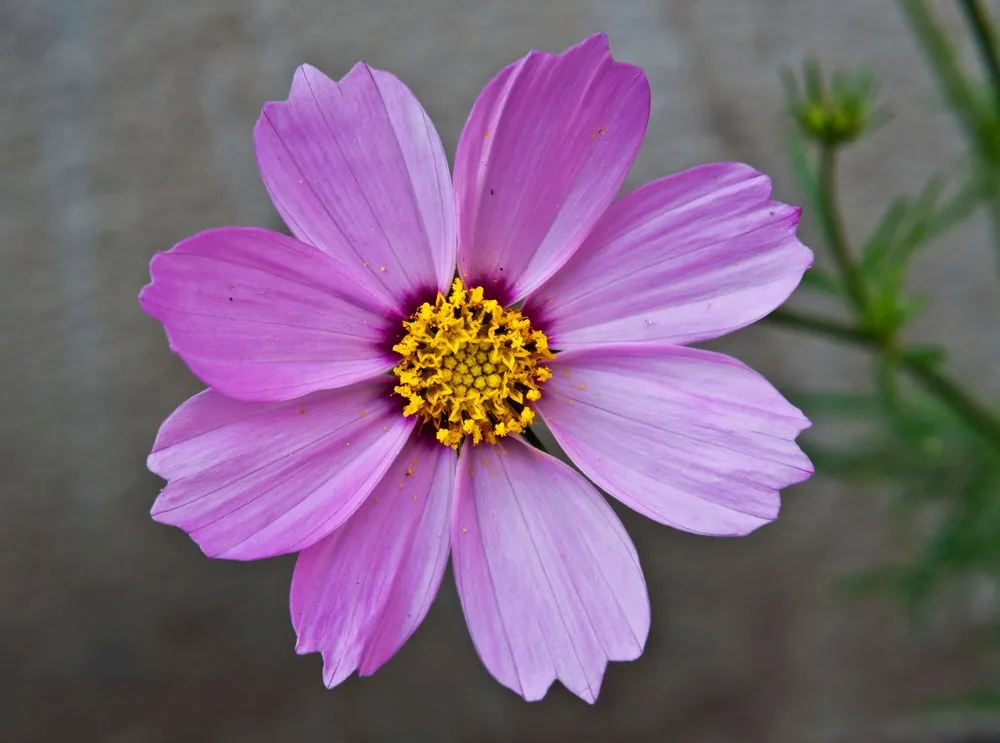
Cosmos is a tall, airy annual from Mexico with thread-fine, feathery foliage and large, open, daisy-like flowers up to 8cm across in white, pink and deep crimson around a yellow centre. It grows fast from seed, flowers from midsummer until the first frost, sways on thin stems above other plants and is one of the best annuals for cutting and for bees and hoverflies. It asks for full sun and, unusually, does better in soil that is not too rich.
As a precaution, keep it out of reach of children and pets.
Common mistake
Feeding cosmos, or planting it in rich soil, is the usual reason it disappoints. Fertile ground produces a tall thicket of feathery leaves and very few flowers. Plant it in ordinary soil in full sun and do not feed it.
Care by Season
Spring
Sow indoors, or outdoors once the soil is warm. Plant out after the last frost and protect seedlings from slugs.
Summer
Flowering begins in midsummer. Cut and deadhead every few days and support tall plants.
Autumn
Flowering continues until the first frost. Leave a few heads to ripen if you want seedlings next year.
Winter
The plants are dead; clear them away. Self-sown seed waits in the soil.
Growing & Maintenance
Planting
Sow indoors in spring and plant out after the last frost, 30-45cm apart, in ordinary, well-drained soil in full sun, or sow directly in late spring. Do not add fertiliser.
Pruning
Pinch out the tip of young plants, then cut flowers and remove faded ones regularly, back to a leaf joint.
Support
Give tall varieties twiggy sticks or a few canes and string while they are young, especially on a windy site.
Propagation
By seed. The plant self-seeds if some flower heads are left to ripen.
Pests & Diseases
Common problems
Tall, leafy plants with few flowers
Most likely cause: Rich soil, feeding or shade.
What to do: Grow in ordinary soil in full sun and do not feed.
Plants flattened by wind or rain
Most likely cause: Tall stems without support.
What to do: Stake while young, or grow a dwarf variety.
Flowering stops early
Most likely cause: Faded flowers were left to set seed.
What to do: Deadhead regularly.
Flowers only in late summer
Most likely cause: A tall, late variety that waits for shorter days.
What to do: Choose an early or dwarf variety for a longer season.
Seedlings vanish after planting out
Most likely cause: Slugs and snails.
What to do: Plant out larger plants and check after dark.
Pests & Diseases
Slugs and snails
Signs: Seedlings and young plants eaten down overnight.
Treatment: Plant out sturdy plants and pick the slugs off by torchlight after dark.
Aphids
Signs: Clusters of small insects on the shoot tips and flower buds.
Treatment: Rinse them off with water; hoverflies drawn to the flowers usually deal with the rest.
Grey mould
Signs: Flowers and buds that turn brown and fuzzy in wet weather.
Treatment: Remove affected flowers and give the plants room so that air moves between them.
FAQ
Why is my cosmos all leaves and no flowers?
The soil is too rich, the plant is in shade, or it was fed. Cosmos flowers best in moderately fertile soil in full sun with no extra fertiliser. Some tall varieties also start flowering late, as the days shorten after midsummer.
When do I sow cosmos?
Sow indoors in spring and plant out after the last frost, or sow directly outdoors in late spring once the soil is warm. It germinates in days and grows quickly, so there is no advantage in sowing very early.
How do I keep it flowering?
Cut flowers for the house and remove faded ones every few days, cutting back to a leaf joint. Left to set seed, the plant slows down. Pinching out the tip of the young plant makes it bushier.
Does it need staking?
Tall varieties do in an exposed garden. Push twiggy sticks in around the plants while they are young, or grow them among other plants that hold them up. Dwarf varieties stand on their own.
Will cosmos come back next year?
The plants die with the first frost, but they often seed themselves if a few flower heads are left to ripen, and the seedlings appear the following late spring.
Is it good for pollinators?
Yes. The single, open flowers give easy access to pollen and nectar and are visited by bees, hoverflies and butterflies until late in the season. Fully double varieties are less useful to them.