No results. Is a plant missing? Tell uscontact@wikiplant.net
Dahlia
Dahlia pinnata
Care level: Moderate
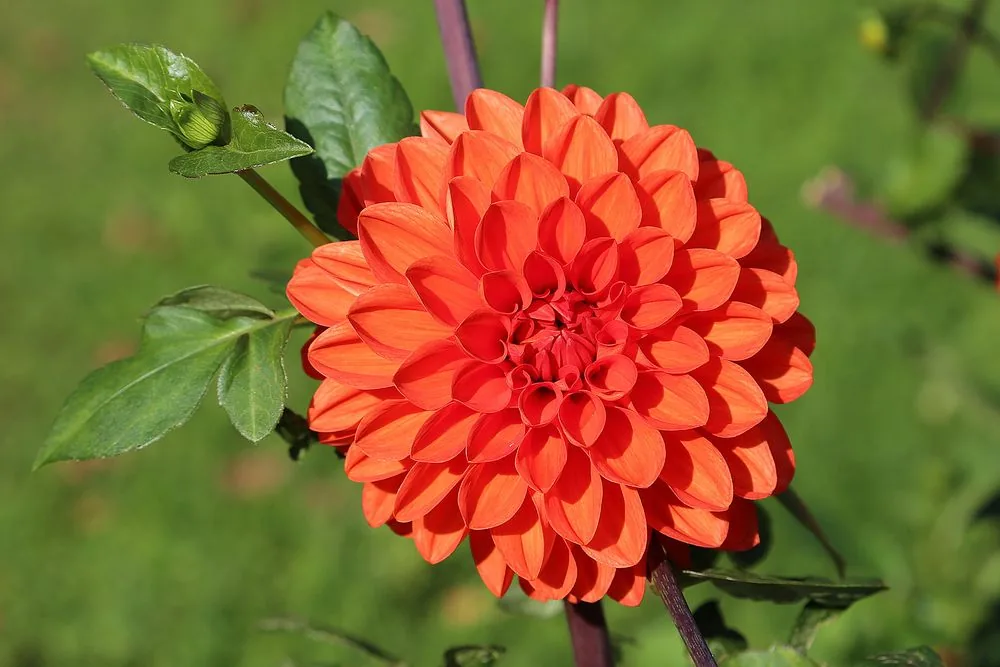
The dahlia is a tuberous perennial from Mexico and Central America, grown for flowers that come in almost every colour and shape, from small single daisies to dinner-plate doubles, pompons and spiky cactus forms. Garden dahlias are hybrids, from knee-high bedding plants to bushes 1.8m tall. They flower from midsummer until the first frost and are among the best plants for cutting. The tubers do not survive hard frost in the ground, which sets the yearly rhythm of planting, lifting and storing.
Dahlia 'Bishop of Llandaff'Dahlia 'Café au Lait'Dahlia 'David Howard'
Light
Full sun. Light shade is tolerated, with fewer flowers.
Water
Water regularly in dry weather once the plants are growing strongly. Do not water dormant tubers.
Humidity
Not a factor for this outdoor plant.
Soil
Fertile, moist but well-drained soil.
Temperature
Not frost hardy. The first frost blackens the foliage, and the tubers are lifted or mulched for winter.
Size
30cm to 1.8m tall, depending on the variety.
Growth speed
Fast
!Toxic to pets
Toxic to cats and dogs if eaten.
Mostly mild mouth and stomach irritation.
If your pet has eaten some, contact your vet.
Source: NC State Extension
Beginner tip
Cut the flowers, and cut them often. Dahlias flower in order to set seed, so every bloom picked for the house or removed as it fades is replaced by new buds. A plant left to go to seed slows down within a few weeks.
Care by Season
Spring
Start tubers in pots under cover, or divide them. Plant out after the last frost and protect the shoots from slugs.
Summer
Stake, pinch out, water and feed. Flowering starts in midsummer; cut and deadhead often.
Autumn
Flowering continues until the first frost. Then cut the stems down and lift the tubers.
Winter
Store the tubers dry, cool and frost-free, and check them now and then for rot.
Growing & Maintenance
Planting
Plant tubers after the last frost in fertile, well-drained soil in full sun, with the crown a few centimetres below the surface, and put in a stake at the same time for tall varieties.
Fertilising
Feed every two weeks with a high-potash liquid fertiliser from midsummer to early autumn.
Pruning
Pinch out the tip of the young plant so that it branches, then deadhead or cut flowers regularly.
Support
Stake tall and large-flowered varieties at planting time and tie in the stems as they grow.
Propagation
By dividing the tubers in spring so that each piece has a bud, or by basal cuttings from tubers started under cover.
Pests & Diseases
Common problems
Shoots disappear as they emerge
Most likely cause: Slugs and snails.
What to do: Protect the shoots, or start tubers in pots.
Plenty of leaves, few flowers
Most likely cause: Too much shade, or a high-nitrogen feed.
What to do: Grow in full sun and switch to a high-potash fertiliser.
Flowering slows in late summer
Most likely cause: Faded flowers were left to set seed.
What to do: Deadhead and cut flowers regularly.
Stems collapsed in wind or rain
Most likely cause: No support.
What to do: Stake at planting time and tie in as the plant grows.
Tubers rotted in storage
Most likely cause: They were stored damp or caught by frost.
What to do: Dry them before storing and keep them cool, dry and frost-free.
Black foliage overnight in autumn
Most likely cause: The first frost.
What to do: Normal; cut the stems down and lift the tubers.
Pests & Diseases
Slugs and snails
Signs: Young shoots eaten off at ground level, and ragged holes in the leaves.
Treatment: Protect shoots as they emerge and pick the slugs off by torchlight after dark. Starting tubers in pots gives sturdier plants.
Earwigs
Signs: Petals chewed into ragged shapes overnight.
Treatment: Trap them in upturned pots stuffed with straw on canes among the plants, and empty the pots each morning.
Aphids
Signs: Clusters of small insects on shoot tips and flower buds.
Treatment: Rinse them off with water or squash small colonies by hand.
Powdery mildew
Signs: A white, powdery coating on the leaves in late summer, worst in dry soil.
Treatment: Water regularly at the base and remove the worst leaves.
FAQ
When do I plant dahlia tubers?
Outdoors once the risk of frost has passed, in fertile, moist but well-drained soil in full sun. For earlier flowers, start the tubers in pots under cover in spring and plant them out after the last frost.
Do I have to lift the tubers in winter?
In most gardens, yes. When the first frost has blackened the foliage, cut the stems down, lift the tubers, let them dry and store them in a cool, frost-free place. In mild areas with well-drained soil they can stay in the ground under a thick mulch.
Are dahlias toxic to cats and dogs?
Yes, mildly. Eating the foliage can cause mild stomach upset, and contact with the leaves and tubers can irritate the skin. The effects are usually minor, but keep pets from chewing the plants.
How do I get more flowers?
Pinch out the growing tip when the young plant has about four pairs of leaves, so that it branches. After that, deadhead or cut flowers regularly and feed with a high-potash fertiliser through the summer.
Do dahlias need staking?
Tall and large-flowered varieties do. Put the stake in at planting time, so that it does not spear the tuber later, and tie in the stems as they grow.
Something eats my young dahlia shoots. What is it?
Almost certainly slugs and snails, which can take a newly sprouted tuber down to nothing. Protect young shoots, or start the tubers in pots so that the plants are sturdy when they go out.