No results. Is a plant missing? Tell uscontact@wikiplant.net
Heather
Calluna vulgaris
Care level: Moderate
Heather is a low evergreen shrub that carpets acid moorland across northern Europe and has been bred into hundreds of garden forms. Calluna vulgaris, ling, flowers from midsummer into autumn; the closely related Erica species between them cover the rest of the year, which is why heather beds are usually planted as a mixture. It demands one thing absolutely, acid soil, and gives very little trouble once that is provided.
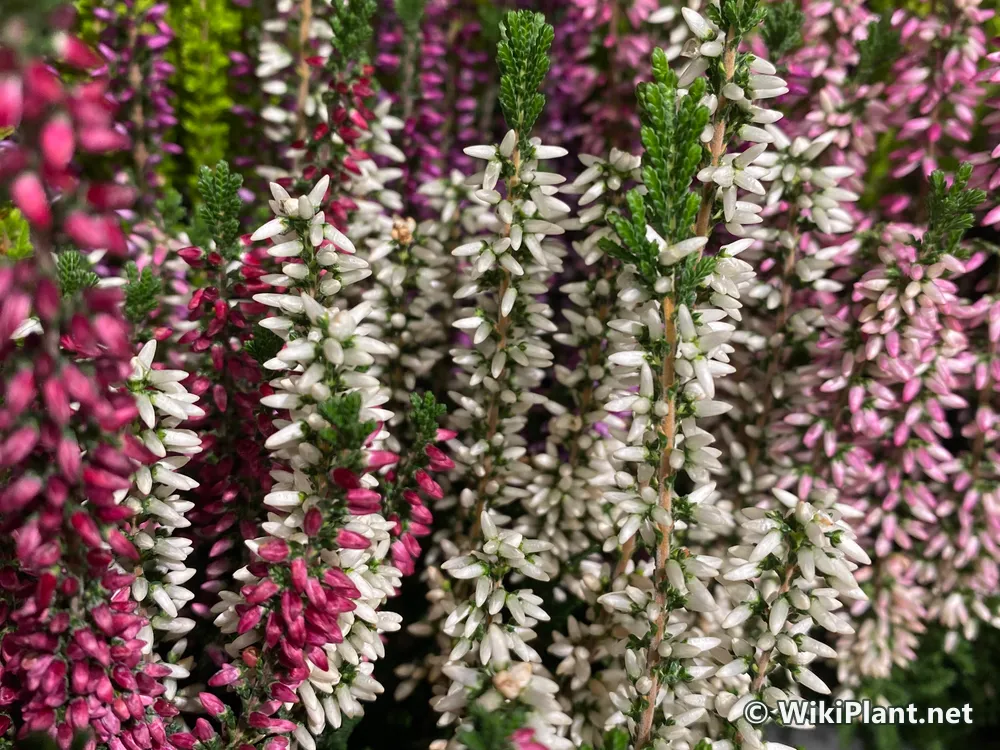
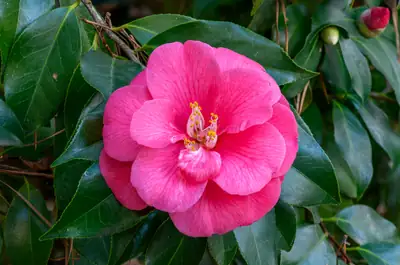
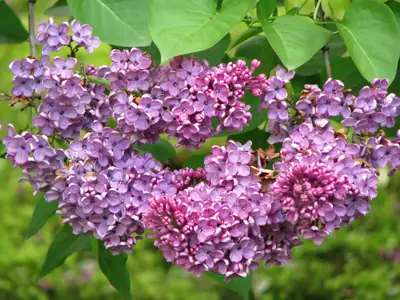
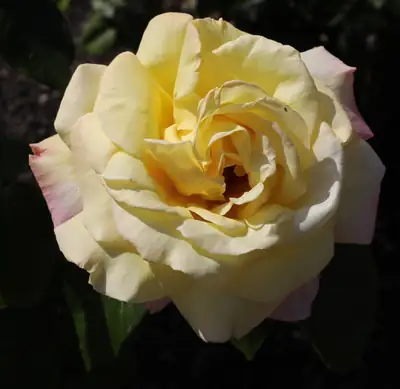
Erica carneaErica x darleyensisCalluna vulgaris 'Firefly'Calluna vulgaris 'Bud-bloomers'
Light
Full sun. In shade the growth becomes drawn and open, flowering thins, and the coloured-foliage varieties lose their colour entirely.
Water
Keep the soil moist but never waterlogged, especially in the first year. Use rainwater on pot-grown plants in a hard-water area; tap water raises the pH over time.
Humidity
Not a factor outdoors, though heather resents hot dry wind more than it resents cold.
Soil
Acid, free-draining and low in nutrients. Do not feed richly: heathers evolved on poor moorland and soft growth from fertiliser flops and rots.
As a precaution, keep it out of reach of children and pets.
Signature feature
Between Calluna and Erica the genus covers all twelve months. Erica carnea and Erica x darleyensis flower from midwinter into spring, Calluna takes over from July to November, and because both are evergreen the bed looks furnished even between flushes. Many Calluna varieties are also grown for foliage that turns bronze, gold or red in winter.
Care by Season
Spring
Trim the winter-flowering Erica as soon as its flowers fade. Top-dress pots with fresh ericaceous compost. Mulch with composted bark or pine needles rather than mushroom compost, which contains lime.
Summer
Calluna comes into flower from July. Water through dry spells; a heather that dries out completely rarely recovers.
Autumn
Calluna continues flowering into November, and the foliage varieties start to colour. Trim Calluna once flowering is genuinely over, or leave the spent spikes for winter interest and trim in early spring instead.
Winter
Fully hardy, below -20°C, and Erica carnea flowers straight through it, often under snow. Firm back any plants lifted by frost heave.
Growing & Maintenance
Planting
In full sun, in acid, free-draining soil that is low in nutrients. Keep it moist through the first year, and use rainwater on pot-grown plants in hard-water areas.
Fertilising
Little or none. Rich feeding gives soft growth.
Pruning
Trim every year straight after flowering, just below the faded flower spikes. Do not cut into old bare wood.
Pests & Diseases
Common problems
Yellow leaves
Most likely cause: Alkaline soil. It is a strict acid-soil plant.
What to do: Grow it in acid soil or in a pot of ericaceous compost.
Woody and bare in the middle
Most likely cause: No yearly trim.
What to do: Trim every year after flowering. Old bare wood rarely reshoots.
Whole plant browning from the base
Most likely cause: Phytophthora root rot in wet soil.
What to do: Remove the affected plant with the soil around it. There is no cure.
Brown and dead after a dry spell
Most likely cause: The root ball dried out completely.
What to do: Water through dry spells. A heather that has dried right out rarely recovers.
Open, drawn growth and few flowers
Most likely cause: Shade.
What to do: Move it into full sun.
Pests & Diseases
Chlorosis from alkaline soil
Signs: Leaves turn yellow between the veins and the whole plant pales and stops growing, usually within a year or two of planting on the wrong soil.
Treatment: Not a disease. Sequestered iron gives temporary relief, but the real answer is to move the plant into ericaceous compost or replace it with a lime-tolerant Erica.
Phytophthora root rot
Signs: Patches of a heather bed wilt and turn grey-brown and die, spreading outward; roots are dark and rotten.
Treatment: No cure. Remove affected plants with the surrounding soil, improve drainage, and do not replant heathers in the same spot.
Heather beetle
Signs: Foliage turning foxy orange-brown in patches during summer, as if scorched, with small beetles and grubs among the shoots.
Treatment: More a moorland than a garden problem. Clip out and destroy affected growth; vigorous plants usually recover.
FAQ
Can I grow heather if my soil is chalky?
Calluna vulgaris, no. It is a strict acid-soil plant and on chalk it yellows and dies however well it is fed. There is one useful exception: Erica carnea and Erica x darleyensis, the winter-flowering heathers, tolerate neutral and even slightly alkaline soil. On chalk, grow those in the ground and keep Calluna in a pot of ericaceous compost watered with rainwater, since tap water in a hard-water area will gradually make even that alkaline.
My heather has gone woody and bare in the middle. Can I cut it back?
Only within limits. Trim heathers every year immediately after flowering, cutting just below the faded flower spikes and into the top of the leafy growth. What you must not do is cut back into the bare old wood, because Calluna will not reshoot from it. A plant that has already gone leggy and hollow cannot be rejuvenated and is best replaced; the annual trim is what prevents it happening.
How hardy is Heather?
It is fully hardy, to below -20°C. It minds hot, dry wind more than cold.
When does Heather flower?
Calluna flowers from July and carries on into November. The flowers are rose to purplish-pink.
How big does Heather get?
Between 10 and 60cm tall and 30 to 60cm wide, depending on the variety. It grows at a medium pace.
How often should I water Heather?
Often enough to keep the soil moist but never waterlogged, especially in the first year. Water through dry spells in summer.