No results. Is a plant missing? Tell uscontact@wikiplant.net
Peruvian Apple Cactus
Cereus repandus
Care level: Easy
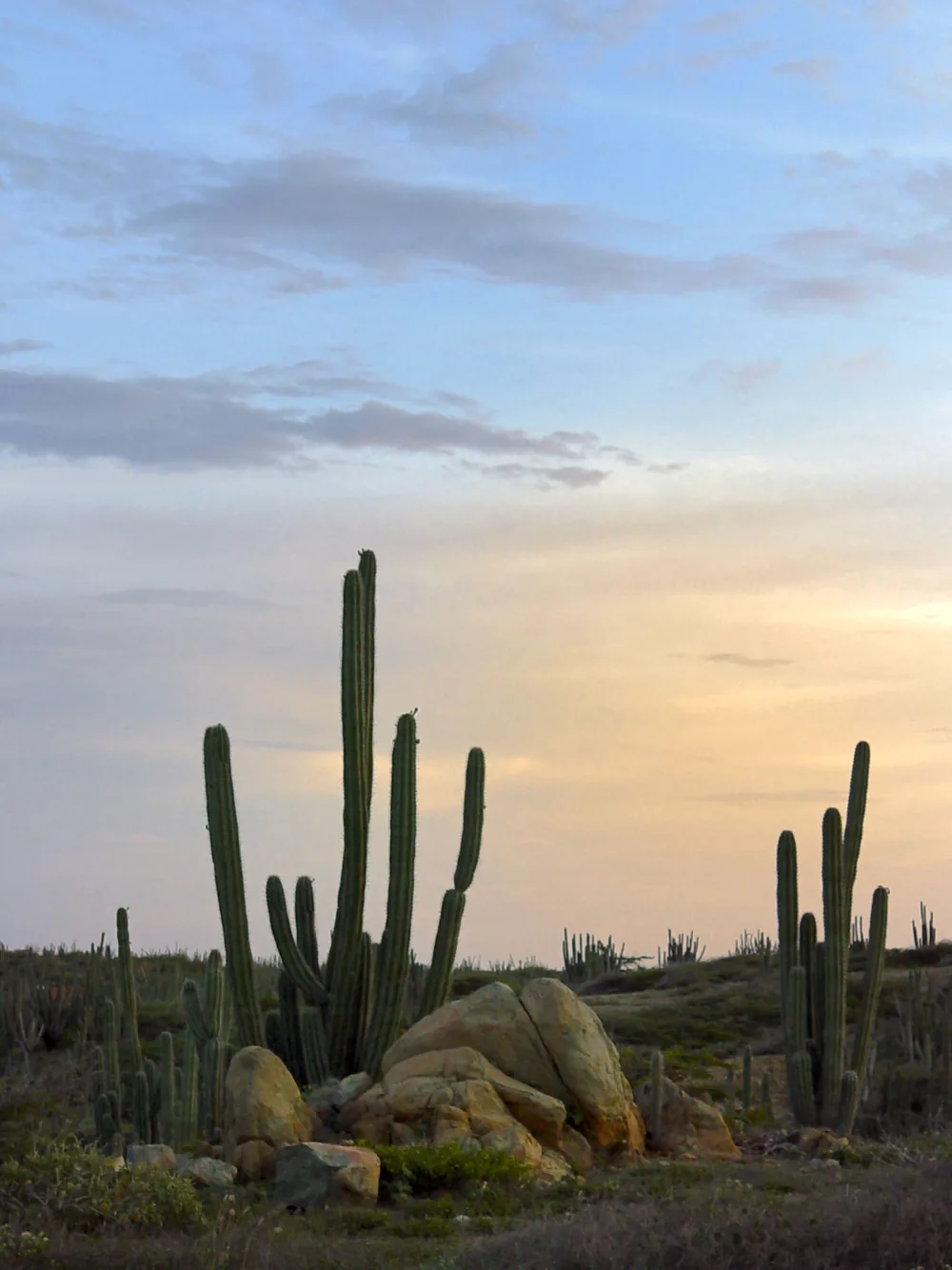
In its native South America, Cereus repandus can grow into a towering column over 10 meters tall and produces the edible 'apple cactus' fruit that gives it its common name, though as a houseplant it stays a much more modest architectural accent, prized indoors mainly for its bold, ribbed, upright silhouette rather than for fruiting.
Needs full sun to direct light for strong, upright columnar growth.
Water
Highly drought-tolerant; water deeply only when soil is completely dry, about monthly.
Humidity
Prefers low humidity and good air circulation.
Soil
Very well-draining, gritty cactus mix.
Temperature
Warm in summer. A cool, nearly dry winter rest at 10-15°C suits it.
Best position
south-east / south / south-west-facing windowanywhere up to about 1 m from the window
east / west-facing windowright by the window
See every window directionHide window directions
Best position
right by the window
about 1 m
about 2 m
about 4 m
4 m or more
north
too dark○
too dark○
too dark○
too dark○
too dark○
north-east
too dark○
too dark○
too dark○
too dark○
too dark○
east
works well✓
too dark○
too dark○
too dark○
too dark○
south-east
works well✓
works well✓
too dark○
too dark○
too dark○
south
works well✓
works well✓
too dark○
too dark○
too dark○
south-west
works well✓
works well✓
too dark○
too dark○
too dark○
west
works well✓
too dark○
too dark○
too dark○
too dark○
north-west
too dark○
too dark○
too dark○
too dark○
too dark○
✓works well~just about○too dark☼too much direct sun
A rough guide based on window direction and typical daylight through the year. Window size, curtains and whatever stands outside matter just as much.
?Pet safety not confirmed
As a precaution, keep it out of reach of children and pets.
Did you know?
This cactus produces large, night-blooming white flowers in the wild that open after dark and close by mid-morning, pollinated by bats and moths; indoor plants rarely flower, since it typically needs to reach several years of age and considerably more direct sun than most homes provide.
Care by Season
Spring
Gradually increase watering and start light feeding as new growth appears.
Summer
Water when fully dry and give it the sunniest spot available.
Autumn
Reduce watering as growth naturally slows.
Winter
Keep nearly dry and cool, ideally 10-15°C, to mimic a natural rest period.
Growing & Maintenance
Soil and pot
A very well-draining, gritty cactus mix in a heavy pot with drainage holes.
Fertilising
A light feed in spring and summer, as new growth appears.
Propagation
From stem cuttings. Let the cut end dry for a week or two until it has sealed, then stand it in dry cactus mix.
Pests & Diseases
Common problems
Leaning or crooked growth
Most likely cause: The plant is reaching toward a single light source.
What to do: Turn the pot a quarter turn every week or two.
New growth thinner than the stem below
Most likely cause: Too little light.
What to do: Move it to the sunniest spot you have.
Soft, dark patches on the stem
Most likely cause: Stem rot from overwatering.
What to do: Cut the affected tissue away with a clean blade and let the wound dry. Water only when the compost is completely dry.
Shrunken, deeply folded ribs
Most likely cause: A long dry spell in the growing season.
What to do: Water deeply once, then let the compost dry out completely again.
Pale, scorched patches
Most likely cause: A sudden move from shade into full sun.
What to do: Increase the sun exposure gradually.
Pests & Diseases
Mealybugs
Signs: White cottony spots near the ribs and areoles.
Treatment: Remove with an alcohol-soaked swab and repeat weekly. Check the undersides of the leaves and the crevices where the leaf stem meets the main stalk.
Scale insects
Signs: Small hard brown bumps along the stem surface.
Treatment: Scrape off and treat with horticultural oil.
Stem rot
Signs: Soft, discolored, sunken patches on the trunk.
Treatment: Cut away affected tissue with a clean blade and let the wound dry before adjusting watering.
FAQ
Why is my Peruvian Apple Cactus leaning or growing crooked?
Leaning usually happens when the cactus is reaching toward a single light source; rotate the pot a quarter turn every week or two so growth stays even and upright on all sides.
Will my indoor Peruvian Apple Cactus ever flower or fruit?
It's unlikely indoors, since flowering generally requires a mature, multi-year-old plant and far more intense direct sunlight than typical indoor conditions offer; most houseplant specimens are grown purely for their columnar form.
How often should I water a Peruvian Apple Cactus?
About once a month, deeply, and only when the compost is completely dry. Keep it nearly dry during its cool winter rest.
How should I overwinter a Peruvian Apple Cactus?
Keep it cool, ideally at 10-15°C, and nearly dry. That rest mimics the natural dry season and keeps the growth firm.
How do I propagate a Peruvian Apple Cactus?
From a stem cutting. Let the cut end dry for a week or two, then stand it in dry cactus mix and water lightly once roots have formed.
How much light does a Peruvian Apple Cactus need?
It needs full sun or the strongest direct light you can give it. In weak light the column grows thin and leans.