No results. Is a plant missing? Tell uscontact@wikiplant.net
Plum tree
Prunus domestica
Care level: Moderate
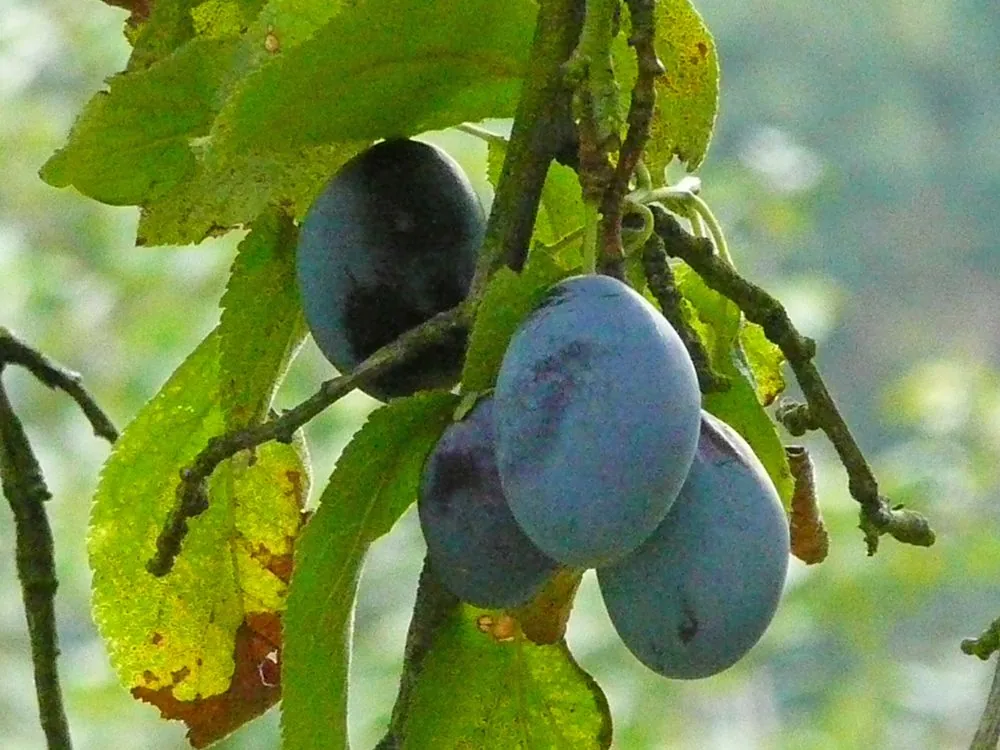
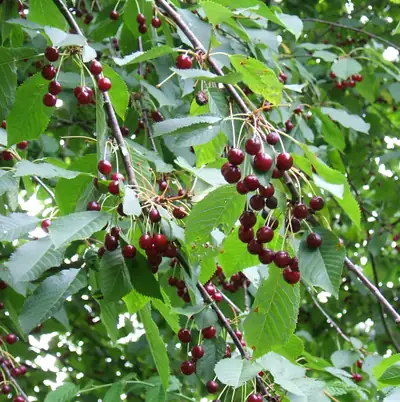
The plum is a small, twiggy, deciduous fruit tree that covers itself in white blossom in early spring and ripens its fruit from midsummer to early autumn. The group includes the large dessert plums, the small, sweet, green or yellow gages and the sharp, dark damsons used for cooking. Plums are among the easier tree fruits: they need little pruning and many varieties crop without a partner. Their weak points are the early blossom, which frost can kill, and a habit of setting far more fruit than the branches can carry.
It can make cats and dogs unwell, so keep it out of their reach.
If your pet has eaten some, contact your vet.
Source: NC State Extension
Beginner tip
Thin the fruit in early summer. A plum in a good year sets so heavily that the branches snap under the weight, and the exhausted tree then gives almost nothing the year after. Reduce the fruitlets to one every 5-8cm, and prop any branch that still bends.
Care by Season
Spring
Blossom opens early. Protect it from frost, mulch and feed, and prune young trees as growth starts.
Summer
Thin the fruit, prop heavy branches, pick as the fruit ripens and prune established trees.
Autumn
Clear fallen and mummified fruit and fallen leaves.
Winter
Dormant. Plant bare-root trees but do not prune.
Growing & Maintenance
Planting
Plant between late autumn and early spring with the graft union above soil level, in a sheltered, sunny position, and stake the tree.
Fertilising
Mulch with garden compost or well-rotted manure in spring and apply a balanced fertiliser. Plums are hungry for nitrogen.
Pruning
Prune only in spring or summer. Keep an open framework and shorten over-long shoots. Fans on a wall are pruned in summer by pinching back the new side shoots.
Propagation
By grafting or chip budding onto a rootstock. Trees raised from stones do not resemble the parent.
Pests & Diseases
Common problems
Blossom but no fruit
Most likely cause: Frost on the flowers, or no pollination partner.
What to do: Give shelter, protect the blossom and plant a self-fertile variety.
Branches snap in summer
Most likely cause: Too heavy a crop.
What to do: Thin the fruit and prop loaded branches.
A crop only every second year
Most likely cause: Overcropping followed by exhaustion.
What to do: Thin hard in the heavy years.
Maggots in the fruit
Most likely cause: Plum moth.
What to do: Use a pheromone trap and clear fallen fruit.
Ripe fruit hollowed out
Most likely cause: Wasps, often starting where birds have pecked.
What to do: Pick fruit as soon as it ripens and remove damaged fruit.
Amber gum on the bark
Most likely cause: Stress, injury or bacterial canker.
What to do: Cut out dead, sunken areas in summer and avoid winter pruning.
Pests & Diseases
Plum aphid
Signs: Tightly curled, crumpled leaves at the shoot tips in spring, with small green aphids inside.
Treatment: Tolerate light attacks and encourage ladybirds and other predators. Squash colonies on small trees early in the season.
Plum moth
Signs: A pinkish caterpillar and brown droppings inside the fruit near the stone; affected fruits ripen early.
Treatment: Hang a pheromone trap in the tree from late spring, and pick up and bin early-ripening fruit.
Silver leaf
Signs: A silvery sheen on the leaves of one branch, followed by dieback; the cut wood shows a dark stain.
Treatment: Cut back affected branches well past the stain in summer and prune only in dry summer weather.
Bacterial canker
Signs: Sunken, dead patches of bark oozing amber gum, and leaves peppered with small holes.
Treatment: Cut out affected branches to healthy wood in summer and disinfect the blades.
Brown rot
Signs: Fruits turn brown and soft with rings of buff pustules, then dry and hang on the tree.
Treatment: Remove and bin all affected fruit, including dried fruit left on the branches.
FAQ
Do I need two plum trees?
Not always. 'Victoria', 'Opal' and many others are self-fertile and crop alone. Other varieties, including several gages, need a compatible partner that flowers at the same time.
When should I prune a plum tree?
Never in winter. Prune young trees in spring as the buds open, and established trees in summer, in dry weather. Winter cuts let in silver leaf and bacterial canker. Plums need only light pruning: remove dead, damaged, crossing and crowded branches.
Why does my tree fruit only every other year?
It has fallen into a pattern of one huge crop followed by a rest year. Thinning the fruit hard in the heavy years breaks the cycle.
Why is there a pink maggot in my plums?
It is the caterpillar of the plum moth, which feeds near the stone. Affected fruits ripen and colour early. A pheromone trap hung in the tree from late spring catches the male moths and reduces the damage.
Why did the blossom set no fruit?
Plums flower very early, and a frost on the open blossom destroys it. Choose a sheltered spot out of frost pockets, and cover small or wall-trained trees with fleece on frosty nights.
How long before a plum tree bears fruit?
Usually three to five years after planting, a little sooner on Pixy rootstock.
Can I grow a plum in a pot?
Yes, on Pixy rootstock in a container at least 45-60cm wide filled with loam-based compost. Water regularly, feed in spring and thin the fruit.