No results. Is a plant missing? Tell uscontact@wikiplant.net
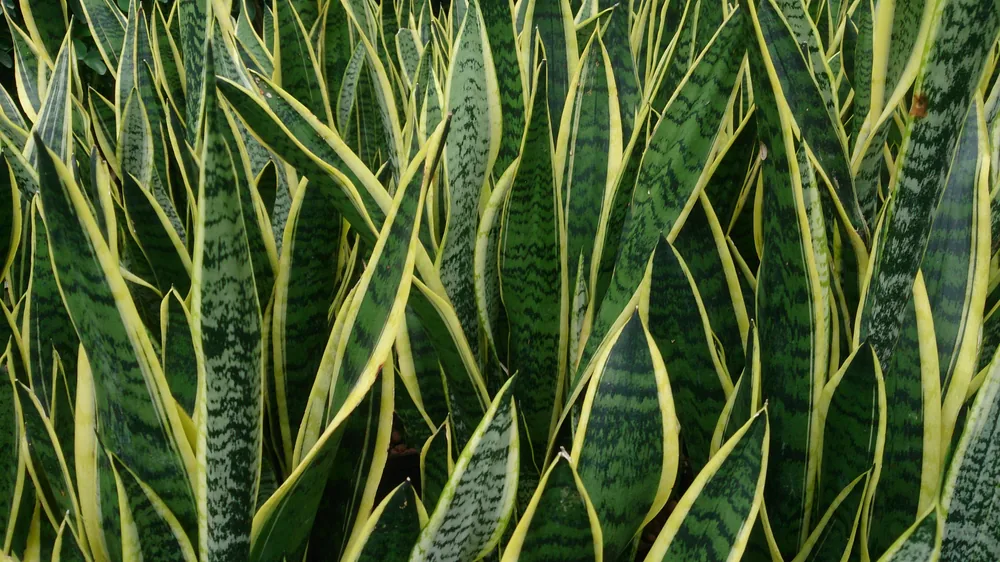
Snake Plant
Sansevieria trifasciata
Care level: Very easy
Native to West Africa's dry rocky savannas, the Snake Plant stores water in its thick, upright leaves the way a succulent does, which is exactly why overwatering, not underwatering, is the single most common way people accidentally kill it.
Normal room temperatures. It tolerates cool rooms down to about 10°C.
Growth speed
Medium
Best position
east / south-east / south / west-facing windowanywhere up to 4 m or more from the window
north / north-east / north-west-facing windowanywhere up to about 2 m from the window
south-west-facing windowabout 1 m from the window or further back
Watch for strong direct sun at south-west windows.
See every window directionHide window directions
Best position
right by the window
about 1 m
about 2 m
about 4 m
4 m or more
north
works well✓
works well✓
works well✓
just about~
just about~
north-east
works well✓
works well✓
works well✓
just about~
just about~
east
works well✓
works well✓
works well✓
works well✓
works well✓
south-east
works well✓
works well✓
works well✓
works well✓
works well✓
south
works well✓
works well✓
works well✓
works well✓
works well✓
south-west
just about~
works well✓
works well✓
works well✓
works well✓
west
works well✓
works well✓
works well✓
works well✓
works well✓
north-west
works well✓
works well✓
works well✓
just about~
just about~
✓works well~just about○too dark☼too much direct sun
A rough guide based on window direction and typical daylight through the year. Window size, curtains and whatever stands outside matter just as much.
!Toxic to pets
Toxic to cats and dogs if eaten.
Eating it can cause vomiting and an upset stomach.
If your pet has eaten some, contact your vet.
Source: ASPCA
Did you know?
NASA's Clean Air Study found Sansevieria among the houseplants most effective at removing indoor toxins like formaldehyde and benzene, and it's one of the few plants that release oxygen at night instead of during the day.
Care by Season
Spring
Begin light feeding; repot if root-bound.
Summer
Water slightly more often but always let soil dry between waterings.
Autumn
Cut back watering as light and temperatures drop.
Winter
Water once a month or less; keep above 10°C.
Growing & Maintenance
Soil and pot
A free-draining cactus and succulent mix in a pot with drainage holes. A heavy clay pot helps to keep the tall leaves upright.
Repotting
Only when the plant is root-bound, in spring, into a pot one size larger. A pot that is too big holds wet compost around the roots.
Fertilising
A light feed with a balanced liquid fertiliser in spring and summer. No feeding in autumn and winter.
Pruning
No regular pruning. Cut a damaged or collapsed leaf off at soil level with a clean knife.
Propagation
Divide a crowded clump at repotting, giving each piece its own roots. Leaf cuttings also root, but yellow-edged varieties come back plain green from a leaf cutting.
Pests & Diseases
Common problems
Soft, mushy leaves at the base
Most likely cause: Root rot from overwatering.
What to do: Stop watering, take the plant out of the pot and cut away rotten roots and leaves. Repot in dry, free-draining mix.
Yellow leaves
Most likely cause: Compost that stays wet for too long.
What to do: Let the compost dry out completely between waterings. In winter, water only every one to two months.
Wrinkled, curling leaves
Most likely cause: A long dry spell. The plant has used up the water stored in its leaves.
What to do: Water thoroughly and let the excess drain away. The leaves firm up again over the following days.
Pale leaves and no new growth
Most likely cause: Too little light. The plant survives in shade but barely grows there.
What to do: Move it to a brighter spot, where it gets a few hours of sun for part of the day.
Bleached or scorched patches
Most likely cause: Strong direct sun on a plant that was used to shade.
What to do: Move it back from the window and increase the light gradually.
Pests & Diseases
Mealybugs
Signs: White fuzzy spots near leaf base
Treatment: Alcohol swab removal, isolate plant. Check the undersides of the leaves and the crevices where the leaf stem meets the main stalk.
Signs: Fine pale speckling on the leaves and thin webbing, mostly in warm, dry air
Treatment: Wipe the leaves with a damp cloth and treat with insecticidal soap, repeating weekly. Check the undersides of the leaves and the crevices where the leaf stem meets the main stalk.
FAQ
Why are the leaves of my Snake Plant going soft and mushy?
This is almost always root rot from overwatering. The plant stores water in its leaves and roots, so the compost has to dry out completely before you water again, especially in winter. Cut away the rotten parts and repot in dry mix.
Can a Snake Plant survive in a windowless room?
Only for a while. In very low light it stays alive but stops growing and the leaves lose colour. For real growth it needs daylight, ideally a few hours of sun for part of the day.
How often should I water a Snake Plant?
About every 3-4 weeks in the growing season, once the compost has dried out completely. In winter every one to two months is enough. Too much water is the main way this plant is killed.
Is a Snake Plant toxic to cats and dogs?
Yes, the Snake Plant is toxic to cats and dogs. Eating the leaves upsets the stomach. Keep it where pets cannot chew it.
How do I propagate a Snake Plant?
The most reliable way is to divide the clump when you repot. Each piece needs its own roots. Leaf cuttings also work, but variegated plants lose their yellow edge that way.
Does a Snake Plant flower?
Rarely indoors. In its native habitat it blooms in winter, but as a houseplant it seldom does. It is grown for its leaves.