No results. Is a plant missing? Tell uscontact@wikiplant.net
Shrubby Salvia
Salvia microphylla
Care level: Easy
Shrubby salvias are the woody-based Salvia species from Mexico and the southern United States, grown in European gardens for an extraordinarily long flowering season. They start in June and carry on until the first real frost, often into November, which is longer than almost anything else in a border. The leaves are aromatic like culinary sage, to which they are related, but these are ornamental plants rather than kitchen herbs.
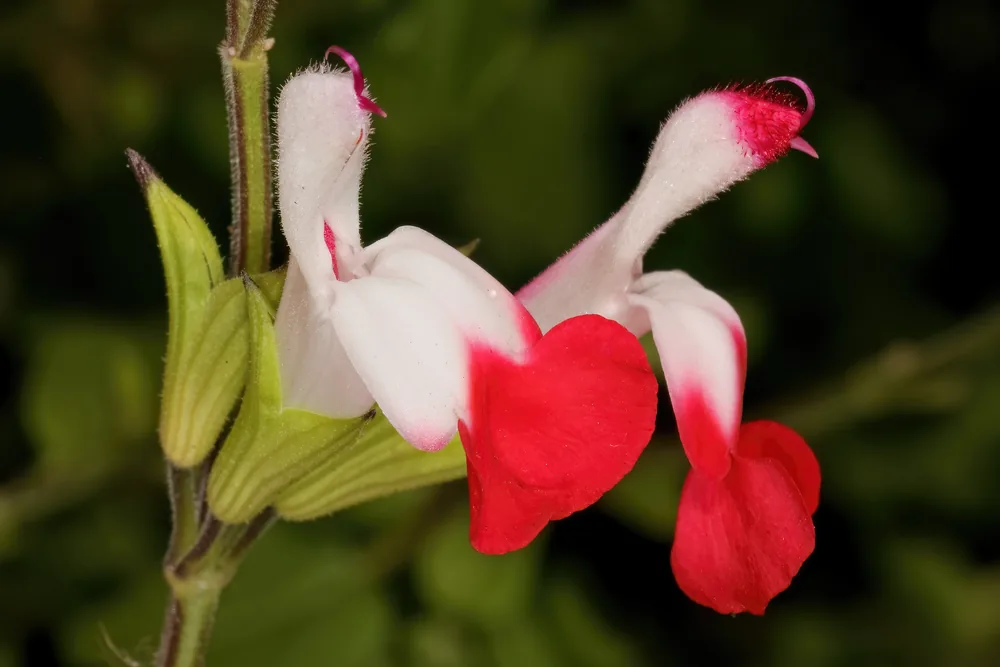
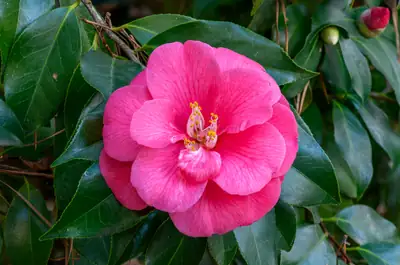
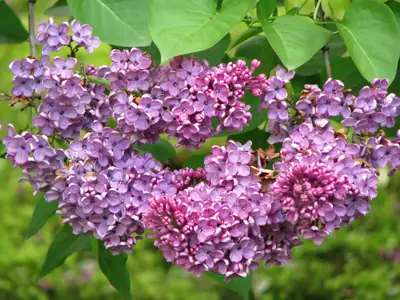
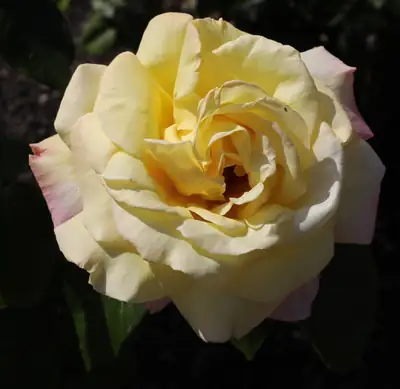
Salvia x jamensis 'Hot Lips'Salvia microphylla 'Cerro Potosí'Salvia greggiiSalvia 'Amethyst Lips'
Light
Full sun. These are plants of hot, bright, dry hillsides, and in shade they grow soft, flop and flower sparsely.
Water
Water new plants through their first summer; after that they are markedly drought-tolerant. Far more are lost to winter wet than to summer dryness.
Humidity
Not a factor outdoors, though good air movement keeps the growth firm and helps it survive winter.
Soil
Sharp drainage is the single requirement. Add grit to heavy soil or plant on a slope or raised bed; rich, moist soil produces soft growth that neither flowers well nor overwinters.
As a precaution, keep it out of reach of children and pets.
Signature feature
The best-known variety, 'Hot Lips', changes its own flower colour with the temperature. In cool weather the flowers come pure red or pure white; in summer heat the same plant produces the two-tone red-and-white lip it is named for. A single plant will often carry all three forms at once in early autumn.
Care by Season
Spring
Cut back to just above the lowest visible new shoots once growth is clearly under way, usually April. Do not feed heavily; poor soil gives better flowering and tougher plants.
Summer
Flowering begins in June and continues without a break. A light shear in midsummer if the plant sprawls will bring a tidier second wave.
Autumn
Still flowering, often until the first frost. Leave the top growth in place rather than tidying it, and take cuttings now as winter insurance.
Winter
Hardy to roughly -10°C given sharp drainage. Do not cut back. A dry winter mulch of grit or gravel around the crown helps far more than a damp organic one, which holds water against the stems.
Growing & Maintenance
Planting
In full sun and sharply drained soil. Add grit to heavy soil, or plant on a slope or raised bed, and water through the first summer.
Pruning
Cut back in mid-spring to just above the lowest new shoots. A light shear in midsummer tidies a sprawling plant. Never cut back in autumn.
Propagation
From stem cuttings, or from seed.
Pests & Diseases
Common problems
Dead after winter
Most likely cause: Winter wet, which rots the roots.
What to do: Plant in sharply drained soil and mulch with grit or gravel, not compost.
Soft, floppy growth with few flowers
Most likely cause: Shade, or soil that is too rich and moist.
What to do: Move it into full sun and poorer, drier soil.
Distorted young leaves with small holes
Most likely cause: Capsid bug.
What to do: The damage is cosmetic. The plant grows past it.
White, powdery coating on the leaves
Most likely cause: Powdery mildew.
What to do: Improve the air movement and water plants in pots more regularly.
Top growth blackened by frost
Most likely cause: Normal in a cold winter.
What to do: Leave it in place until spring. It protects the base of the plant.
Pests & Diseases
Winter wet and rot
Signs: The plant comes through cold weather looking fine, then blackens and collapses at the base during a wet spell; the crown is soft and brown.
Treatment: Not treatable once it happens. Prevention is drainage: grit in the planting hole, a gravel mulch at the crown, and no autumn cutback.
Capsid bug
Signs: Small ragged holes in the young leaves and distorted, puckered shoot tips in early summer.
Treatment: Damage is cosmetic and the plant grows past it. No treatment is generally warranted.
Powdery mildew
Signs: A white film on the leaves late in a dry season, usually on a plant that is crowded or root-dry in a container.
Treatment: Improve air movement and water container plants more evenly. Plants in open, well-drained ground rarely get it.
FAQ
When should I cut back a shrubby salvia?
In mid-spring, once new shoots are clearly visible low down, and never in autumn. The old top growth is what protects the crown through winter, and cutting it away in November is the most common reason these plants die over winter rather than the cold itself. In spring, cut each stem back to just above the lowest pair of new shoots; do not cut into bare old wood with no growth on it, which will not reshoot.
Is my plant hardy enough to leave outside all winter?
Salvia microphylla and Salvia x jamensis, which includes 'Hot Lips', are reliably hardy to about -10°C in soil that drains freely. Wet is far more dangerous to them than cold: a plant in heavy winter-wet ground will die at temperatures it would shrug off on a gravelly slope. In a cold or heavy-soil garden, take cuttings in late summer as insurance, since they root in a few weeks and are easy to overwinter under glass.
When does a Shrubby Salvia flower?
From June, without a break, often until the first frost. The flowers are pink, red or white, depending on the variety.
How much sun does a Shrubby Salvia need?
Full sun. In shade it grows soft, flops and flowers sparsely.
How often should I water a Shrubby Salvia?
Water a new plant through its first summer. After that it is markedly drought-tolerant, and far more plants are lost to wet soil than to drought.
How do I propagate a Shrubby Salvia?
From stem cuttings. Rooted cuttings are a useful insurance against losing the parent plant in a hard winter.