No results. Is a plant missing? Tell uscontact@wikiplant.net
Swiss Cheese Vine
Monstera adansonii
Care level: Easy
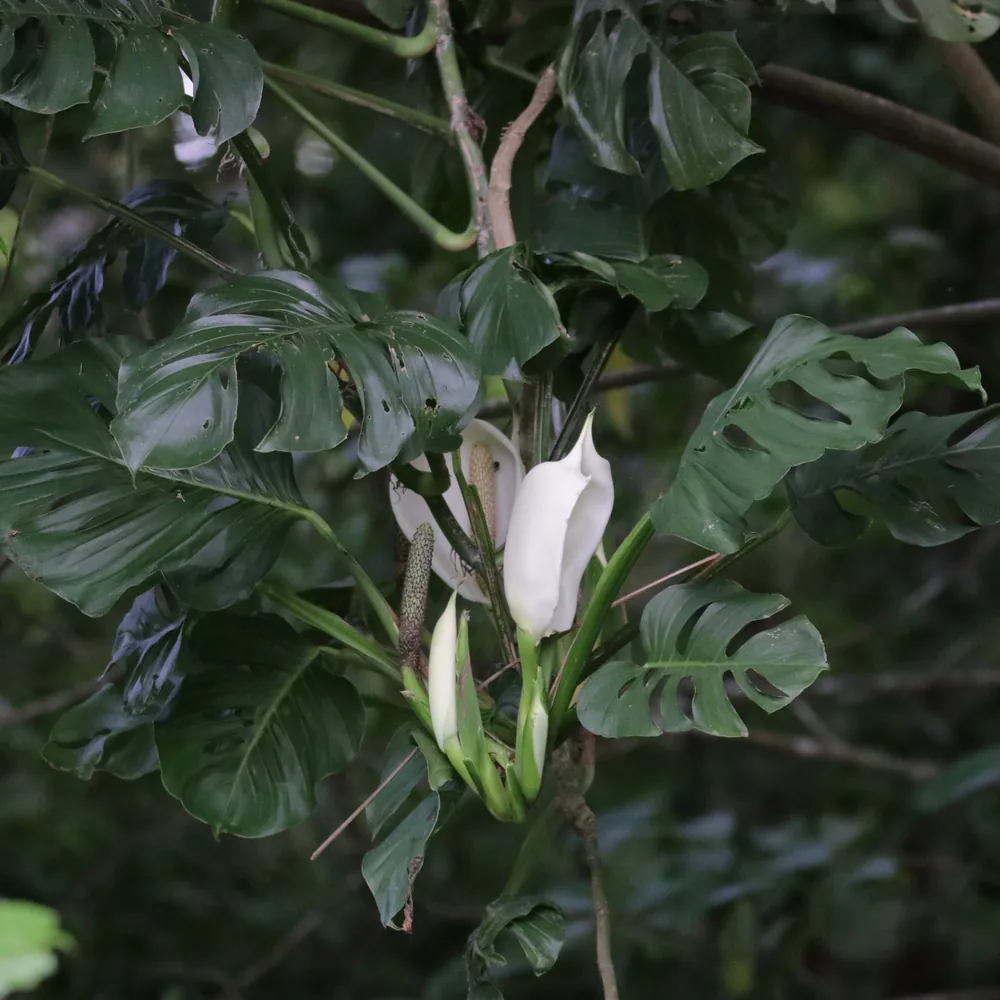
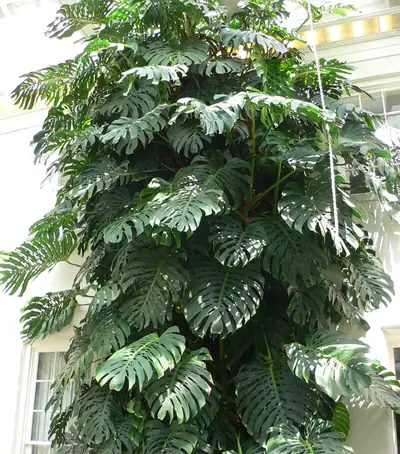
Monstera adansonii is a fast-growing rainforest vine from Central and South America that naturally scrambles up tree trunks, developing more and larger perforations in its leaves the higher it climbs toward better light, which is why the same plant can look sparse and hole-free as a small trailing specimen but riddled with fenestrations once trained onto a support.
Bright indirect light produces the best leaf fenestration; avoid direct sun.
Water
Water when the top 2-3cm of soil is dry, roughly every 1-2 weeks.
Humidity
Prefers 50-60% humidity for lush, healthy leaves.
Soil
Well-draining, chunky aroid mix with bark or perlite.
Temperature
Normal room temperatures. Keep it above 10°C.
Size
On a moss pole indoors, 0.9-2.4m tall and 30-90cm wide.
Growth speed
Fast
Best position
north / north-east-facing windowanywhere up to about 1 m from the window
east-facing windowabout 1 m from the window or further back
west-facing windowabout 2 m from the window or further back
Watch for strong direct sun at east / west windows.
See every window directionHide window directions
Best position
right by the window
about 1 m
about 2 m
about 4 m
4 m or more
north
works well✓
works well✓
too dark○
too dark○
too dark○
north-east
works well✓
works well✓
too dark○
too dark○
too dark○
east
just about~
works well✓
works well✓
too dark○
too dark○
south-east
too much direct sun☼
just about~
just about~
too dark○
too dark○
south
too much direct sun☼
too much direct sun☼
too much direct sun☼
too dark○
too dark○
south-west
too much direct sun☼
too much direct sun☼
just about~
too dark○
too dark○
west
too much direct sun☼
too much direct sun☼
works well✓
too dark○
too dark○
north-west
too much direct sun☼
just about~
too dark○
too dark○
too dark○
✓works well~just about○too dark☼too much direct sun
A rough guide based on window direction and typical daylight through the year. Window size, curtains and whatever stands outside matter just as much.
!Toxic to pets
Toxic to cats and dogs if eaten.
It can make cats and dogs unwell, so keep it out of their reach.
If your pet has eaten some, contact your vet.
Source: ASPCA, which lists Monstera deliciosa, a related species rather than this one.
Propagation tip
This vine roots extremely easily from stem cuttings taken just below a node; a cutting placed in water typically sprouts visible roots within 2-3 weeks and can then be potted into soil, making it one of the simplest aroids to share or multiply.
Care by Season
Spring
Resume feeding every 4 weeks and provide a moss pole or trellis to support climbing growth.
Summer
Water more frequently and mist to support fast summer growth.
Autumn
Reduce watering as growth slows and stop fertilizing by late autumn.
Winter
Water sparingly and keep away from cold drafts and heating vents.
Growing & Maintenance
Soil and pot
A well-draining, chunky aroid mix with bark or perlite, in a pot with drainage holes.
Fertilising
Feed every four weeks in spring and summer. Stop by late autumn.
Support
A moss pole, stake or trellis set in the pot. Climbing stems make bigger leaves with more holes.
Propagation
From stem cuttings taken just below a node, rooted in water or moist mix.
Pests & Diseases
Common problems
Few or no holes in the leaves
Most likely cause: A young plant, low light or nothing to climb.
What to do: Give it bright, indirect light and a moss pole or trellis.
Yellow leaves
Most likely cause: Overwatering.
What to do: Let the top 2-3cm of mix dry before watering and check that the pot drains.
Brown, crispy leaf edges
Most likely cause: Dry air.
What to do: Raise the humidity to 50-60% with a humidifier or pebble tray.
Scorched patches
Most likely cause: Direct sun.
What to do: Move it to bright light without direct sun.
Spots on the leaves
Most likely cause: A fungal leaf spot, encouraged by wet foliage.
What to do: Remove the affected leaves and avoid splashing the foliage when you water.
Pests & Diseases
Spider mites
Signs: Fine webbing and stippled, pale leaves.
Treatment: Increase humidity, rinse leaves, and apply insecticidal soap. Check the undersides of the leaves and the crevices where the leaf stem meets the main stalk.
Mealybugs
Signs: White cottony clumps at leaf joints and stem nodes.
Treatment: Dab with an alcohol-soaked swab, repeating weekly. Check the undersides of the leaves and the crevices where the leaf stem meets the main stalk.
Root rot
Signs: Yellowing leaves and soft, blackened roots from overwatering.
Treatment: Remove from wet soil, trim rotten roots, and repot in fresh, well-draining mix.
FAQ
Why does my Swiss Cheese Vine have few or no holes in its leaves?
Younger plants and those without something to climb often produce leaves with fewer fenestrations; giving the vine a moss pole or trellis to climb, along with bright indirect light, encourages larger, more heavily perforated leaves over time.
Should I let my Swiss Cheese Vine trail or train it to climb?
Either works, but climbing generally produces bigger, more dramatically holed leaves since the plant behaves as it would scaling a tree trunk in the wild, while trailing specimens tend to stay smaller-leaved and vine-like.
How often should I water a Swiss Cheese Vine?
Roughly every 1-2 weeks, when the top 2-3cm of mix is dry. Water sparingly in winter.
How do I propagate a Swiss Cheese Vine?
From stem cuttings. Cut just below a node and stand the cutting in water or moist mix until it roots.
How big does a Swiss Cheese Vine get?
Indoors on a moss pole it reaches 0.9-2.4m tall and 30-90cm wide. It grows fast in warmth and good light.
What temperature does a Swiss Cheese Vine need?
Normal room temperature suits it. Do not let it drop below 10°C, and keep it away from cold draughts and heating vents.